





Copper prices are climbing to multi-month highs as utility companies accelerate spending on electric grid upgrades, sending copper-focused exchange-traded funds into overdrive. The Global X Copper Miners ETF has surged 18% over the past three months, while the iShares MSCI Global Metals & Mining Producers ETF posted its strongest quarterly performance since 2021.
The rally reflects a fundamental shift in how America powers itself. From coast to coast, aging electrical infrastructure is getting a comprehensive overhaul driven by federal funding, renewable energy integration, and growing electricity demand from data centers and electric vehicle adoption.

Federal Infrastructure Spending Drives Demand
The Infrastructure Investment and Jobs Act continues pumping billions into grid modernization projects across the country. The Department of Energy has allocated over $13 billion specifically for transmission line upgrades and smart grid technologies since the legislation passed in 2021.
These projects require massive amounts of copper – the metal that forms the backbone of electrical systems. A typical transmission line uses roughly 1.5 tons of copper per mile, while distribution systems and transformers add even more demand. Industry analysts estimate that grid modernization projects will consume an additional 200,000 tons of copper annually through 2030.
“We’re seeing procurement orders that dwarf anything from the past decade,” says Maria Rodriguez, a metals analyst at Commodity Research Group. “Utilities are no longer deferring maintenance – they’re completely rebuilding sections of the grid with modern materials and capacity.”
The timing coincides with urgent infrastructure needs. The American Society of Civil Engineers estimates that 70% of transmission lines are over 25 years old, with many components dating back to the 1960s and 1970s. These aging systems struggle to handle power flows from renewable energy sources and increasingly frequent extreme weather events.
Smart Grid Technology Multiplies Metal Needs
Beyond basic wire replacement, the push toward smart grid technology is creating entirely new categories of copper demand. Advanced metering infrastructure, automated switching systems, and grid-scale energy storage all require sophisticated electrical components with high copper content.
Smart meters alone represent a significant opportunity. The Edison Electric Institute reports that utilities have installed over 100 million smart meters nationwide, but millions more upgrades are planned as older digital meters reach end-of-life. Each smart meter contains roughly two pounds of copper compared to less than half a pound in traditional analog meters.
Grid-scale battery storage projects add another layer of demand. These installations require extensive copper wiring for both AC and DC systems, plus specialized cooling and monitoring equipment. With battery storage capacity expected to triple by 2027 according to the Energy Information Administration, copper consumption from this sector alone could reach 50,000 tons annually.
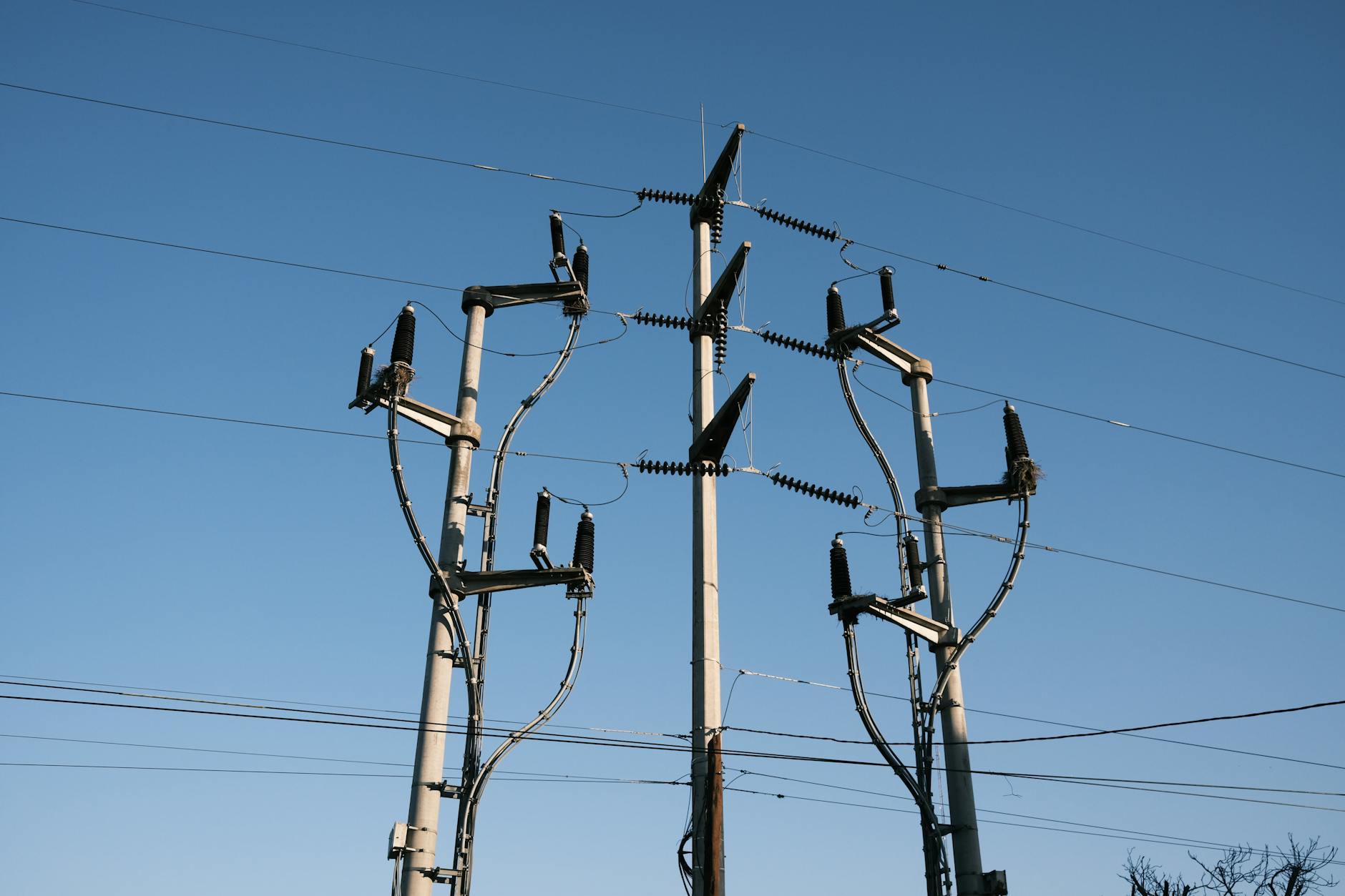
The renewable energy connection amplifies these trends. Wind and solar installations require substantially more copper per megawatt than traditional fossil fuel plants. Offshore wind projects, in particular, use massive amounts of subsea copper cables – with individual projects consuming thousands of tons of the metal.
Supply Constraints Meet Growing Demand
While demand accelerates, copper supply faces its own challenges. Major mining operations in Chile and Peru – which together account for nearly 40% of global production – have dealt with labor disputes, environmental regulations, and aging equipment. New mine development typically requires 10-15 years from discovery to production, creating a structural supply lag.
The situation has caught the attention of major institutional investors. Fidelity’s Select Materials Portfolio increased its copper exposure by 23% in the third quarter, while BlackRock’s commodities team highlighted copper as a “critical transition metal” in recent client presentations.
Exchange-traded funds focused on copper miners have become the preferred vehicle for many investors seeking exposure to this trend. The VanEck Copper Miners ETF has attracted over $300 million in new inflows this year, while the Global X Copper Miners ETF reached record assets under management.
Mining companies are responding to increased investor interest and favorable market conditions. Freeport-McMoRan recently announced expanded production targets at its Arizona operations, while Southern Copper Corporation is accelerating development timelines for projects in Mexico and Peru.
The infrastructure spending wave extends beyond utilities. Municipal governments face mounting pressure to upgrade local electrical systems, creating additional demand for copper-intensive projects at the distribution level.
Investment Opportunities and Market Outlook
For investors, the copper story represents both a cyclical play on infrastructure spending and a structural bet on America’s energy transition. Unlike previous commodity cycles driven primarily by Chinese demand or financial speculation, current copper prices reflect fundamental supply-demand imbalances in physical markets.

Several factors suggest this trend has staying power. Federal infrastructure funding extends through 2031, providing multi-year revenue visibility for utilities and contractors. State-level renewable portfolio standards create additional mandates for grid upgrades to accommodate clean energy sources.
The electric vehicle charging infrastructure buildout adds another demand driver. The Biden administration’s goal of 500,000 public charging stations by 2030 will require extensive electrical infrastructure upgrades, particularly in commercial and industrial areas where existing systems lack sufficient capacity.
International developments also support copper prices. The European Union’s Green Deal and China’s carbon neutrality commitments both emphasize grid modernization and renewable energy deployment – similar themes playing out in different markets with comparable copper requirements.
Market participants should monitor quarterly utility capital expenditure reports and federal infrastructure spending data for leading indicators of demand trends. Mining company production guidance and inventory levels at major exchanges provide supply-side insights that often move copper ETF prices in the near term.
The convergence of aging infrastructure, federal spending programs, and America’s energy transition creates a multi-year tailwind for copper demand that extends well beyond typical commodity cycles.
Frequently Asked Questions
Which copper ETFs are performing best in 2024?
Global X Copper Miners ETF leads with 18% gains, while iShares MSCI Global Metals & Mining posted its strongest quarterly performance since 2021.
How much copper do grid modernization projects require?
Industry analysts estimate grid upgrades will consume an additional 200,000 tons of copper annually through 2030, with transmission lines using 1.5 tons per mile.