




Copper prices have rocketed to their highest levels in nearly two years as artificial intelligence and cloud computing drive an unprecedented global data center construction boom. The industrial metal, essential for powering everything from server racks to cooling systems, has become the unexpected star of the commodities market as tech giants race to build the digital infrastructure needed for AI processing.
Trading floors from London to Shanghai are buzzing with copper futures activity, with March contracts jumping 8% in the past month alone. The surge reflects a fundamental shift in how investors view the red metal – no longer just a barometer of traditional manufacturing, but a critical component of the digital economy’s physical backbone.

Data Center Demand Rewrites Copper Market Dynamics
The math behind copper’s rally is staggering. A typical hyperscale data center requires between 3,000 to 5,000 tons of copper for construction – roughly equivalent to the copper content in 1,000 electric vehicles. With companies like Microsoft, Amazon, and Google announcing multi-billion dollar data center expansion plans across North America, Europe, and Asia, the cumulative copper demand is reshaping global supply calculations.
“We’re seeing copper demand patterns that would have been unimaginable five years ago,” says commodity analysts tracking the trend. Major cloud providers are reportedly securing long-term copper supply contracts, a practice typically reserved for traditional heavy industry. This institutional buying power is creating a new floor for copper prices that traditional mining supply chains are struggling to match.
The artificial intelligence boom has accelerated these construction timelines dramatically. What once took 18-24 months to build now faces compressed schedules as companies rush to deploy AI capabilities. This urgency translates directly into immediate copper procurement, creating spot market tightness that’s driving futures prices higher.
Global Construction Pipeline Creates Supply Crunch
Virginia’s data center corridor alone accounts for roughly 70% of global internet traffic, and expansion projects there are consuming copper at unprecedented rates. Northern Virginia Electric Cooperative reports that data center power demands have tripled in the past three years, requiring extensive electrical infrastructure upgrades that consume thousands of tons of additional copper annually.
Similar patterns are emerging across international markets. Ireland has become Europe’s data center hub, with Dublin area facilities requiring massive electrical grid upgrades. Singapore, despite land constraints, continues attracting hyperscale facilities that demand sophisticated cooling systems – all copper-intensive infrastructure.
The ripple effects extend beyond primary construction. Data centers require redundant power systems, backup generators, and specialized cooling infrastructure that multiplies copper usage far beyond initial estimates. Industry sources suggest actual copper consumption per facility often exceeds initial projections by 30-40% once all ancillary systems are factored in.
Mining Sector Struggles to Match Pace
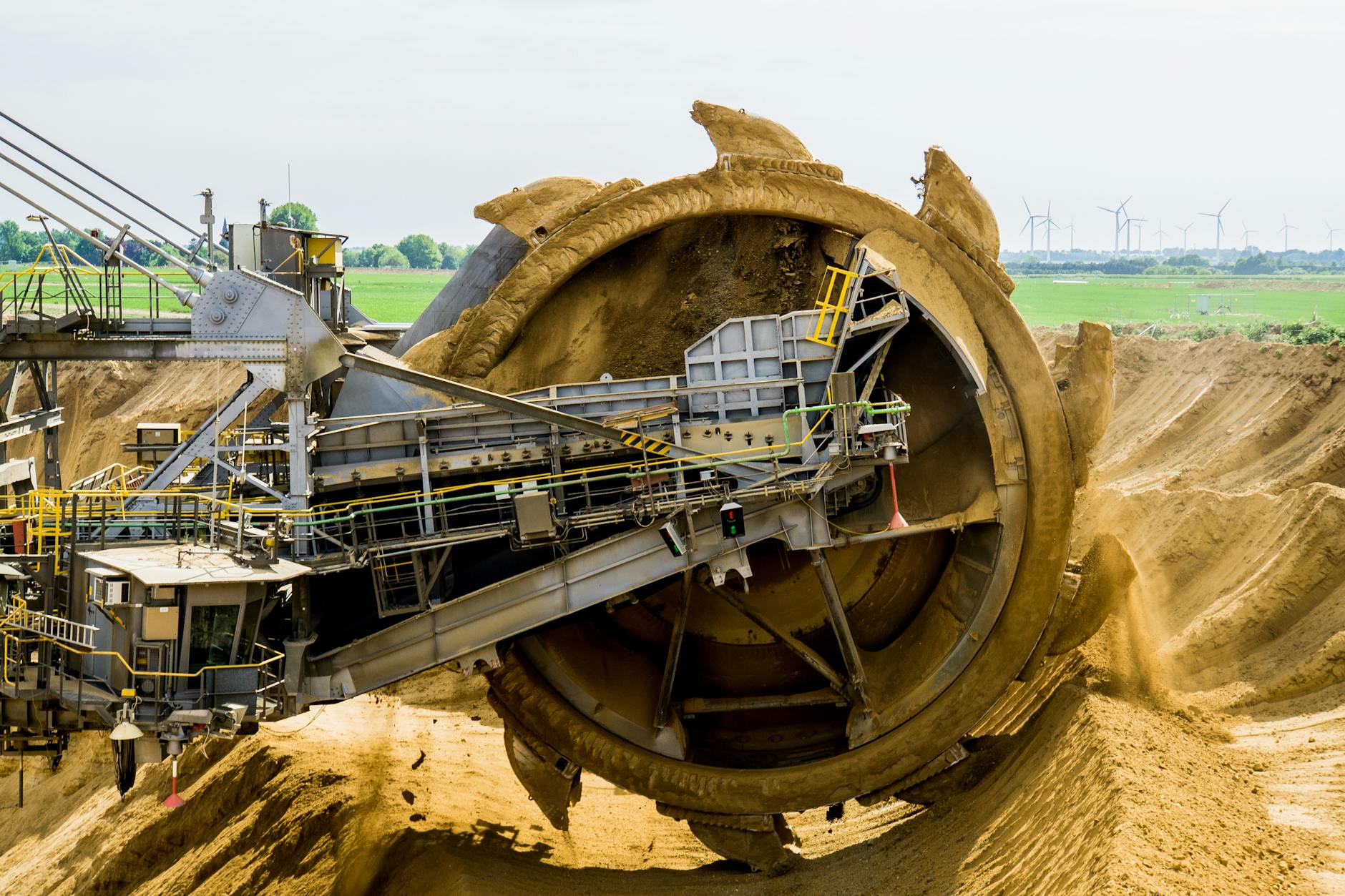
Traditional copper mining operations face a challenging reality: new mine development takes 7-10 years from discovery to production, while data center demand is accelerating on quarterly timelines. Major copper producers like Freeport-McMoRan and Southern Copper are reporting that existing operations are running at capacity, with limited ability to quickly scale production.
Chilean copper mines, which supply roughly 30% of global production, are grappling with aging infrastructure and declining ore grades. These operational constraints coincide perfectly with surging demand, creating a supply-demand imbalance that futures markets are pricing aggressively.
Recycling operations have ramped up significantly, but scrap copper supplies remain insufficient to meet the additional demand. Electronic waste recycling, while growing, provides only incremental relief to a market facing structural demand increases. The quality specifications for data center electrical systems also limit the percentage of recycled content that can be utilized.
Mining companies are responding with increased capital expenditures and accelerated development timelines, but the physical reality of copper extraction means supply responses lag demand spikes by years. This fundamental timing mismatch continues supporting higher copper prices across futures curves.
Investment Implications Beyond Commodities
The copper surge is creating investment opportunities across multiple sectors. Electrical component manufacturers, construction firms specializing in data center infrastructure, and copper recycling operations are all benefiting from sustained higher prices and robust demand visibility.
Real estate investment trusts focused on data center properties are experiencing increased construction costs but also higher tenant willingness to accept longer-term leases, creating a favorable environment similar to trends seen in healthcare REITs rallying as aging population drives facility demand.
The infrastructure investment theme extends to municipal financing, where local governments are issuing bonds to upgrade electrical grids serving data center corridors. This creates both opportunities and risks, particularly given broader concerns about municipal bond defaults rising as cities face infrastructure repair costs.
Copper futures have become a proxy for AI investment sentiment, with trading volumes increasing 40% year-over-year as institutional investors recognize the metal’s role in digital transformation. Options activity suggests many traders expect copper prices to remain elevated throughout the current construction cycle.

Long-Term Outlook Remains Bullish
Industry analysts project that current data center construction rates represent only the beginning of a multi-year buildout cycle. Artificial intelligence model training requirements continue expanding exponentially, driving demand for larger, more powerful facilities that consume proportionally more copper per unit of computing power delivered.
The geographic distribution of new construction is also expanding beyond traditional hubs, as companies seek lower costs and improved latency for global users. This geographic diversification multiplies total copper requirements as new electrical infrastructure must be built from scratch in previously undeveloped areas.
Climate considerations add another layer to copper demand, as data centers increasingly require sophisticated cooling systems and renewable energy integration – both copper-intensive technologies. The trend toward liquid cooling systems for high-performance computing applications significantly increases copper usage compared to traditional air-cooling approaches.
Market participants expect copper futures to remain supported above historical averages throughout the current technology investment cycle, with supply constraints likely persisting until new mining capacity comes online in the latter half of the decade.
Frequently Asked Questions
Why are copper prices rising so dramatically?
Data center construction for AI and cloud computing requires massive amounts of copper for electrical systems, creating unprecedented demand that exceeds mining supply capacity.
How much copper does a data center use?
A typical hyperscale data center requires 3,000 to 5,000 tons of copper for construction, equivalent to the copper content in 1,000 electric vehicles.