





Corporate treasurers are scrambling to protect their bottom lines as the dollar swings wildly against major currencies, triggering a surge in demand for sophisticated hedging instruments that many companies had previously avoided.
The greenback’s volatility has reached levels not seen since the early days of the pandemic, with daily swings against the euro and yen frequently exceeding 1%. This dramatic price action is forcing multinational corporations to dust off hedging strategies they shelved during years of relative stability, creating a boom for currency derivatives markets and specialist advisory firms.
JPMorgan Chase reports that corporate foreign exchange hedging volumes have jumped 35% compared to last year, with companies seeking protection against everything from routine supplier payments to major acquisition deals. The bank’s corporate clients are increasingly requesting complex multi-currency hedges rather than simple forward contracts, signaling a fundamental shift in risk management approaches.
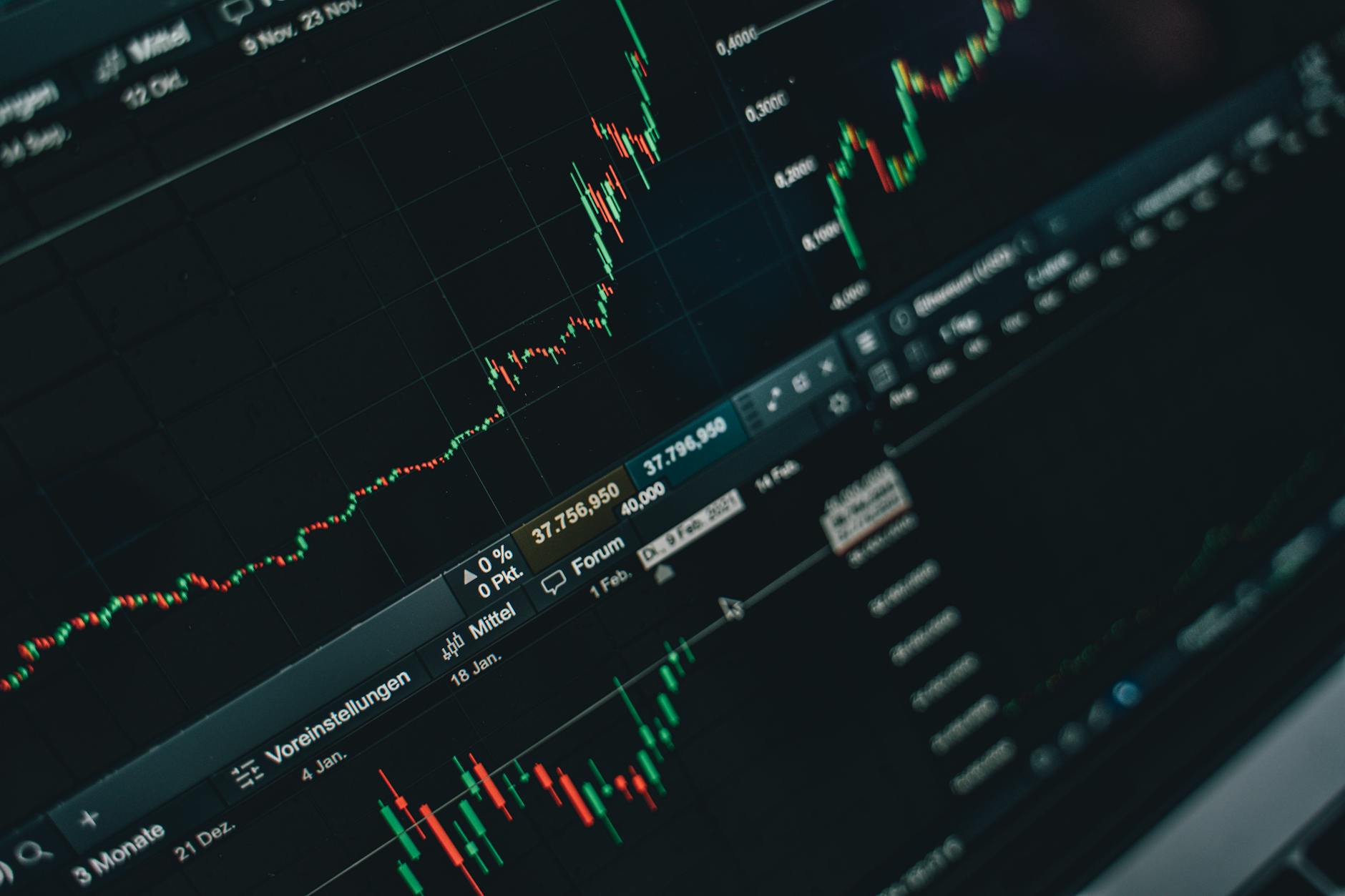
Rising Volatility Catches Companies Off Guard
The recent currency turbulence stems from diverging monetary policies among major central banks, geopolitical tensions, and shifting trade relationships. Federal Reserve policy decisions continue to drive dollar strength, while European Central Bank moves create uncertainty for euro-denominated transactions. Meanwhile, the yen’s dramatic weakening against the dollar has caught many Japan-focused businesses unprepared.
Tesla recently disclosed foreign exchange losses exceeding $100 million in its latest quarterly filing, highlighting how even tech giants struggle with currency swings. The automaker’s Shanghai factory generates revenue in yuan while reporting in dollars, creating natural exposure that traditional hedging couldn’t fully address.
Small and medium-sized exporters face even greater challenges. Many lack the resources for sophisticated treasury operations, leaving them vulnerable to sudden currency moves that can erase months of operational profits overnight. A textile manufacturer in North Carolina recently saw a $2 million order’s profitability vanish when the euro dropped 3% between contract signing and payment collection.
Currency specialists note that companies often underestimate their total exposure, focusing only on obvious transaction risks while ignoring translation effects on foreign subsidiaries or competitive impacts when rivals operate in different currency zones.
New Hedging Tools Gain Corporate Adoption
Traditional forward contracts and options remain popular, but corporations are increasingly exploring more sophisticated instruments. Zero-cost collars, which combine put and call options to create protection ranges, have seen adoption rates double among mid-market companies seeking budget-neutral hedging solutions.
Dynamic hedging programs are gaining traction among larger corporations. These strategies automatically adjust hedge ratios based on market volatility, currency correlations, and predetermined risk thresholds. Goldman Sachs estimates that over 40% of Fortune 500 companies now employ some form of algorithmic currency hedging, compared to just 15% three years ago.
Cross-currency swaps have emerged as powerful tools for companies with natural offsets between different markets. A pharmaceutical company might swap euro receipts from European sales against yen payments to Japanese suppliers, reducing overall hedging costs while maintaining protection.

Some firms are experimenting with cryptocurrency hedging, though adoption remains limited. A handful of technology companies have used bitcoin futures to hedge dollar exposure, viewing digital assets as potential safe havens during extreme volatility periods. However, regulatory uncertainty and crypto’s own volatility make this approach suitable only for the most risk-tolerant organizations.
The complexity of modern hedging strategies has created opportunities for fintech companies offering automated solutions. Platforms like Kantox and Corpay provide small businesses with enterprise-grade hedging tools, democratizing access to sophisticated currency risk management.
Cost Considerations Drive Strategy Shifts
Rising hedging costs are forcing companies to reconsider their risk tolerance and protection levels. Option premiums have increased substantially as implied volatility remains elevated, making comprehensive hedging programs expensive to maintain.
Many corporations are adopting selective hedging approaches, protecting only their most critical exposures rather than comprehensive coverage. A manufacturing company might hedge 80% of its six-month euro exposure but leave longer-term positions unprotected, accepting greater risk in exchange for lower upfront costs.
Natural hedging strategies are gaining renewed attention as companies seek to reduce reliance on derivatives markets. Businesses are adjusting sourcing patterns, moving production closer to end markets, or negotiating currency-neutral contracts that share exchange rate risk with counterparties.
The shift toward ESG-focused investing has created additional complexity, as companies must balance currency protection with sustainability goals. Corporate bond market dynamics increasingly favor ESG-compliant strategies, influencing how firms structure their overall financial risk management programs.
Treasury departments are also reassessing their hedging horizons. While traditional approaches focused on near-term transaction risks, current volatility is pushing companies to consider longer-term strategic hedges that protect against sustained currency trends rather than just short-term fluctuations.
Technology Transforms Currency Risk Management
Advanced analytics and machine learning are revolutionizing how companies approach currency hedging. Real-time risk monitoring systems can now track exposures across global operations, automatically flagging when predetermined risk thresholds are breached.

Artificial intelligence tools help treasury teams optimize hedge timing and sizing, analyzing vast datasets of market conditions, economic indicators, and company-specific factors. These systems can identify patterns human analysts might miss, potentially improving hedging effectiveness while reducing costs.
Cloud-based treasury management systems are democratizing access to sophisticated risk analytics. Companies that previously relied on basic spreadsheets can now access institutional-grade forecasting models and scenario analysis tools, leveling the playing field between large corporations and smaller competitors.
As currency volatility shows no signs of abating, companies that master these new hedging approaches will likely gain competitive advantages over those that remain exposed to exchange rate fluctuations. The integration of technology, evolving market instruments, and strategic thinking around currency risk management represents a fundamental shift in corporate finance practices that will shape business operations for years to come.
Frequently Asked Questions
What are the most popular currency hedging strategies for corporations?
Forward contracts, options, zero-cost collars, and cross-currency swaps are the most widely used corporate hedging instruments.
How much do currency hedging strategies typically cost?
Costs vary widely based on volatility and instruments used, from minimal fees for forwards to several percentage points for comprehensive options coverage.