




Defense contractor stocks are surging to new heights as nations worldwide ramp up military expenditures amid escalating geopolitical tensions and modernization efforts. The sector has become one of the market’s strongest performers, with major players posting double-digit gains as governments prioritize national security spending over fiscal restraint.
Global military budgets reached record levels this year, driven by conflicts in Eastern Europe, rising tensions in the Pacific, and the ongoing need to modernize aging defense infrastructure. This spending boom has translated directly into robust order books and expanding margins for defense contractors, creating what many analysts describe as a multi-year growth cycle for the industry.
Major Defense Contractors Lead Market Rally
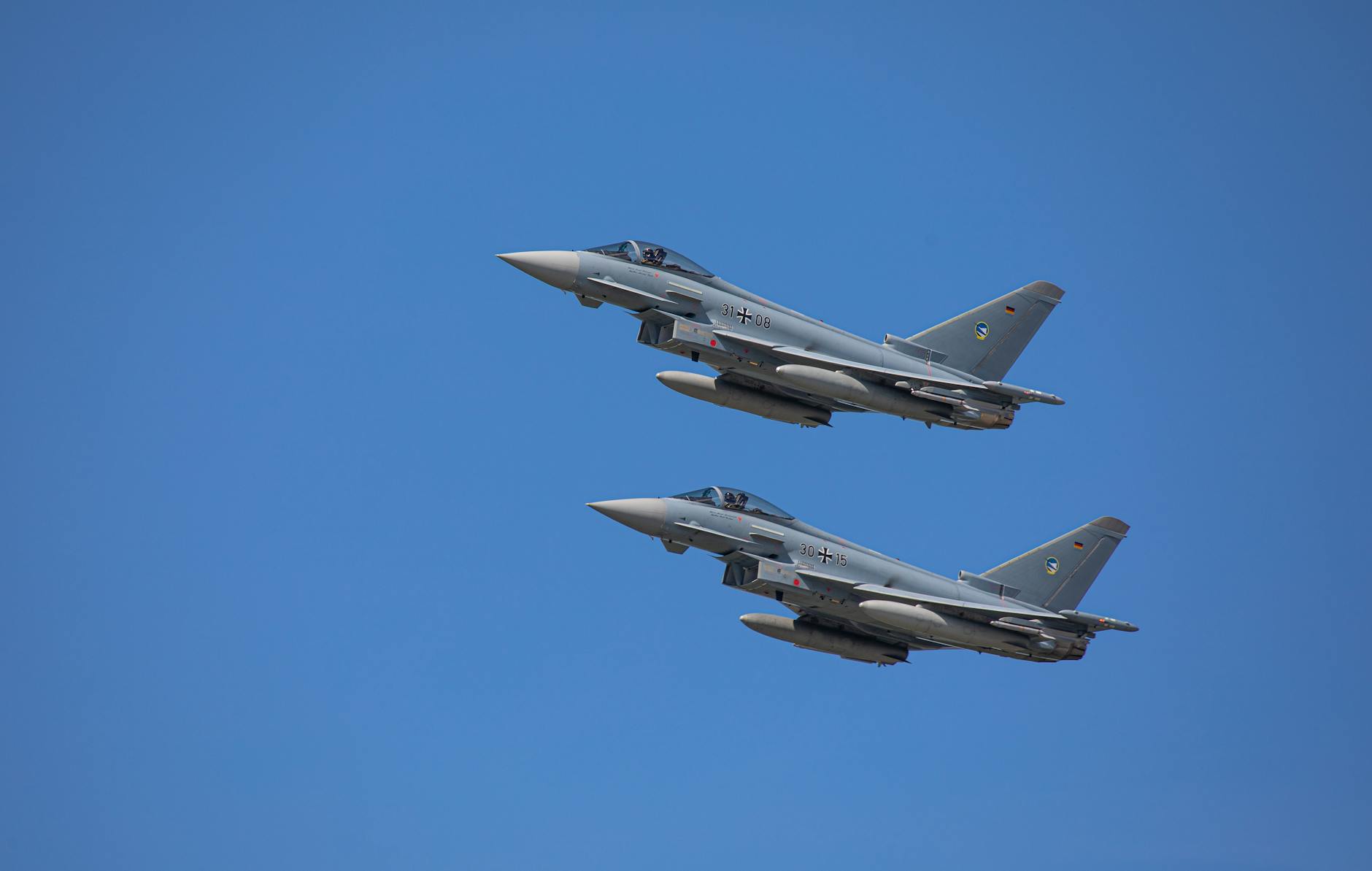
Lockheed Martin has emerged as a standout performer, with shares climbing steadily as the company secures major contracts for advanced missile systems and next-generation fighter aircraft. The defense giant recently reported its strongest quarterly earnings in five years, citing increased demand for precision-guided munitions and air defense systems.
Raytheon Technologies has similarly benefited from the global security environment, with its missile and defense division posting impressive revenue growth. The company’s Patriot air defense systems have seen unprecedented international demand, with multiple countries placing orders worth billions of dollars. European allies, in particular, have accelerated procurement timelines for advanced defense systems.
Boeing’s defense division has also contributed to the rally, despite challenges in its commercial aircraft business. The company’s military aircraft programs, including the KC-46 tanker and F/A-18 Super Hornet, continue to generate steady revenue streams. Recent international sales have provided additional momentum, with several NATO allies expanding their military aircraft fleets.
General Dynamics has captured investor attention through its ground systems and naval programs. The company’s Abrams tank upgrade programs and submarine construction contracts represent long-term revenue commitments that extend well into the next decade. These multi-year programs provide stability and predictable cash flows that investors particularly value in uncertain economic times.
International Demand Drives Growth
The surge in defense spending extends far beyond traditional military powers. Middle Eastern nations have significantly increased defense procurement, focusing on advanced air defense systems and maritime security capabilities. This regional arms buildup has created substantial opportunities for U.S. and European defense contractors.
Asian markets represent another major growth driver, with countries throughout the region modernizing their military capabilities. Naval systems have seen particularly strong demand, as nations seek to enhance their maritime defense capabilities. This trend has benefited companies specializing in radar systems, naval combat systems, and underwater warfare technologies.
European defense spending has experienced its most dramatic increase in decades, reversing years of budget cuts following recent geopolitical developments. NATO member countries are working to meet defense spending commitments, creating sustained demand for military equipment and services. This European rearmament effort has opened significant market opportunities for both domestic and international defense contractors.

The cybersecurity and space defense sectors have emerged as particularly high-growth areas within the broader defense industry. Companies providing satellite technologies, cyber warfare capabilities, and electronic warfare systems are experiencing unprecedented demand. These technologies represent the future of modern warfare, and defense contractors are investing heavily to capture market share.
Supply Chain Advantages Create Competitive Moats
Defense contractors benefit from unique competitive advantages that extend beyond typical industrial companies. Security clearances, specialized manufacturing capabilities, and long-term government relationships create significant barriers to entry. These factors help established players maintain pricing power and market position even during economic downturns.
The complexity of modern weapons systems requires extensive research and development investments that only the largest contractors can sustain. This technological sophistication creates natural monopolies in many defense subsectors, allowing companies to command premium pricing for their products and services.
Government procurement processes also favor established contractors with proven track records and existing security clearances. These relationships, built over decades, provide stability and predictability that distinguishes defense stocks from more cyclical industrial investments. Unlike sectors affected by supply chain disruptions, defense contractors often maintain dedicated production lines and strategic stockpiles.
Export licenses and international trade agreements further strengthen the competitive positions of major defense contractors. Companies with established export capabilities can access global markets more easily than new entrants, expanding their addressable market beyond domestic defense budgets.
Long-Term Contracts Provide Revenue Visibility
Defense contracting operates on fundamentally different timelines than most industries. Major weapons programs typically span multiple years or even decades, providing contractors with exceptional revenue visibility. This long-term contract structure helps insulate defense companies from short-term economic volatility.
Multi-year appropriations and continuing resolutions ensure steady funding streams even during periods of political uncertainty. Defense contractors often maintain robust order backlogs that extend several years into the future, providing investors with confidence in future cash flows and earnings growth.
The maintenance and support aspects of defense contracts create recurring revenue streams that persist long after initial equipment delivery. These service contracts often generate higher margins than manufacturing and provide stable income throughout equipment lifecycles.

Modernization cycles in defense technology create predictable replacement demand for aging systems. As military equipment reaches the end of its service life, replacement programs generate new contract opportunities. This cyclical nature of defense procurement provides ongoing business opportunities for established contractors.
Looking Ahead: Sustained Growth Trajectory
The defense industry outlook remains exceptionally positive as global security concerns show no signs of abating. Intelligence assessments suggest that current geopolitical tensions will persist for years, maintaining pressure on governments to prioritize defense spending. This environment creates a favorable backdrop for continued defense contractor outperformance.
Technological advancement requirements will drive additional spending as militaries worldwide seek to incorporate artificial intelligence, autonomous systems, and advanced communications technologies into their operations. These next-generation capabilities represent entirely new market categories with substantial growth potential.
The defense industry’s transformation extends beyond traditional weapons systems to encompass space-based assets, cyber capabilities, and electronic warfare systems. This diversification creates multiple avenues for growth while reducing dependence on any single product category or customer base.
Investors should expect continued strength in defense contractor stocks as the sector benefits from both cyclical and structural growth drivers. The combination of increased global spending, technological advancement requirements, and favorable competitive dynamics positions defense contractors for sustained outperformance in the coming years.
Frequently Asked Questions
Why are defense contractor stocks performing so well?
Global military spending has reached record levels due to geopolitical tensions and modernization needs, driving strong demand for defense products and services.
Which defense contractors are leading the market rally?
Lockheed Martin, Raytheon Technologies, Boeing’s defense division, and General Dynamics are among the top performers benefiting from increased military spending.