



When the Price Drops, the Damage Is Already Done
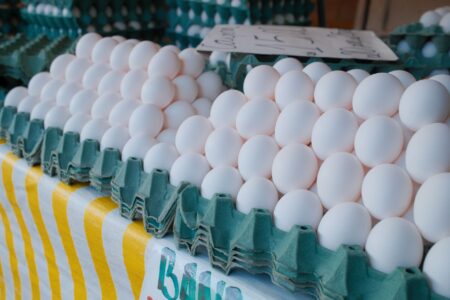
Egg prices shot up to record levels earlier this year, driven by a wave of avian influenza outbreaks that wiped out tens of millions of egg-laying hens across commercial flocks. At their peak, a dozen large eggs in some U.S. markets topped $7 or $8 – a price point that landed like a gut punch for households already stretched by years of grocery inflation. The surge became a household grievance, a political talking point, and a symbol of everything that felt broken about the food supply chain.
Now the prices are retreating. Wholesale egg costs have dropped sharply from their highs, and retail shelves that once showed limit signs are fully stocked again. But the grocery industry is discovering something uncomfortable: price relief does not automatically restore the trust that price shock destroys. Shoppers who changed their habits during the crisis have not all come back, and the resentment that built up during months of elevated costs is proving stickier than the inflation itself.
How the Crisis Unfolded
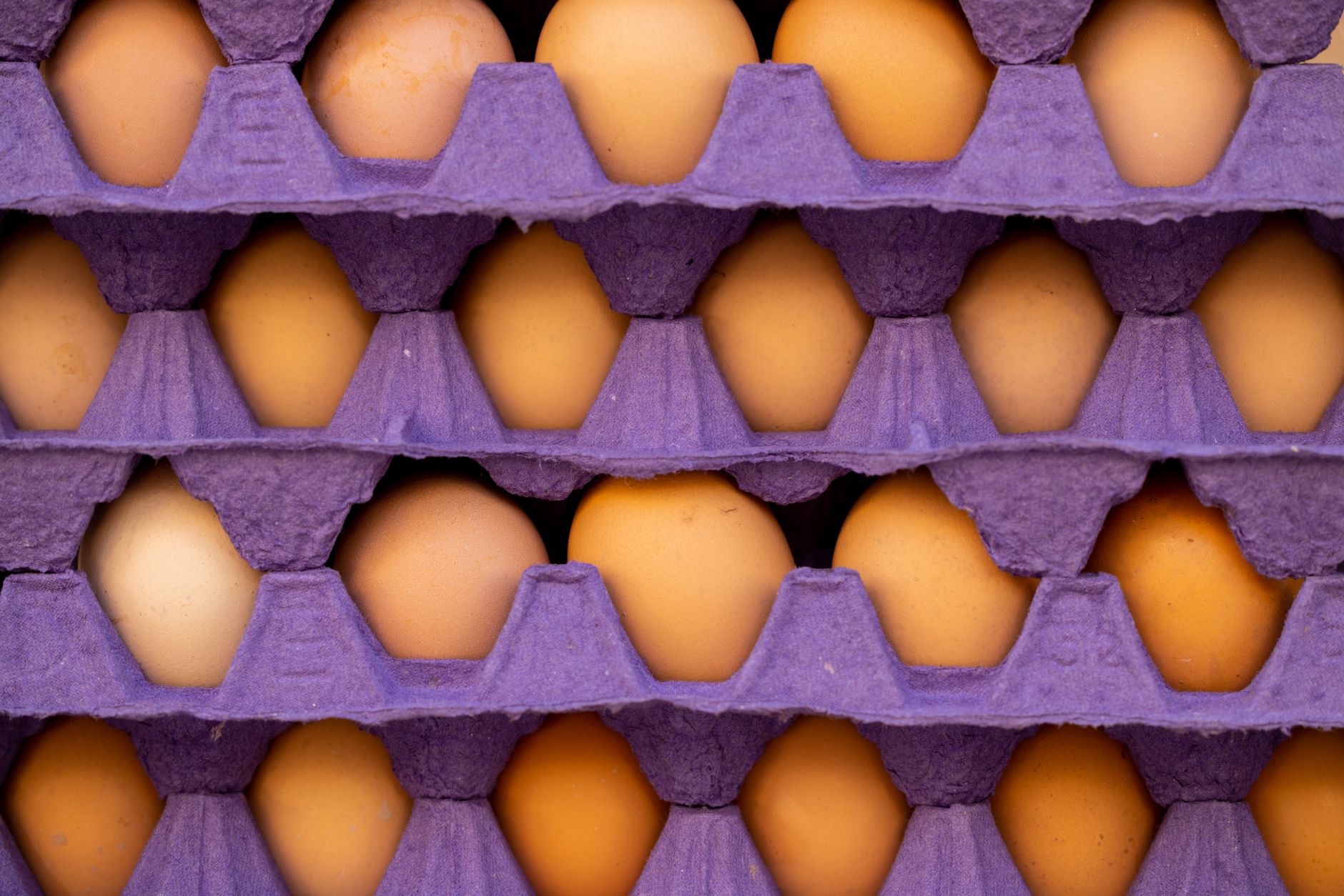
The avian flu strain that swept through U.S. poultry operations was unusually aggressive and widespread. Commercial egg producers operate at massive scale, which means a single confirmed case typically requires culling an entire flock – sometimes millions of birds at one facility. When outbreaks hit multiple states simultaneously, the supply shock hit retail almost immediately. Unlike other food shortages where consumers can wait out a temporary gap, eggs have no obvious everyday substitute for households that use them constantly.
The price volatility exposed how concentrated the commercial egg supply chain actually is. A relatively small number of large producers account for the majority of U.S. shell egg output, which means disruption at the top of the supply chain ripples down to every grocery aisle in the country. Smaller regional farms that operate outside the industrial model saw a surge of interest during the shortage, and some converted new customers permanently – customers who learned, under pressure, that alternatives to supermarket eggs existed.
Grocery Trust Is a Fragile and Slow-Rebuilding Thing
There is a well-documented pattern in consumer behavior where price spikes, even temporary ones, change shopping habits in ways that outlast the original cause. Shoppers who switched to powdered eggs, reduced their egg consumption, or started buying from local farms during the shortage did not simply revert when prices fell. Some stayed with their new habits because the experience forced them to discover options they had never bothered to explore before.
The bigger problem for mainstream grocery retailers is that the egg crisis arrived on top of three years of broad grocery inflation that had already eroded goodwill. Shoppers were not approaching this spike with a clean slate – they were coming to it already suspicious that grocery pricing was less tied to actual costs and more tied to whatever the market would bear. That suspicion, once planted, is very hard to dislodge with a price tag rollback.
Store loyalty data tracked by retail analytics firms shows that the consumers most likely to switch grocery stores during an inflationary period are middle-income households – the same demographic that anchors grocery chain revenues. These shoppers tend to have enough flexibility to try alternatives like discount grocers, warehouse clubs, or direct farm purchases, but enough routine in their lives that they can be won back if a retailer makes a compelling case. Right now, the case being made is mostly just “the eggs are cheaper again,” which is not a particularly strong retention pitch.
What would actually rebuild trust is harder and slower than adjusting a price sticker. Transparent communication about why prices rose, how the retailer managed the crisis, and what investments are being made to prevent future supply disruptions – that kind of narrative takes effort and sustained commitment. Most grocery chains have not led with that story. The default response has been to let the lower price speak for itself and hope that grocery memory is short. In some categories, that works. After a crisis that touched the most fundamental item in the American kitchen, it may not be enough.
Producers Are Still Operating in a Fragile Environment
Even as retail prices soften, egg producers are not operating with confidence. The avian flu risk has not been eliminated – it has simply receded for now. Flocks that were culled are being rebuilt, but the timeline for full recovery in laying hen populations is measured in months, and another outbreak would reset that clock immediately. The industry is investing in biosecurity upgrades, but there is no vaccine widely deployed at commercial scale that neutralizes the risk entirely.
This fragility means the price recovery consumers are seeing is not a return to stability so much as a pause. If another major flu wave hits during peak demand periods – the holidays, spring baking season – the market could spike again quickly. Consumers who feel relief right now may find themselves back in the same frustrating position within a year, which would do further damage to already strained trust in both producers and retailers.
The Longer Shift in How People Buy Eggs
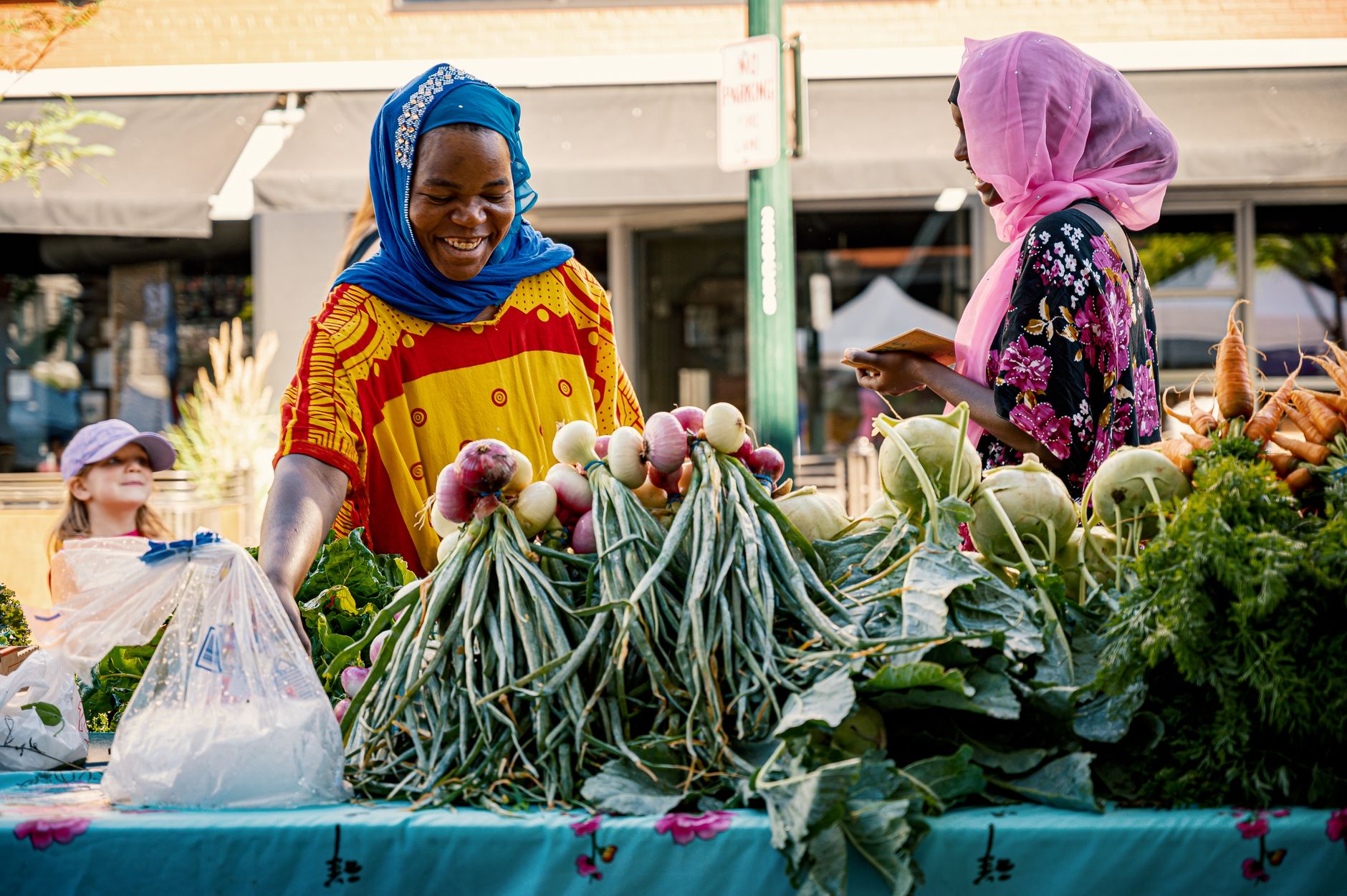
One concrete consequence of the crisis is a visible uptick in local and regional egg purchasing. Farmers markets in major metro areas reported sustained demand increases during the shortage, and many small producers converted first-time buyers into regular customers. That shift costs industrial producers and large retailers real revenue – not a dramatic amount in the aggregate, but enough to register as a trend worth watching.
Backyard chicken keeping also surged in popularity during the shortage, particularly in suburban and exurban areas where municipal codes permit it. Feed stores reported inventory pressure on starter flocks and supplies. Many of those households will maintain small flocks indefinitely, permanently removing themselves from the commercial egg market for at least a portion of their consumption. It is a small behavioral shift on an individual level, but multiplied across enough households it adds up to a structural reduction in captive demand for commercial eggs.
The egg aisle looks normal again. The prices are moving in the right direction. But the consumer who spent three months paying $7 for a dozen eggs, or hunting through empty shelves, or switching to a farmer’s market vendor – that consumer made a mental note. They learned that the system they relied on could fail them, and that alternatives existed. Grocery chains that assume dropping prices closes that chapter are misreading what the crisis actually taught their customers.
Frequently Asked Questions
Why did egg prices surge so high in 2024 and 2025?
A widespread avian influenza outbreak forced mass culling of commercial laying hen flocks, sharply reducing egg supply while demand remained constant.
Are egg prices back to normal now?
Retail prices have dropped significantly from their peak, but full supply stability depends on whether another avian flu wave hits before flocks fully recover.