





Egg Prices Stay Elevated Even as Avian Flu Pressures Ease
Grocery shoppers hoping for relief at the egg aisle are still waiting. Despite a notable slowdown in new avian flu outbreaks across commercial poultry flocks, retail egg prices remain far above historical averages – and the reasons why go well beyond bird flu. The price spike that began in earnest during the 2022-2023 outbreak cycle has proven far stickier than most observers anticipated, and the supply chain dynamics keeping prices high are worth understanding in detail.
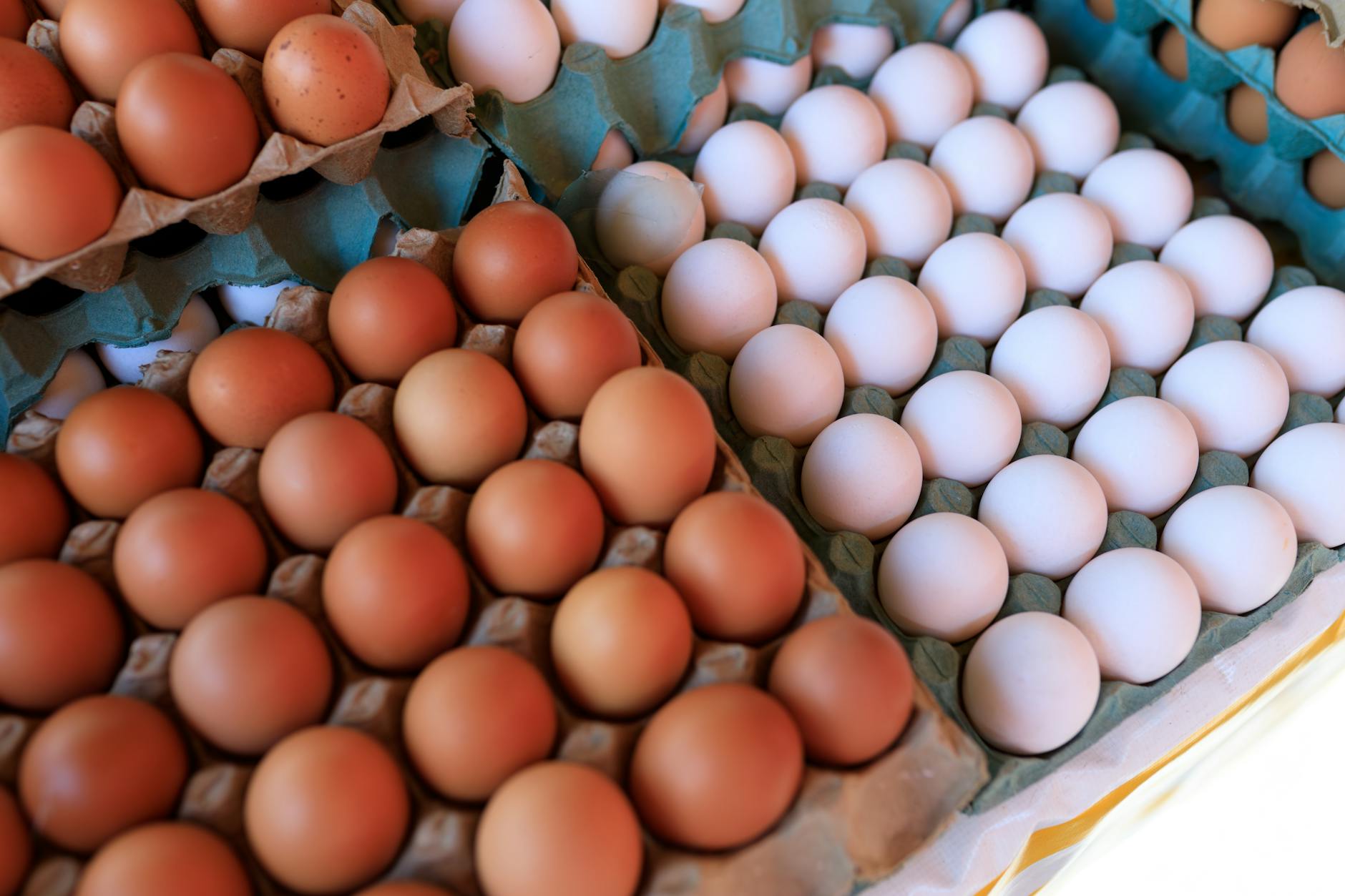
At the peak of the crisis, a dozen large Grade A eggs in some U.S. markets crossed $7 and $8 – numbers that would have seemed absurd five years ago. While prices have retreated from those extremes in select regions, the national average remains significantly elevated compared to pre-outbreak baselines. The easing of avian flu pressure has not translated into the swift price correction many consumers were expecting.
Why the Flu Slowdown Has Not Fixed Prices
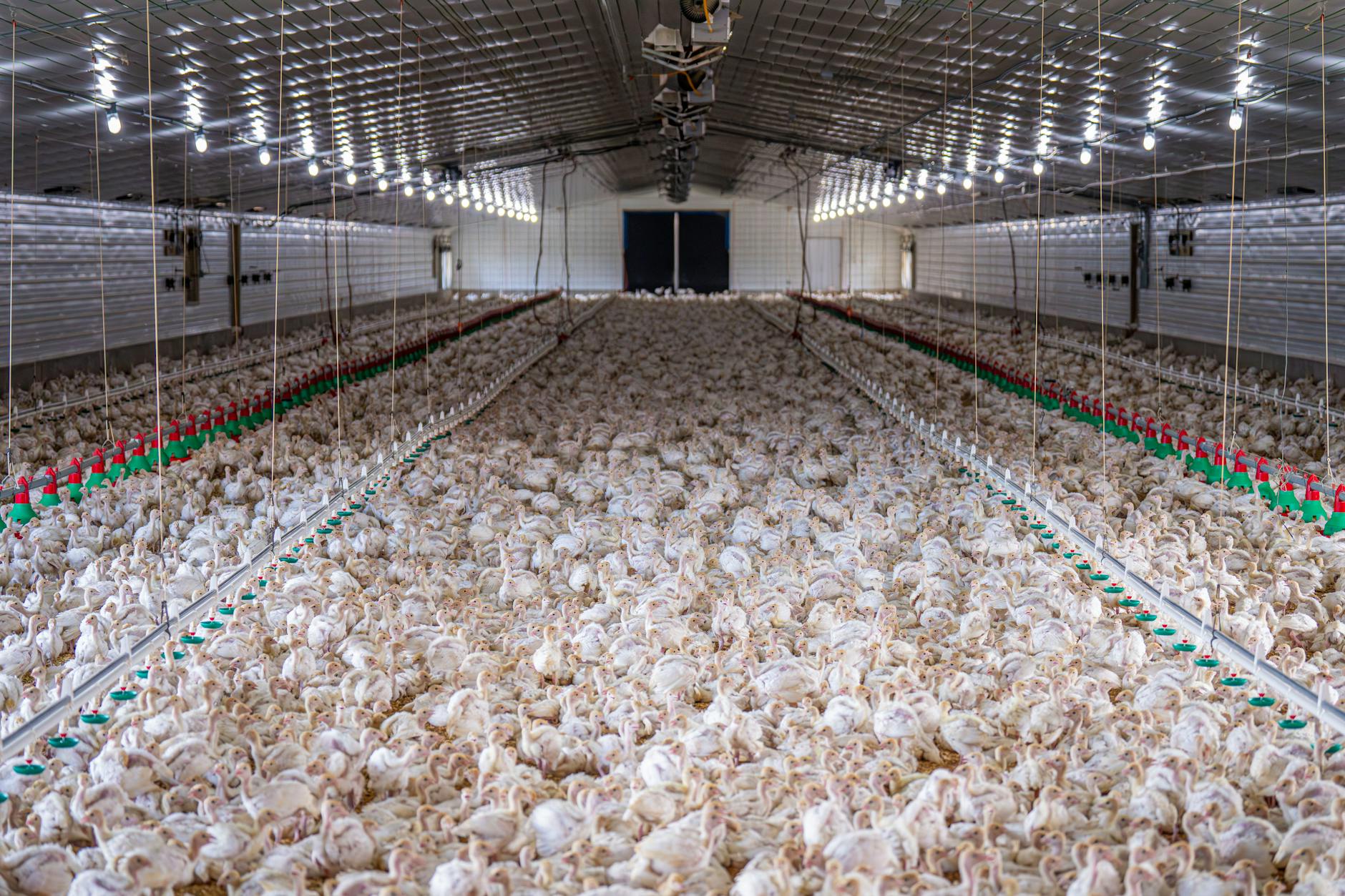
The avian flu narrative gave consumers a clear cause-and-effect story: fewer infected flocks should mean more eggs, which should mean lower prices. The logic is sound in theory, but agricultural supply chains do not reset overnight. When a commercial flock is destroyed due to a confirmed outbreak, the replacement process takes months. Hens must be sourced, raised to laying age – typically around 18 to 20 weeks – and integrated into production facilities that themselves may require deep cleaning and certification before restocking. Each step adds time, and time adds cost.
The U.S. lost tens of millions of egg-laying hens across multiple outbreak waves, and while the flock rebuild is underway, total laying capacity has not fully recovered. Production volumes are climbing, but the gap between current output and pre-outbreak norms remains wide enough to sustain price pressure at the retail level. Distributors and retailers who absorbed losses during the shortage period are also in no particular rush to sacrifice margins now that some breathing room has returned.
Structural Cost Pressures That Predated the Outbreak
Avian flu accelerated a price story that was already developing before the first major outbreak wave. Feed costs – primarily corn and soybean meal – rose sharply through 2021 and 2022 as global grain markets tightened. Energy prices climbed. Labor costs at processing and distribution facilities increased. These underlying inputs did not disappear when bird flu headlines faded, and they continue to set a higher floor for what egg production actually costs.
The cage-free transition adds another layer of complexity. California’s Proposition 12, which took full effect for shell eggs in 2023, requires that all eggs sold in the state come from hens with specified minimum space allotments. Because California represents a massive share of national egg consumption, producers serving that market have had to invest in facility upgrades – costs that ripple through pricing even for consumers in states with no such requirement, simply because of how national distribution networks operate.
Packaging, transportation, and cold-chain logistics costs also remain elevated relative to pre-2021 norms. Diesel prices, while off their peaks, are still a meaningful variable for a product that moves from rural production facilities to urban distribution hubs to individual store locations – a multi-leg journey that happens daily, at scale, across thousands of retail accounts. Every leg of that journey costs more than it did four years ago.
There is also a behavioral dynamic playing out on the retail side. Eggs had historically been treated as a loss-leader category – a product sold near or below cost to drive store traffic. That practice largely collapsed during the shortage period, and grocery chains discovered that consumers would pay elevated prices without abandoning the category. That discovery tends to slow the velocity of price reductions even when wholesale costs begin to moderate. Across food retail more broadly, labor and input cost increases have given operators cover to sustain higher prices once consumers have adjusted to a new baseline.
What the Wholesale Market Is Showing
Wholesale egg prices – tracked through benchmarks like the Urner Barry Midwest Large benchmark – have shown more volatility than retail prices, which tend to lag and smooth out the swings. Wholesale markets did see a meaningful pullback from crisis-era peaks, which gave some analysts reason to predict retail relief was coming. The expected pass-through, however, has been slow and uneven.
The wholesale-to-retail price gap widened notably during the shortage and has not fully compressed back to its historical range. This spread represents margin that is sitting somewhere between the farm, the packer, the distributor, and the retailer – and each party in that chain has a structural incentive to hold it rather than pass it to the consumer. That is not a conspiracy; it is how commodity markets normalize after supply shocks.
The Consumer Behavior Angle
Eggs, unlike many grocery categories, have no direct substitute. Consumers can eat less beef when prices spike. They can buy store-brand cereal or skip the premium yogurt. But eggs occupy a unique nutritional and culinary role that makes demand relatively inelastic – people still need them for breakfast, for baking, for protein on a budget. That inelasticity is well understood by everyone in the supply chain, and it limits the urgency to compete aggressively on price.
Some shoppers have migrated toward store-brand and value-tier egg options, and buying clubs like Costco have seen sustained demand for bulk egg purchases as consumers look for per-unit savings. But at the category level, unit volumes have remained stable enough that producers and retailers are not under the kind of demand pressure that forces rapid price concessions.
What to Watch in the Months Ahead
The rebuilding of laying hen flocks is the most direct variable to track. As replacement flocks mature and reach peak production, total egg supply should increase – and sustained oversupply is historically the fastest route to meaningful retail price relief. However, another outbreak wave during the fall migratory bird season – which has historically coincided with elevated flu transmission risk – could interrupt that recovery before it is fully established.
Input costs are the second major variable. If corn and soybean prices stabilize or decline, and if energy costs remain manageable, the floor for egg production cost could ease enough to allow competitive pricing to reassert itself. Neither outcome is guaranteed given current agricultural market conditions and ongoing weather disruptions in key growing regions.
The third factor is regulatory. Additional states are considering cage-free mandates similar to California’s, and federal welfare standards for egg production remain a topic of active discussion. Any new compliance requirements placed on producers would add costs that get priced into the product – potentially offsetting any savings from improved flock recovery. Producers who just spent on California compliance are now watching state legislatures across the country for the next round.
Frequently Asked Questions
Why are egg prices still high if avian flu is slowing down?
Flock rebuilds take months, and structural costs like feed, labor, and cage-free compliance remain elevated, keeping prices above pre-outbreak levels.
Will egg prices go back to normal in 2024 or 2025?
A full recovery depends on flock rebuilding timelines, input cost trends, and whether another avian flu wave disrupts supply – none of which are certain.