





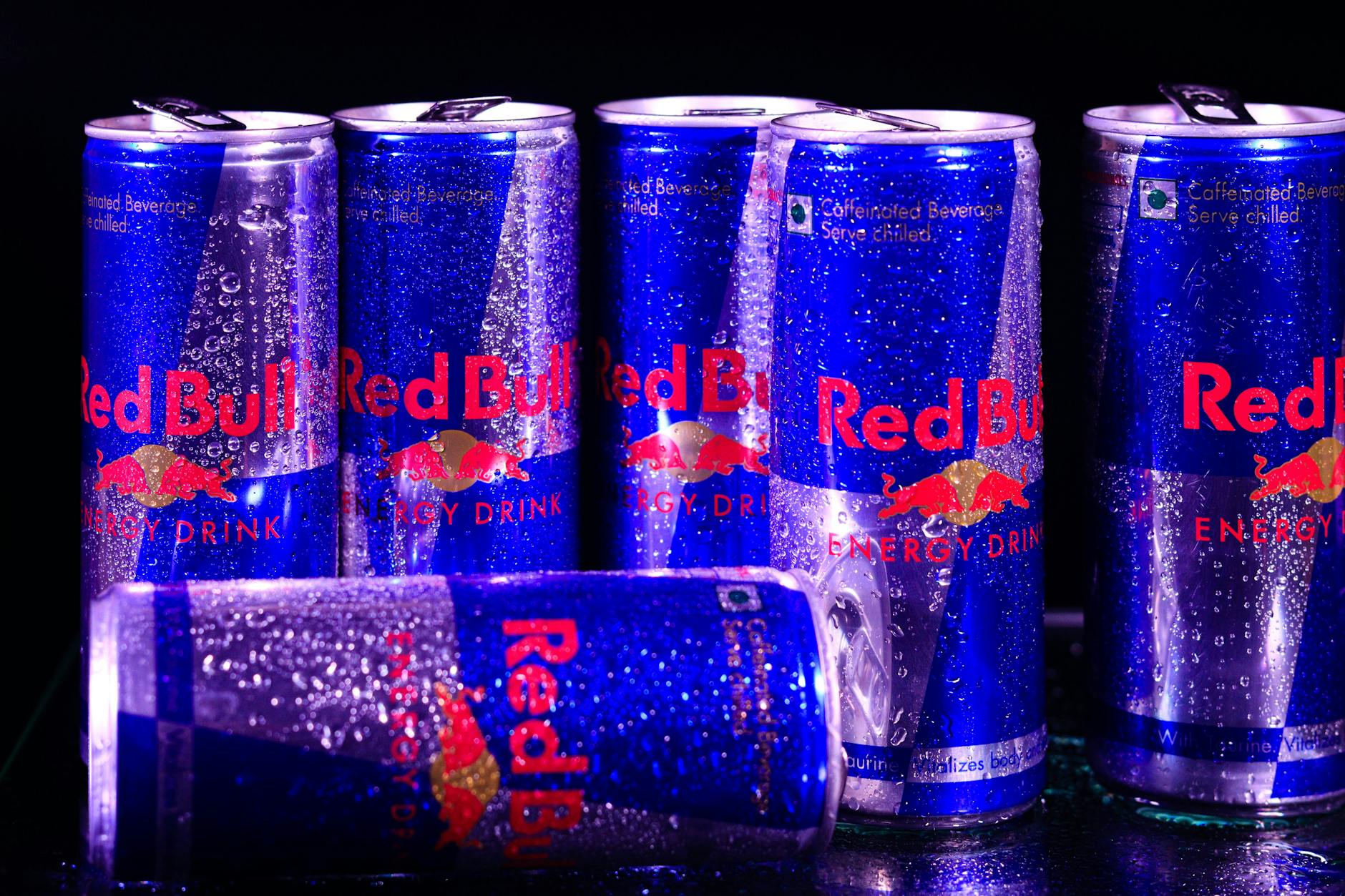
Energy drink giants brace for the biggest regulatory shift in over a decade as the FDA prepares to implement comprehensive caffeine content restrictions that could reshape a $19 billion industry. The new rules, expected to take effect in early 2024, will require significant reformulations and could trigger the most volatile period in energy drink stock performance since the sector’s emergence.
Monster Beverage Corporation, Red Bull, and dozens of smaller players now face mandatory caps on caffeine levels, stricter labeling requirements, and enhanced warning protocols. Industry analysts predict the regulations will force companies to choose between costly product reformulations or accepting reduced market share as retailers potentially limit shelf space for non-compliant products.
The regulatory pressure comes after mounting concerns over emergency room visits linked to high-caffeine beverages, particularly among teens and young adults. FDA Commissioner Robert Califf cited “compelling evidence” that current caffeine levels in some energy drinks pose unnecessary health risks, especially when combined with alcohol or consumed by individuals with underlying heart conditions.
Stock Market Reactions Signal Investor Uncertainty
Monster Beverage shares dropped 8% in pre-market trading following the FDA’s preliminary announcement, while Red Bull’s parent company Austria-based Red Bull GmbH saw its stock price fluctuate wildly across European exchanges. The volatility reflects broader uncertainty about compliance costs and potential market share redistribution.
“We’re seeing classic defensive positioning as investors try to gauge which companies are best positioned to absorb reformulation costs,” says Sarah Chen, beverage industry analyst at Goldman Sachs. “The companies with the strongest balance sheets and most diversified product portfolios will likely emerge stronger.”
Celsius Holdings, which has positioned itself as a “cleaner” energy drink alternative, saw shares surge 12% as investors viewed the company’s lower-caffeine formulations as potentially advantageous under the new regulatory framework. The stock movement demonstrates how volatility trading strategies gain popularity among retail investors looking to capitalize on regulatory-driven market shifts.
Smaller energy drink companies face the steepest challenges. Bang Energy, 5-hour Energy, and Reign Total Body Fuel must now navigate compliance requirements while competing against well-capitalized rivals who can more easily absorb reformulation costs.
Reformulation Costs Could Exceed $500 Million Industry-Wide
The financial impact extends far beyond simple recipe adjustments. Companies must redesign manufacturing processes, retool production lines, and potentially rebuild supply chains around new ingredient sourcing requirements. Initial industry estimates suggest total compliance costs could reach $500 million across all major players.
Monster Beverage faces particularly complex challenges given its extensive product portfolio. The company’s flagship Monster Energy drinks contain 160mg of caffeine per 16-ounce can, well above the FDA’s proposed 120mg limit for similar-sized containers. Reformulating dozens of flavors while maintaining taste profiles that drive consumer loyalty requires significant research and development investment.
Red Bull’s situation differs due to its smaller 8.4-ounce can size, which contains 80mg of caffeine and falls within proposed regulatory limits. However, the company must still invest in enhanced labeling and warning systems, plus potential marketing shifts to emphasize compliance with new safety standards.
The regulatory timeline compounds financial pressures. Companies have just eight months to achieve full compliance, forcing accelerated product development cycles that typically require 12-18 months. This compression increases costs and raises quality control concerns as companies rush to meet deadlines.
Manufacturing partnerships face scrutiny as co-packers must also upgrade facilities and processes. Smaller energy drink brands that rely on contract manufacturing may find limited capacity as co-packers prioritize larger, more profitable clients during the transition period.
Market Share Redistribution Creates Winners and Losers
The regulatory shift promises to accelerate existing market consolidation trends as smaller players struggle with compliance costs while larger companies potentially gain market share. Industry experts predict 15-20% of current energy drink brands may exit the market or undergo acquisition within 18 months.
Coca-Cola and PepsiCo, both major players in the energy drink segment through partnerships and acquisitions, appear well-positioned to capitalize on market disruption. Coca-Cola’s investment in Monster Beverage provides indirect exposure to the leading energy drink brand, while PepsiCo’s Rockstar Energy brand offers reformulation flexibility within a larger corporate structure.
Private equity firms have begun circling distressed energy drink companies, viewing the regulatory transition as an opportunity to acquire brands at reduced valuations before helping them achieve compliance and rebuild market position. This dynamic mirrors patterns seen during previous FDA interventions in tobacco and pharmaceutical sectors.
Retail partnerships become increasingly crucial as convenience stores, grocery chains, and gas stations evaluate shelf space allocation for energy drinks. Retailers prefer working with compliant brands that minimize regulatory risk, potentially giving early adopters of new formulations competitive advantages.
The international dimension adds complexity as companies with global operations must balance U.S. regulatory compliance with different standards in European, Asian, and Latin American markets. Some companies may develop region-specific formulations, increasing operational complexity and costs.
Long-term Industry Transformation Expected
Beyond immediate compliance challenges, the FDA regulations signal a fundamental shift toward greater scrutiny of functional beverages. Industry leaders expect additional regulatory attention on sugar content, artificial ingredients, and marketing practices targeting younger consumers.
The regulatory environment mirrors broader trends affecting consumer goods companies, where Corporate America’s shift away from stock buybacks accelerates as companies prioritize operational investments over financial engineering. Energy drink companies must now allocate capital toward compliance and product development rather than share repurchases or dividend increases.
Innovation opportunities emerge from regulatory constraints as companies develop new caffeine alternatives, enhanced flavor systems, and functional ingredients that provide energy benefits without triggering regulatory concerns. Some manufacturers explore natural caffeine sources, amino acid complexes, and vitamin formulations that could differentiate compliant products in an increasingly crowded market.
The regulatory framework may ultimately benefit the industry by establishing clearer safety standards and reducing the risk of future, more restrictive interventions. Companies that successfully navigate the transition could emerge with stronger consumer trust and reduced regulatory overhang that has historically pressured energy drink valuations.
Consumer behavior research suggests strong brand loyalty in the energy drink segment, indicating that successful reformulations may retain most existing customers while potentially attracting new consumers previously concerned about caffeine levels. This dynamic supports optimistic long-term growth projections despite near-term disruption.
The FDA’s caffeine regulations represent more than compliance costs for energy drink companies – they signal the beginning of a new era requiring greater operational sophistication, enhanced consumer safety focus, and strategic agility. Companies that view these changes as opportunities for competitive differentiation and market leadership will likely emerge stronger, while those treating regulations as mere compliance exercises may find themselves increasingly marginalized in a rapidly evolving industry landscape.
Frequently Asked Questions
When do the new FDA caffeine regulations take effect?
The new regulations are expected to take effect in early 2024, giving companies about eight months to achieve full compliance.
Which energy drink companies are most affected by the new rules?
Monster Beverage faces the biggest challenges due to high caffeine content, while companies like Celsius may benefit from their lower-caffeine formulations.