




Power grids across the United States are straining under pressure from extreme weather, aging infrastructure, and surging electricity demand from data centers and electric vehicles. This mounting stress is creating a perfect storm that’s driving investors toward energy storage companies, with several key players experiencing significant stock rallies as utilities scramble for solutions.
The energy storage sector has emerged as a critical component of grid modernization efforts, with companies developing large-scale battery systems, pumped hydro storage, and innovative technologies to help stabilize power networks. As blackouts become more frequent and costly, utilities and grid operators are rapidly expanding their storage procurement plans, creating substantial revenue opportunities for specialized providers.
Grid Infrastructure Under Unprecedented Strain
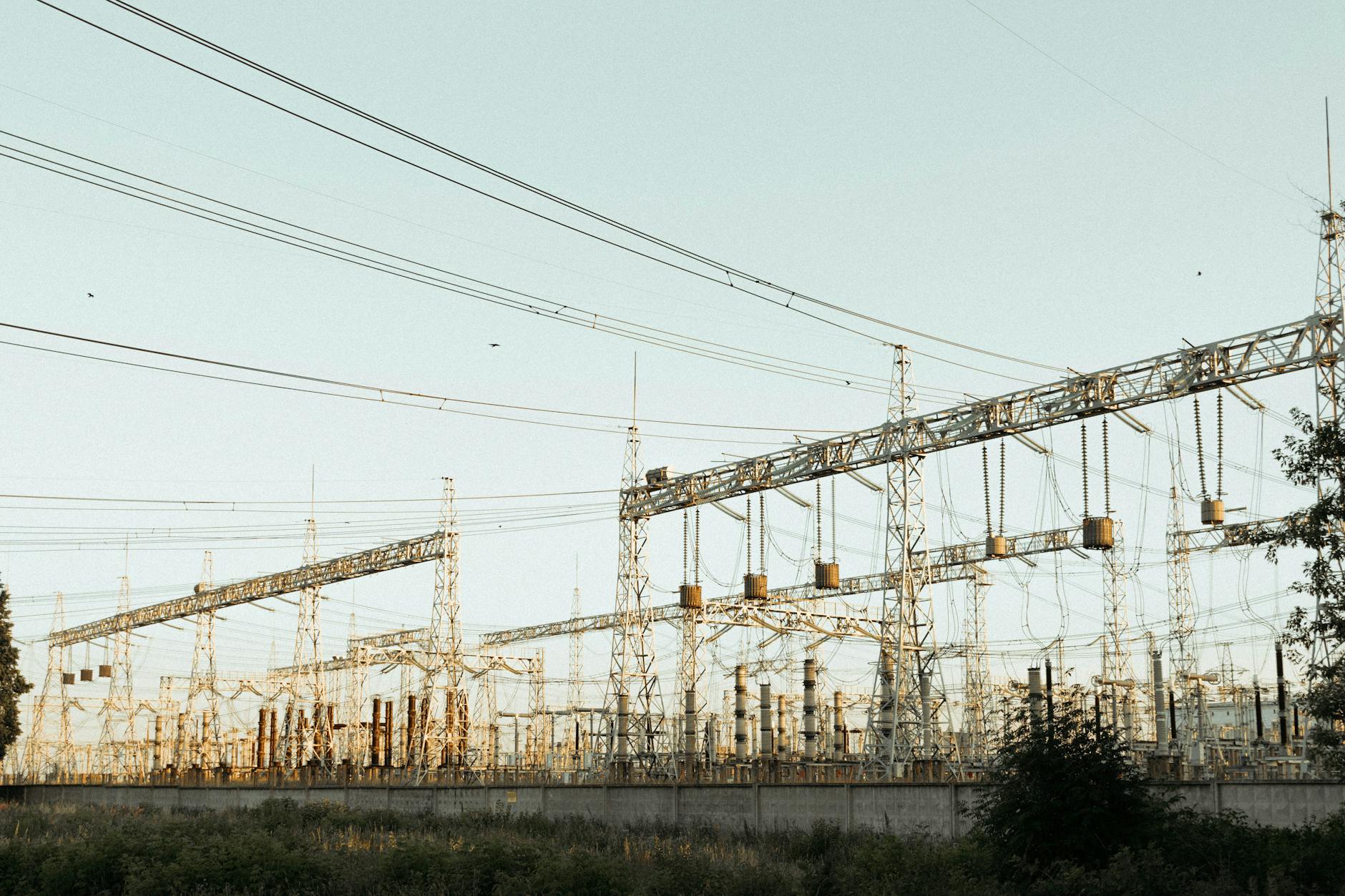
America’s electrical grid faces challenges that would have seemed unimaginable just a decade ago. Data centers supporting artificial intelligence and cloud computing now consume massive amounts of electricity, while the rapid adoption of electric vehicles is creating new peaks in residential demand. Simultaneously, extreme weather events are testing the limits of transmission infrastructure that was largely built decades ago.
Texas experienced this reality firsthand during Winter Storm Uri in 2021, when grid failures left millions without power for days. California faces rolling blackouts during heat waves as air conditioning demand spikes precisely when solar generation drops in the evening. These scenarios are becoming more common across the country, forcing utilities to reconsider their approach to grid reliability.
The North American Electric Reliability Corporation has warned that large portions of the U.S. grid face elevated risks of power shortages during peak demand periods. This assessment has prompted state regulators and utility commissions to fast-track energy storage mandates, creating a regulatory tailwind that’s boosting investor confidence in storage companies.
Grid operators are particularly interested in storage systems that can respond within milliseconds to frequency fluctuations, providing critical grid services that traditional power plants cannot match. This capability becomes increasingly valuable as more intermittent renewable energy sources come online, requiring sophisticated balancing mechanisms to maintain stable electricity supply.
Storage Companies Capitalize on Market Opportunities
Several energy storage companies have seen their valuations surge as utilities announce ambitious procurement targets. Fluence Energy, a joint venture between Siemens and AES Corporation, has secured major contracts for grid-scale battery installations across multiple states. Their technology integrates advanced software controls with lithium-ion battery systems, creating turnkey solutions that utilities can deploy relatively quickly.
QuantumScape, despite facing production challenges with its solid-state battery technology, has attracted significant investor attention due to its potential applications in both automotive and stationary storage markets. The company’s partnerships with major automakers provide credibility for their grid storage ambitions, even as they work through manufacturing scalability issues.
Form Energy has taken a different approach, developing iron-air battery systems designed for long-duration storage applications. Their technology promises to store electricity for days rather than hours, addressing one of the key limitations of current lithium-ion systems. Recent announcements of pilot projects with major utilities have validated their approach and attracted substantial venture funding.
The sector’s growth extends beyond pure-play battery companies. Traditional industrial firms like Honeywell and General Electric are expanding their energy storage divisions, leveraging their existing relationships with utilities to capture market share. This competition is driving innovation while also creating concerns about market concentration as larger players acquire smaller specialized firms.
Investment Dynamics and Market Valuations
Energy storage stocks are trading at premium valuations compared to broader industrial sectors, reflecting investor expectations for rapid growth in grid-scale deployments. However, this optimism comes with significant risks, as the sector remains dependent on regulatory support and utility spending patterns that can shift with political changes.
The Inflation Reduction Act has provided substantial tax incentives for energy storage installations, effectively subsidizing utility purchases and improving project economics. These incentives have created a temporary surge in demand that may not be sustainable once policy support diminishes. Investors are closely watching congressional developments and state-level energy policies for signals about long-term market support.
Supply chain considerations add another layer of complexity to investment decisions. Most grid-scale storage systems rely on lithium-ion batteries manufactured primarily in Asia, creating potential vulnerabilities similar to those affecting semiconductor companies. The recent focus on semiconductor supply chain disruptions has heightened investor awareness of these dependencies in the energy storage sector.
Currency fluctuations and international trade policies can significantly impact the cost structure of storage projects, affecting company margins and competitive positioning. Some investors are favoring companies with domestic manufacturing capabilities or diversified supply chains as a hedge against geopolitical risks.
Working capital requirements for large-scale storage projects can strain company balance sheets, particularly for smaller players competing for utility contracts. Payment terms often extend months after project completion, creating cash flow challenges that have forced some companies to seek additional financing or strategic partnerships with larger industrial firms.
Technology Evolution and Competitive Landscape
The energy storage industry is experiencing rapid technological advancement, with companies racing to develop systems that are more cost-effective, longer-lasting, and capable of providing multiple grid services simultaneously. Lithium-ion technology currently dominates grid-scale installations, but alternative chemistries are gaining traction for specific applications.
Compressed air energy storage represents one promising alternative, using underground caverns or above-ground vessels to store energy mechanically. Companies developing these systems argue they can achieve longer duration storage at lower costs than battery-based solutions, particularly for applications requiring storage periods measured in days rather than hours.
Pumped hydro storage remains the most mature large-scale storage technology, but geographical constraints limit deployment opportunities. Some companies are developing innovative approaches like underground pumped storage that could expand the technology’s applicability to regions without suitable topography for traditional installations.
Software and grid integration capabilities are becoming increasingly important differentiators as storage systems become more sophisticated. Companies that can provide comprehensive energy management platforms, combining storage hardware with predictive analytics and automated trading capabilities, are commanding premium valuations from investors and utilities alike.

The convergence of artificial intelligence with energy storage systems is creating new opportunities for optimization and revenue generation. Advanced algorithms can predict grid conditions and electricity prices, automatically adjusting storage operations to maximize economic returns while providing essential grid services.
Market consolidation appears inevitable as the industry matures and competition intensifies. Larger industrial companies with established utility relationships and manufacturing capabilities are well-positioned to acquire innovative smaller firms, potentially creating integration opportunities for investors willing to accept execution risks.
The energy storage sector’s trajectory will largely depend on continued grid reliability challenges and supportive regulatory environments. As utilities face mounting pressure to modernize their infrastructure and improve resilience, storage companies that can demonstrate proven technology and reliable project execution should benefit from sustained demand growth. However, investors must carefully evaluate individual company fundamentals and market positioning, as the sector’s rapid evolution will inevitably create both winners and casualties in the years ahead.
Frequently Asked Questions
Why are energy storage companies seeing increased investment?
Grid reliability concerns from extreme weather and aging infrastructure are driving utilities to rapidly procure storage systems for grid stabilization.
What technologies are leading the energy storage market?
Lithium-ion batteries dominate grid-scale installations, while alternative technologies like iron-air and compressed air storage are gaining traction for specific applications.