





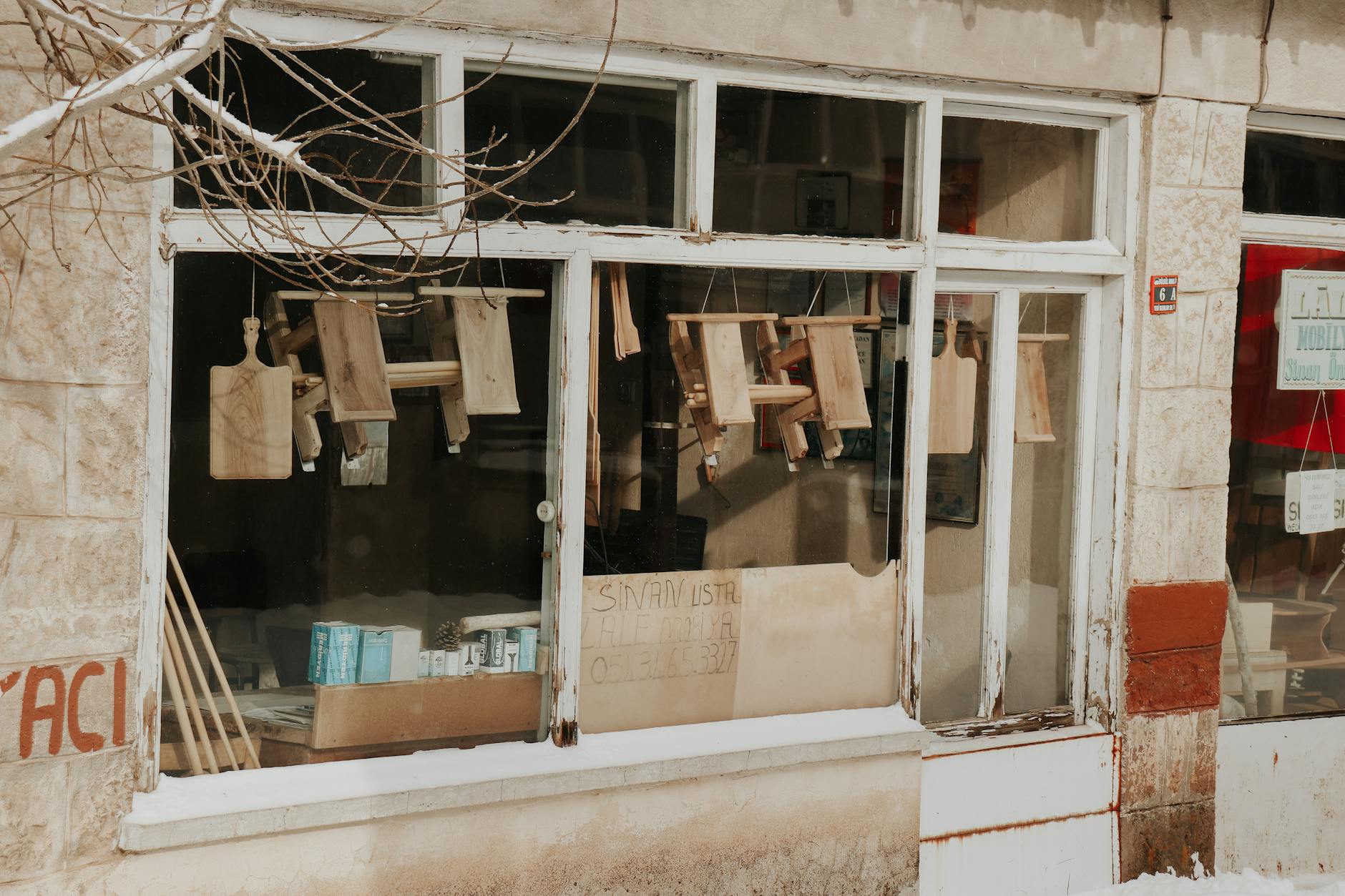
Empty storefronts line shopping centers across America as major fast fashion chains shutter hundreds of locations. Forever 21, H&M, and Gap have announced massive closure plans, with some brands eliminating over 30% of their physical presence. The retail apocalypse that began with department stores has now reached the trendy, affordable clothing sector that once seemed immune to digital disruption.
The shift reflects more than just changing shopping habits. Consumer values have evolved dramatically, with younger shoppers increasingly rejecting the disposable fashion model that built these retail empires. Environmental concerns, labor practices, and quality expectations are reshaping an industry that thrived on $5 tops and weekly style turnover.
Store Closures Accelerate Across Major Chains
Forever 21 filed for bankruptcy in 2019 and closed over 200 stores, but the downsizing continues. The retailer has shuttered another 50 locations in 2024, focusing resources on fewer, higher-performing stores and online sales. H&M announced plans to close 240 stores globally, while opening fewer new locations than in previous years.
Gap Inc. has been particularly aggressive in reducing its physical footprint. The company closed over 100 Gap and Banana Republic stores in 2023 and announced additional closures for 2024. Old Navy, Gap’s budget-friendly brand, has maintained more locations but reduced square footage in many stores.
Zara’s parent company Inditex has taken a different approach, closing smaller stores while investing in larger flagship locations. The Spanish retailer believes bigger stores create better brand experiences, even as overall foot traffic declines in many shopping centers.
These closures contribute to the broader commercial real estate crisis, as noted in reports about regional banks struggling with commercial real estate loan defaults. Empty anchor stores leave shopping centers scrambling to fill large spaces designed for high-volume retail.
Consumer Values Drive Market Shift
Generation Z shoppers, now aged 18-26, represent the core demographic that fueled fast fashion’s growth. However, their purchasing behavior differs significantly from millennials at the same age. Social media influencers promote “sustainable fashion hauls” and “thrift flips” instead of showcasing massive Shein orders.
Environmental awareness plays a major role in this shift. Young consumers understand that fashion is the second-most polluting industry globally. They’ve learned about textile waste, water usage, and chemical runoff from clothing production. The documentary “The True Cost” and social media activism have educated shoppers about fashion’s environmental impact.
Quality expectations have also risen. TikTok videos showing clothes falling apart after one wash have gone viral, creating skepticism about ultra-cheap clothing. Shoppers increasingly prefer spending more on items that last longer, even if it means buying fewer pieces overall.
The rental fashion market has exploded as an alternative to disposable clothing. Services like Rent the Runway for formal wear and Nuuly for casual pieces allow fashion-conscious consumers to wear trendy items without contributing to textile waste. This model particularly appeals to urban professionals who attend frequent events but don’t want to repeat outfits on social media.
Digital-First Brands Challenge Traditional Retail
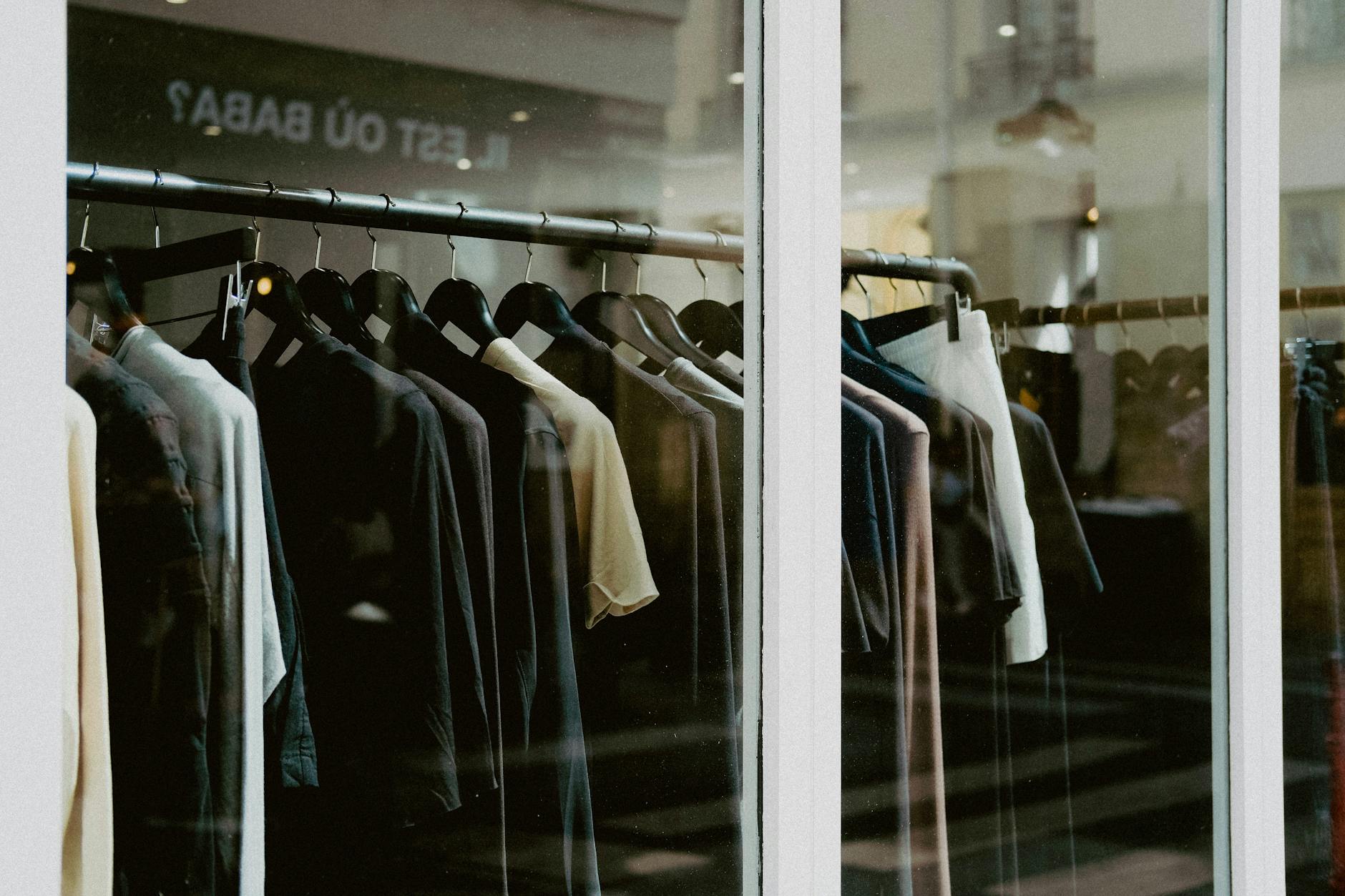
While legacy retailers close stores, digital-native brands have gained market share without needing extensive physical presence. Everlane, Reformation, and Girlfriend Collective built loyal followings through social media marketing and direct-to-consumer sales models.
These newer brands emphasize transparency about manufacturing processes, worker conditions, and environmental impact. They charge premium prices but justify costs through ethical production claims and higher quality materials. Their success demonstrates consumer willingness to pay more for aligned values.
Secondhand shopping has become mainstream, with platforms like ThredUp, Poshmark, and Depop experiencing explosive growth. ThredUp reported that the secondhand market grew 11 times faster than traditional retail in recent years. Even luxury consignment through The RealReal attracts younger shoppers who view pre-owned designer items as both economical and sustainable.
Social media has democratized fashion influence, reducing reliance on traditional fashion magazines and celebrity endorsements. Micro-influencers with smaller followings often drive more authentic engagement than major celebrities. This shift has disrupted fast fashion’s marketing playbook, which relied heavily on celebrity collaborations and magazine advertising.
The pandemic accelerated these trends as consumers spent more time at home and reconsidered their relationship with material possessions. Many people cleaned out closets full of barely-worn fast fashion items and vowed to buy more thoughtfully going forward.
Economic Impact and Industry Adaptation
Fast fashion store closures affect employment significantly, as these retailers typically employed large numbers of part-time workers in mall locations. However, the gig economy has provided alternative income sources for many former retail workers through clothing resale, styling services, and social media marketing.
Traditional fashion weeks in New York, Paris, and Milan have adapted to changing consumer preferences. Designers increasingly showcase sustainable materials, ethical production processes, and capsule collections designed for longevity rather than seasonal trends. Some brands have eliminated seasonal collections entirely, releasing new items only when meaningful innovations justify them.
Manufacturing has begun shifting toward made-to-order models that reduce overproduction and waste. Brands like Kotn and Cuyana emphasize limited production runs and restocking based on actual demand rather than projected sales. This approach requires different inventory management and supply chain strategies but aligns with consumer preferences for exclusivity and sustainability.
Investment patterns reflect these market changes. Venture capital funding for sustainable fashion startups reached record levels in 2023, while traditional retail chains struggle to secure expansion capital. Private equity firms that once invested heavily in fast fashion are now backing rental platforms, resale marketplaces, and eco-friendly textile innovations.
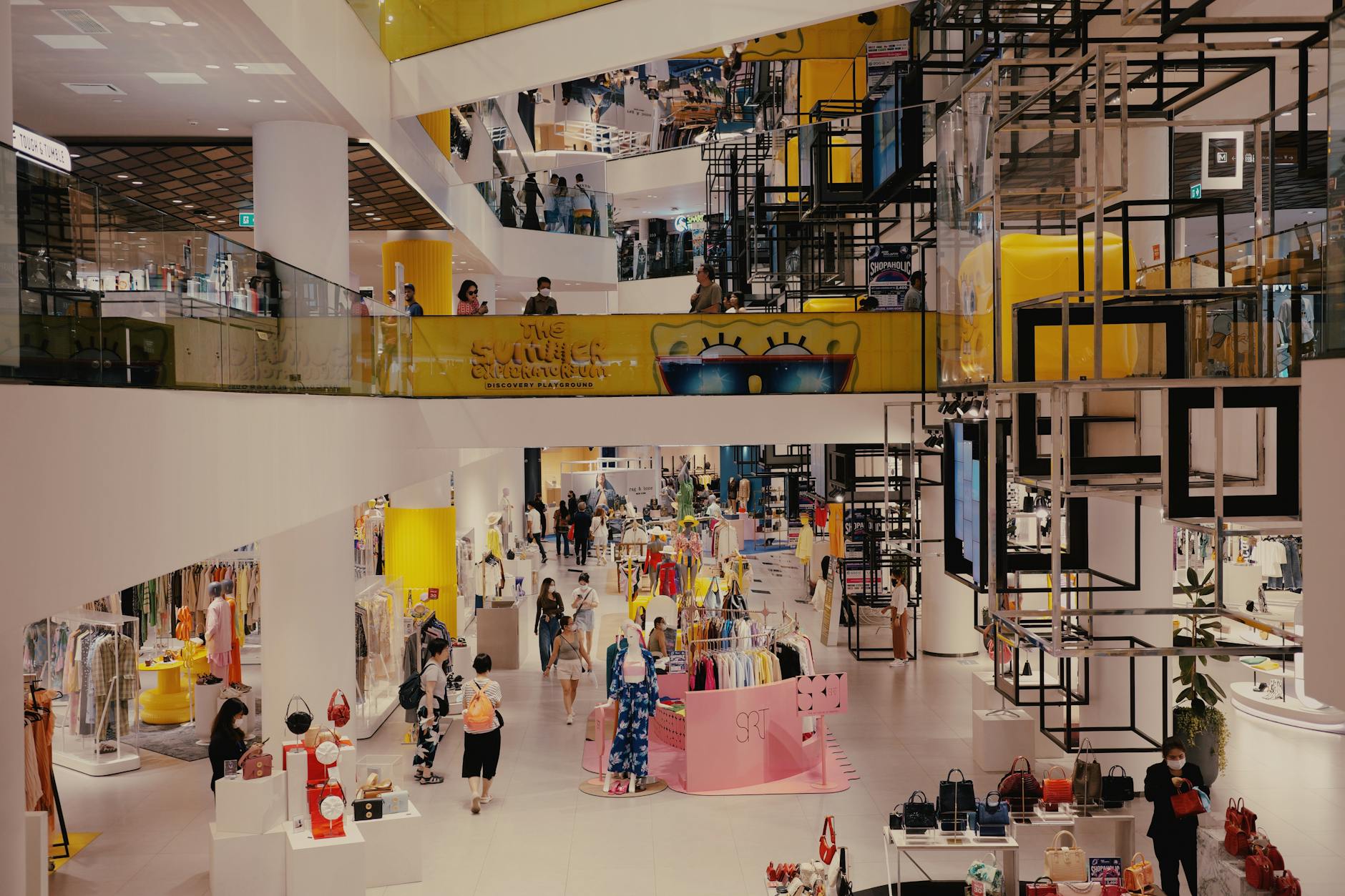
The transformation of fashion retail appears irreversible as consumer values continue evolving toward sustainability and quality over quantity. Fast fashion retailers must fundamentally reimagine their business models or risk further market share erosion. Success in this new landscape requires genuine commitment to environmental and social responsibility, not just marketing messages about sustainability.
The empty storefronts that once housed fast fashion chains may soon welcome new types of businesses better aligned with changing consumer priorities. Pop-up rental showrooms, repair cafes, and local designer boutiques represent the future of fashion retail – smaller scale, higher value, and more connected to community needs.
Frequently Asked Questions
Why are fast fashion stores closing?
Consumers increasingly prefer sustainable, higher-quality clothing over cheap, disposable fashion items, reducing demand for traditional fast fashion retailers.
Which fast fashion brands are closing the most stores?
Forever 21, H&M, Gap, and Banana Republic have announced major store closure plans, with some eliminating over 30% of locations.