





When the Weather Bill Comes Due
Federal crop insurance was designed as a backstop – a financial buffer for farmers navigating the natural volatility of growing seasons. Droughts happen, hailstorms arrive without warning, and floods do not respect planting schedules. The program, administered through the USDA’s Risk Management Agency, pools risk across millions of acres and tens of thousands of farming operations, spreading the cost of disaster across a broad base. For decades, that model held together reasonably well. Now the math is getting harder to ignore.
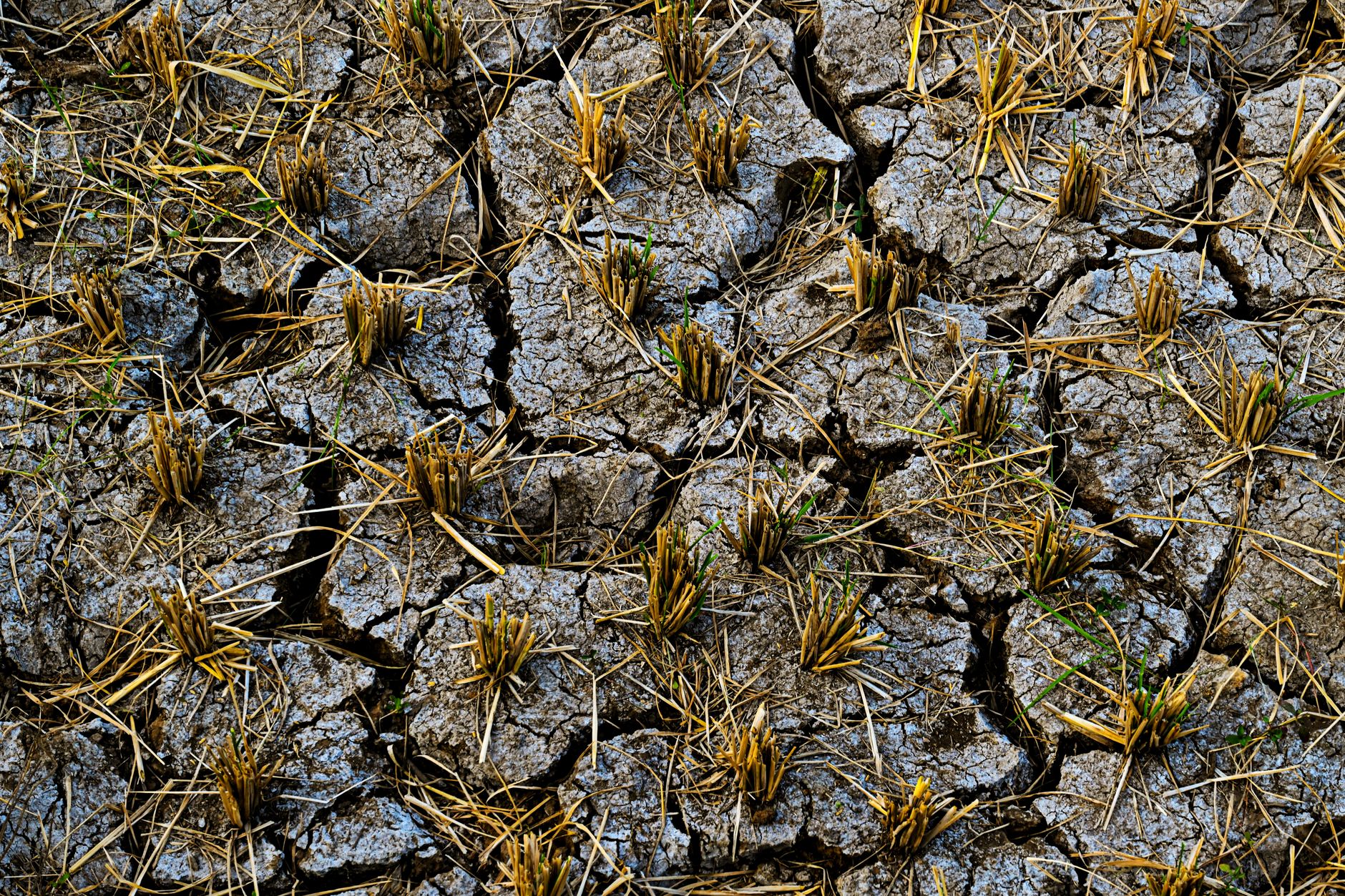
Payouts under the Federal Crop Insurance Program have climbed steadily over the past decade, driven by a pattern that agronomists and meteorologists have been tracking with growing concern: extreme weather events are not just more frequent, they are lasting longer and overlapping in ways that compound agricultural losses. A spring drought that would once have been offset by summer rains now runs unbroken into fall. A single season can carry multiple distinct weather shocks – late frost, midsummer heat stress, and early-season flooding – stacking losses in ways the program’s actuarial models were not originally built to absorb.
The federal government is, in effect, becoming the insurer of last resort for a climate the original program was not priced to cover.
How the Program Works – and Where the Stress Shows
The Federal Crop Insurance Program operates through a public-private partnership. Farmers purchase policies through private insurers, who then share risk with the federal government through reinsurance agreements. The USDA subsidizes a significant portion of the premiums – typically more than half – making coverage accessible to small and mid-size operations that could not afford actuarially sound rates on their own. When losses mount, the federal reinsurance backstop absorbs much of the overflow, meaning large payout years flow directly to the federal balance sheet.
That structure works efficiently when bad years are isolated and recoverable. What it struggles with is consecutive stress. When the same corn belt counties file claims in back-to-back-to-back seasons – not because of isolated incidents but because regional growing conditions have shifted – premiums paid in good years no longer adequately pre-fund the liability. Private insurers, aware of this exposure, have lobbied for and received adjustments to reinsurance terms, but the fundamental problem remains: the program is pricing yesterday’s risk against today’s weather patterns. Actuarial tables built on historical loss data increasingly underestimate the frequency and severity of future claims.
There is also a coverage expansion dynamic at play. As climate risk has grown more visible, Congress has responded by broadening what the program covers and increasing subsidy rates to maintain farmer participation. More acres enrolled, more crop types covered, higher subsidy floors – each expansion made political sense at the time, but together they have increased the federal government’s exposure at exactly the moment when that exposure is becoming more costly to hold.
The Geography of Loss
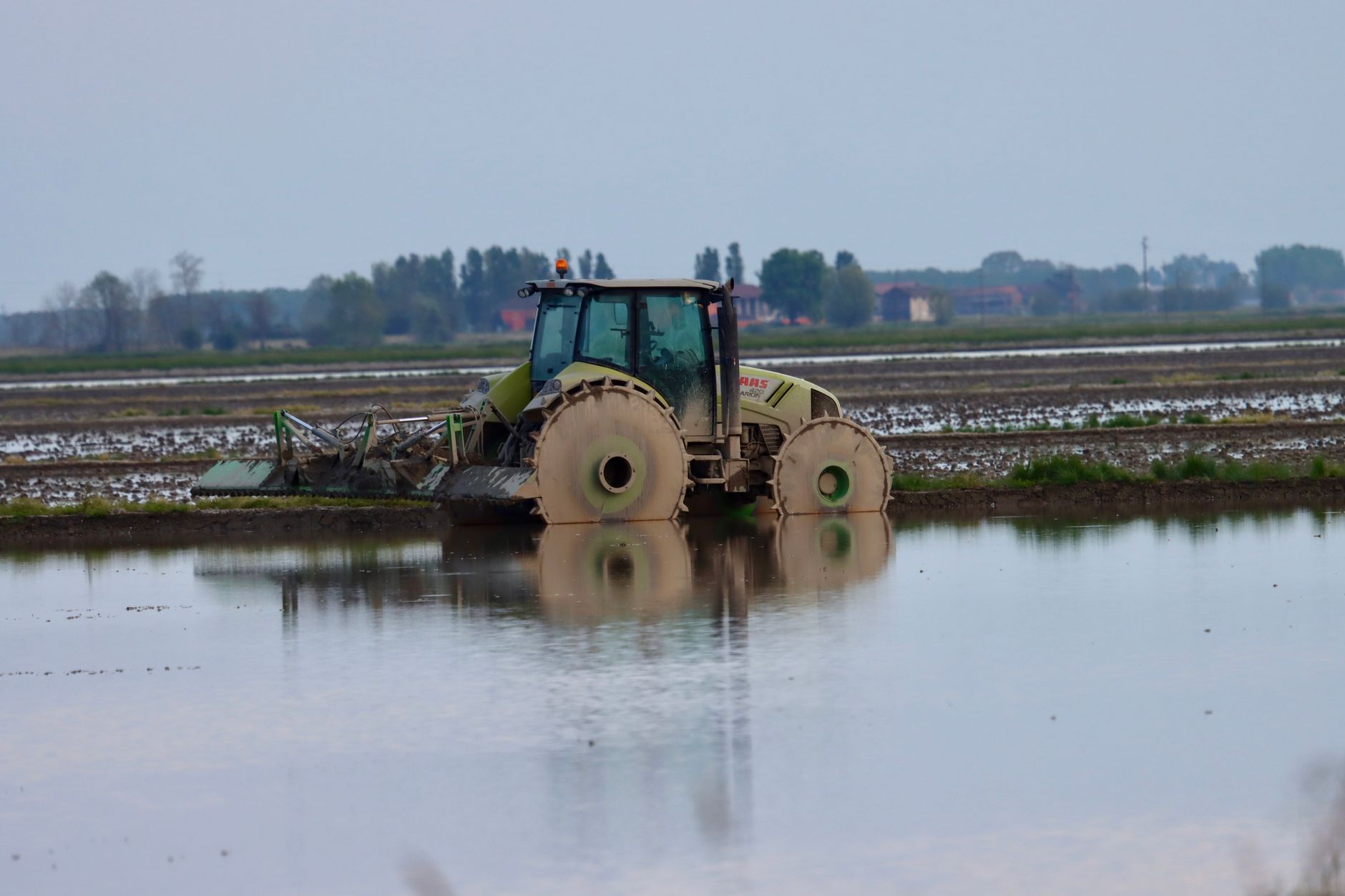
The pressure is not evenly distributed across the country. The Great Plains – which produces a disproportionate share of American wheat, corn, and sorghum – has seen drought conditions stretch across growing seasons with a persistence that would have been considered anomalous twenty years ago. The Mississippi River basin, critical to soybean and cotton production, has experienced flood cycles that now arrive earlier in spring and linger longer. California’s specialty crop sector, which includes fruits, nuts, and vegetables not traditionally eligible for standard crop insurance, has pushed the USDA to develop new policy products as wildfire smoke, water scarcity, and heat events have combined to batter yields.
Each region brings its own actuarial problem. Specialty crops carry higher per-acre value and more complex loss assessment requirements. Row crops cover enormous acreage but operate on thin margins where even modest yield reductions trigger coverage thresholds. Livestock producers, increasingly exposed to heat stress mortality and pasture destruction, have pushed participation in livestock-specific programs upward, adding another layer of federal exposure that did not exist at meaningful scale a generation ago.
Federal spending on crop insurance indemnities – the actual claims paid out to farmers – has in recent years routinely exceeded $10 billion annually, with particularly severe seasons pushing well above that threshold. The program’s defenders argue this spending is economically rational: without it, farm bankruptcies during bad years would ripple through rural economies, spike food prices, and ultimately cost more in emergency relief than a functioning insurance structure would have. That argument has merit. It does not resolve the underlying tension between a fixed-structure program and an accelerating claims environment.

Who Pays, and What Comes Next
The subsidy cost of the program – what the federal government pays to make premiums affordable – runs into the billions annually even in relatively calm years. In a heavy-loss year, that figure compounds with indemnity payments, administrative costs, and the drag on private insurers who still absorb a share of losses before federal reinsurance kicks in. Rural communities benefit from the stabilizing effect of insurance payouts, which keep farm income from collapsing entirely during disaster seasons and sustain the local businesses, equipment dealers, and supply chains that depend on agricultural spending. But the fiscal architecture supporting all of that is being tested in ways that will eventually require Congress to make decisions it has so far managed to defer – either repricing the program honestly, capping federal exposure, or accepting that the cost of underwriting American agriculture against worsening weather will keep climbing without a structural ceiling in sight.