





The Hidden Cost Killing Coastal Deals
Flood insurance was never cheap along America’s coasts, but something shifted quietly over the past two years that has started showing up in a very specific place: the closing table. Deals that once moved smoothly through escrow are now collapsing in the final weeks, not because buyers changed their minds or appraisals came in low, but because the flood insurance quote arrived and nobody could make the math work. The monthly premium – sometimes doubling or tripling what the previous owner paid – turns an affordable mortgage into an impossible one overnight.
The Federal Emergency Management Agency’s risk rating overhaul, known as Risk Rating 2.0, was rolled out in phases starting in late 2021 and fully implemented by 2022. The program replaced a decades-old pricing model that had long undercharged millions of coastal and floodplain properties by anchoring premiums to dated flood zone maps rather than the actual risk each individual property carries. The new methodology factors in a home’s distance to water, its elevation, the cost to rebuild it, and multiple types of flood risk including storm surge, river flooding, and heavy rainfall. For many waterfront and near-coast properties, particularly those in Florida, Louisiana, South Carolina, and New Jersey, the resulting premiums bore no resemblance to what sellers had been paying.
Some homeowners are now receiving quotes exceeding $10,000 a year for properties that previously cost $1,500 to insure.
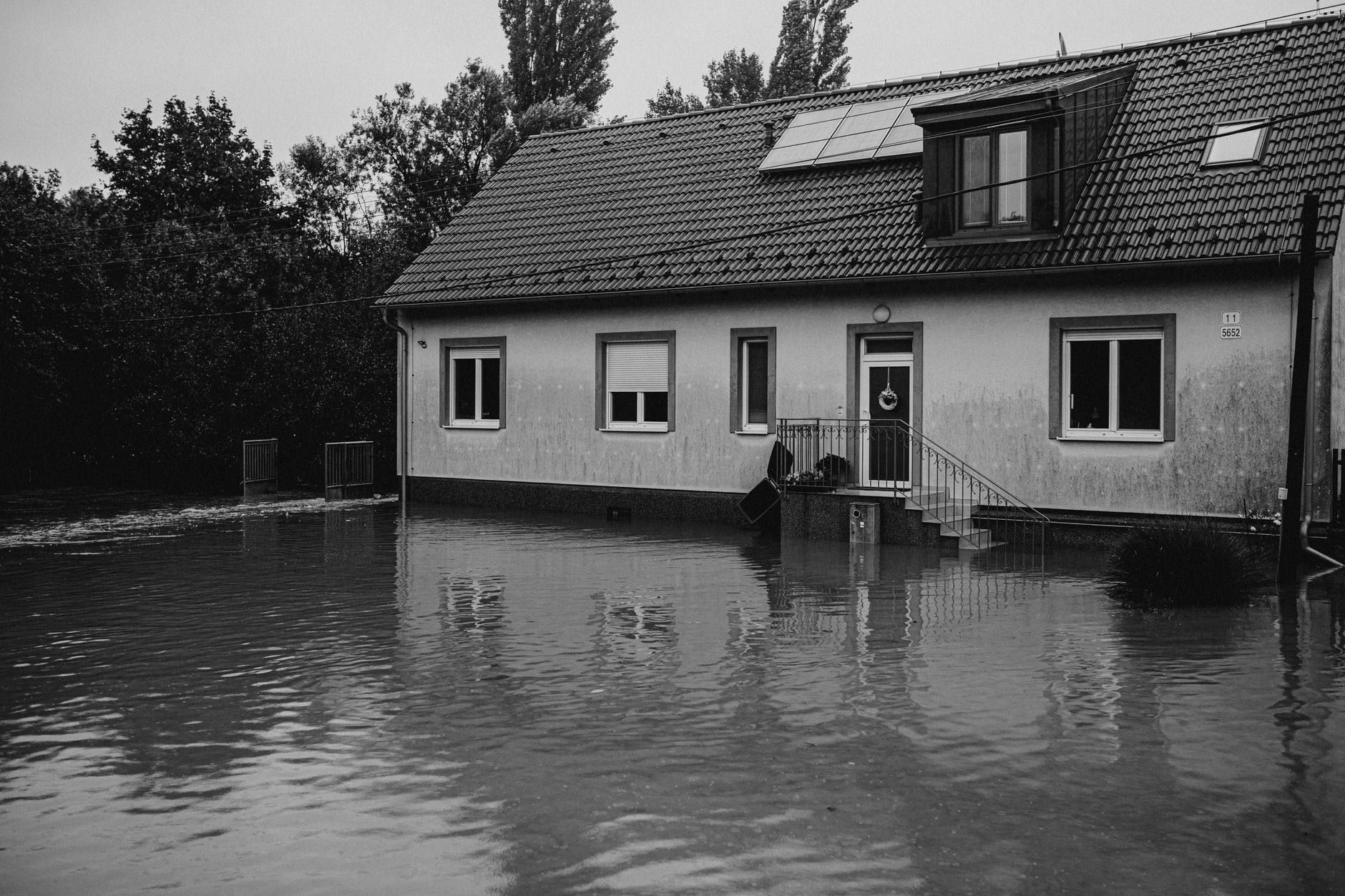
When the Numbers Stop Working
The impact on home sales is not showing up loudly in national housing statistics yet, but it is showing up in the details – in the cancellation clauses, in the contingency periods, in the sudden withdrawal of offers on properties that had been on the market for two weeks and appeared to be under contract. Real estate attorneys in coastal markets describe a pattern where buyers complete their due diligence, receive flood insurance quotes, and then exit the deal using inspection contingencies rather than explicitly citing insurance costs. The actual reason for the collapse often goes unreported.
Mortgage lenders require flood insurance for any federally backed loan on a property in a Special Flood Hazard Area, which means buyers cannot simply opt out. If a property sits in a high-risk zone – designated with an “A” or “V” prefix on FEMA’s flood maps – the lender will mandate coverage before funding the loan. For buyers using conventional financing backed by Fannie Mae or Freddie Mac, the same requirement applies. That leaves buyers with limited options: pay the premium, absorb the cost into their monthly payment calculation and see if the deal still pencils out, or walk away. A growing number are choosing the third option.
The problem is compounded in markets where private flood insurers have been pulling back. Florida, which carries roughly one-third of all National Flood Insurance Program policies, has watched several private carriers exit the state entirely or dramatically restrict new policy issuance in coastal counties. When private competition disappears, buyers lose any ability to shop for lower rates, and NFIP premiums become the only option regardless of how steep they run. This dynamic is tightening the squeeze from both ends – higher NFIP costs plus fewer alternatives to compare them against.
Sellers Caught Between Disclosure and Denial
Sellers face a genuinely difficult position. In most states, disclosure laws require sellers to reveal known material facts about a property, and in many coastal jurisdictions that now includes whether the property is in a flood zone and whether it has previously flooded. But sellers are rarely required to proactively disclose what a buyer’s insurance will cost, partly because that figure varies depending on the buyer’s loan type, desired coverage level, and which insurer they contact. So buyers often do not discover the true insurance burden until they are already emotionally invested, have paid for inspections, and are days away from closing.
Some sellers have begun offering to buy down the insurance premium as a closing incentive – essentially prepaying a portion of the first year’s coverage or offering credits to offset ongoing costs. It is a creative workaround, but it does not solve the fundamental problem: a buyer who cannot afford $12,000 a year in flood insurance on top of their mortgage, taxes, and homeowner’s policy is not going to find that burden disappear after year one. Credits and buydowns shift the first-year pain but leave the underlying economics unchanged.
Meanwhile, properties that once carried strong equity are starting to look less bankable. As flood insurance costs factor into debt-to-income calculations that lenders use to qualify borrowers, some buyers who would have comfortably qualified for a coastal home purchase two years ago are now hitting the ceiling. The monthly flood insurance premium effectively reduces how much mortgage a lender will approve, quietly shrinking the pool of eligible buyers for the most flood-exposed properties.

No Easy Off-Ramp in Sight
FEMA’s current pricing structure includes statutory caps that limit annual premium increases to 18 percent per year for primary residences, which sounds like protection until you calculate how many consecutive years at that rate it takes to reach a $10,000 premium from a $1,500 baseline. For secondary homes and investment properties, the caps are less generous. Legislation to overhaul or delay the NFIP’s new pricing system has circulated in Congress repeatedly, but the political challenge is straightforward: any rollback of actuarially sound rates either pushes the program deeper into debt or requires a taxpayer-funded subsidy. The NFIP is already carrying a debt load exceeding $20 billion from previous storm seasons. Congress has yet to find a path that satisfies both the constituents demanding affordable coastal insurance and the fiscal reality that cheap flood insurance for high-risk properties has historically cost the federal government enormously. For buyers sitting across from a quote they cannot absorb, that political stalemate offers nothing useful before the closing deadline.
Frequently Asked Questions
Why are flood insurance premiums rising so sharply for coastal homes?
FEMA’s Risk Rating 2.0 program, fully implemented in 2022, replaced outdated flood maps with property-specific risk calculations, resulting in steep premium increases for many coastal properties.
Can buyers skip flood insurance to avoid the high costs?
No. Any federally backed mortgage on a property in a Special Flood Hazard Area legally requires flood insurance, leaving buyers no option to opt out if they are using conventional financing.