





The once-unstoppable food delivery industry is hitting a wall. After years of explosive growth fueled by pandemic lockdowns and venture capital, major players like DoorDash, Uber Eats, and Grubhub are grappling with a harsh reality: consumers are pulling back, costs are rising, and the path to sustainable profitability remains elusive.
Recent earnings reports paint a sobering picture. While delivery volumes remain above pre-pandemic levels, growth has slowed dramatically. Consumer spending patterns are shifting as inflation pressures household budgets, forcing many to reconsider the convenience fees and tips that can double the cost of a meal. The easy money era that funded rapid expansion is over, leaving companies scrambling to cut costs while maintaining market share.

The Post-Pandemic Reality Check
The pandemic years created an artificial boom for food delivery apps. Locked-down consumers drove order volumes to unprecedented heights, with DoorDash reporting a 226% increase in orders during 2020. Investors poured billions into the sector, betting on a permanent shift in dining habits.
That bet is proving costly. As restaurants reopened and consumers returned to normal routines, the growth trajectory flattened. DoorDash, which went public at the height of the pandemic boom, has seen its stock price fall more than 70% from its peak. Uber’s food delivery segment, while still growing, faces margin pressures that offset revenue gains.
The fundamental economics remain challenging. Food delivery operates on thin margins, with companies typically taking a 15-30% commission from restaurants while shouldering significant customer acquisition costs. Marketing expenses to attract new users and retain existing ones consume massive portions of revenue, creating a cycle where growth comes at the expense of profitability.
Restaurant partners are pushing back against high commission rates, with some implementing their own delivery systems or negotiating better terms. Cities like New York and San Francisco have implemented commission caps during the pandemic, further squeezing platform revenues.
Consumer Behavior Shifts Hit Bottom Lines
Inflation is reshaping how Americans spend on food. With grocery prices rising but restaurant delivery fees remaining constant, the cost gap has widened significantly. A $15 meal can easily become $25-30 after delivery fees, service charges, and tips, making home cooking increasingly attractive.
Data from market research firms shows consumers are ordering less frequently and choosing lower-priced items. Average order values are declining in inflation-adjusted terms, while customer acquisition costs continue rising. The cohort of users who tried delivery apps for the first time during the pandemic are proving less loyal than anticipated.
Younger consumers, traditionally the core demographic for delivery apps, are particularly price-sensitive. Gen Z users report cutting back on delivery orders as student loan payments resume and entry-level wages struggle to keep pace with living costs. This demographic shift threatens the long-term growth assumptions that justified massive valuations.
Competition from grocery delivery services like Instacart and Amazon Fresh adds another layer of pressure. These platforms offer bulk purchasing that can reduce per-meal costs, appealing to budget-conscious consumers who previously relied on restaurant delivery for convenience.
Operational Costs Create Perfect Storm
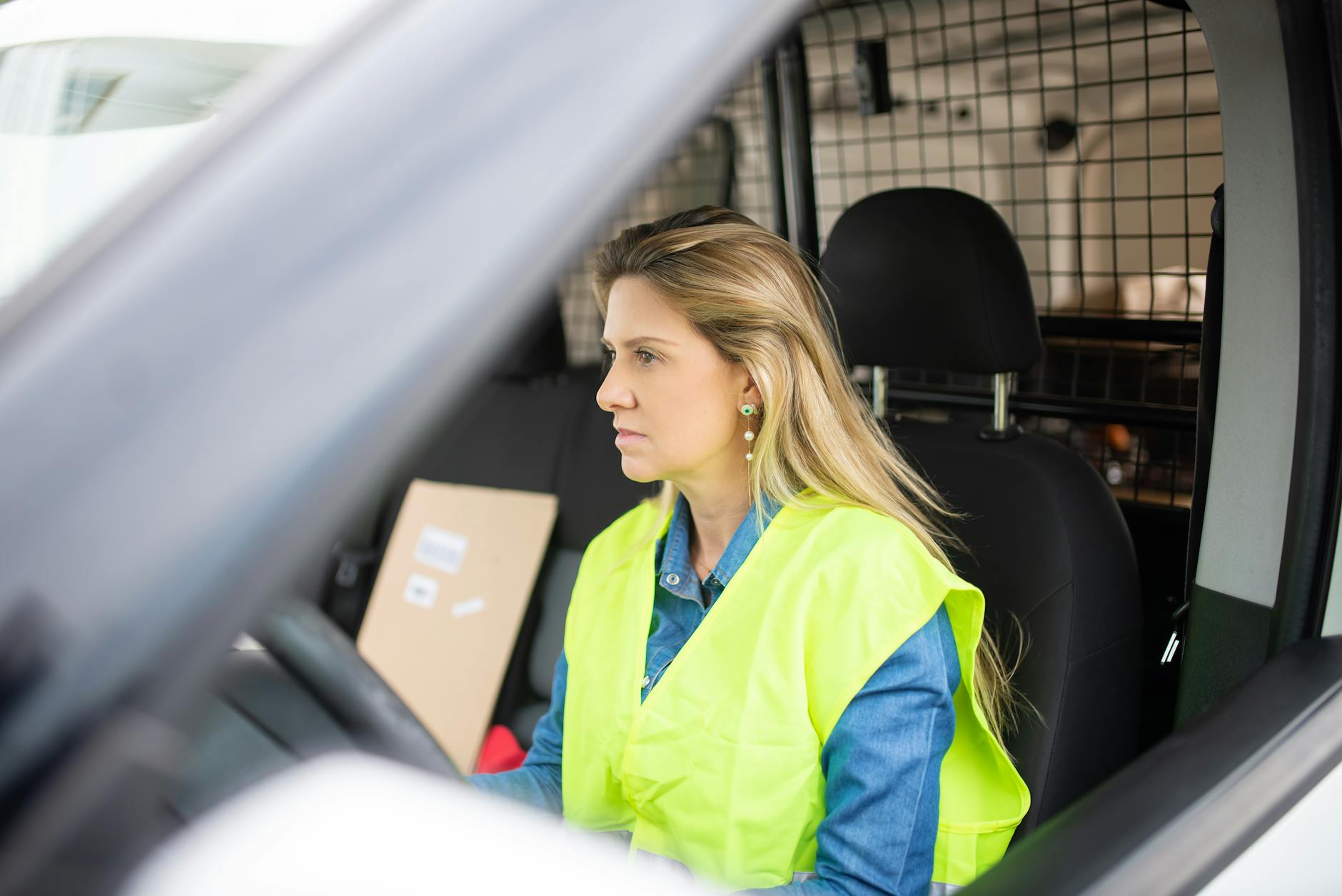
Rising labor costs compound the profitability challenge. Driver shortages have forced companies to increase pay and offer bonuses to maintain service levels. Fuel costs, insurance premiums, and vehicle maintenance expenses have all increased, directly impacting delivery economics.
The gig economy model that powers these platforms faces regulatory scrutiny. California’s AB5 law and similar legislation in other states could reclassify drivers as employees, dramatically increasing labor costs. While companies have fought these measures, the legal uncertainty creates long-term planning challenges.
Technology investments, once seen as efficiency drivers, require substantial ongoing expenditures. AI-powered route optimization, demand forecasting, and customer service automation represent millions in development costs with uncertain returns. The promise of autonomous delivery vehicles remains years away from meaningful deployment.
Real estate costs for fulfillment centers and ghost kitchens add another expense layer. Companies expanded these facilities rapidly during peak growth, but many locations now operate below capacity as order volumes normalize. Labor shortages drive automation investment across service industries, but food delivery’s personal service component limits automation opportunities.
Industry Consolidation and Strategic Pivots
Market pressures are forcing strategic changes across the industry. Smaller players like Postmates have already been acquired, while remaining companies explore new revenue streams beyond restaurant delivery.
Grocery delivery has become a key battleground, with higher average order values and better unit economics. DoorDash has expanded partnerships with convenience stores and retail chains, while Uber Eats focuses on alcohol delivery and quick commerce. These diversification efforts aim to improve customer lifetime value and reduce dependence on restaurant commissions.
International expansion offers growth potential but requires significant capital investment. Cultural differences in dining habits and payment preferences create operational complexities. Competition from local players with better market knowledge further complicates expansion strategies.
Some companies are experimenting with subscription models to improve customer retention and predictable revenue streams. DashPass and Uber One offer reduced delivery fees for monthly subscribers, but adoption rates remain limited compared to other subscription services.
Looking Ahead: Survival Strategies
The food delivery industry stands at a crossroads. Companies that survive the current profitability crisis will need to fundamentally restructure their operations and value propositions. Cost discipline, previously secondary to growth, now takes center stage.
Successful players will likely emerge with more focused geographic footprints, streamlined operations, and diversified revenue streams. The era of subsidizing growth through investor capital is ending, replaced by market-driven pricing that reflects true delivery costs.
Consumer behavior will ultimately determine the industry’s size and structure. If delivery remains a luxury rather than becoming a utility, the market will contract to serve affluent urban areas where unit economics work. Rural and suburban markets may see reduced service as companies retreat from unprofitable territories.
The next phase of evolution will test whether food delivery can transition from a venture-capital-fueled growth story to a sustainable business model. Those companies that successfully navigate this transition will emerge stronger, while others may become cautionary tales of pandemic-era excess.
Frequently Asked Questions
Why are food delivery apps struggling financially?
Rising operational costs, reduced consumer spending, and high customer acquisition expenses are squeezing profit margins across the industry.
Will food delivery companies survive the profitability crisis?
Companies that adapt with cost discipline, diversified revenue streams, and sustainable pricing models are likely to survive the current challenges.