





Rails Running Quiet
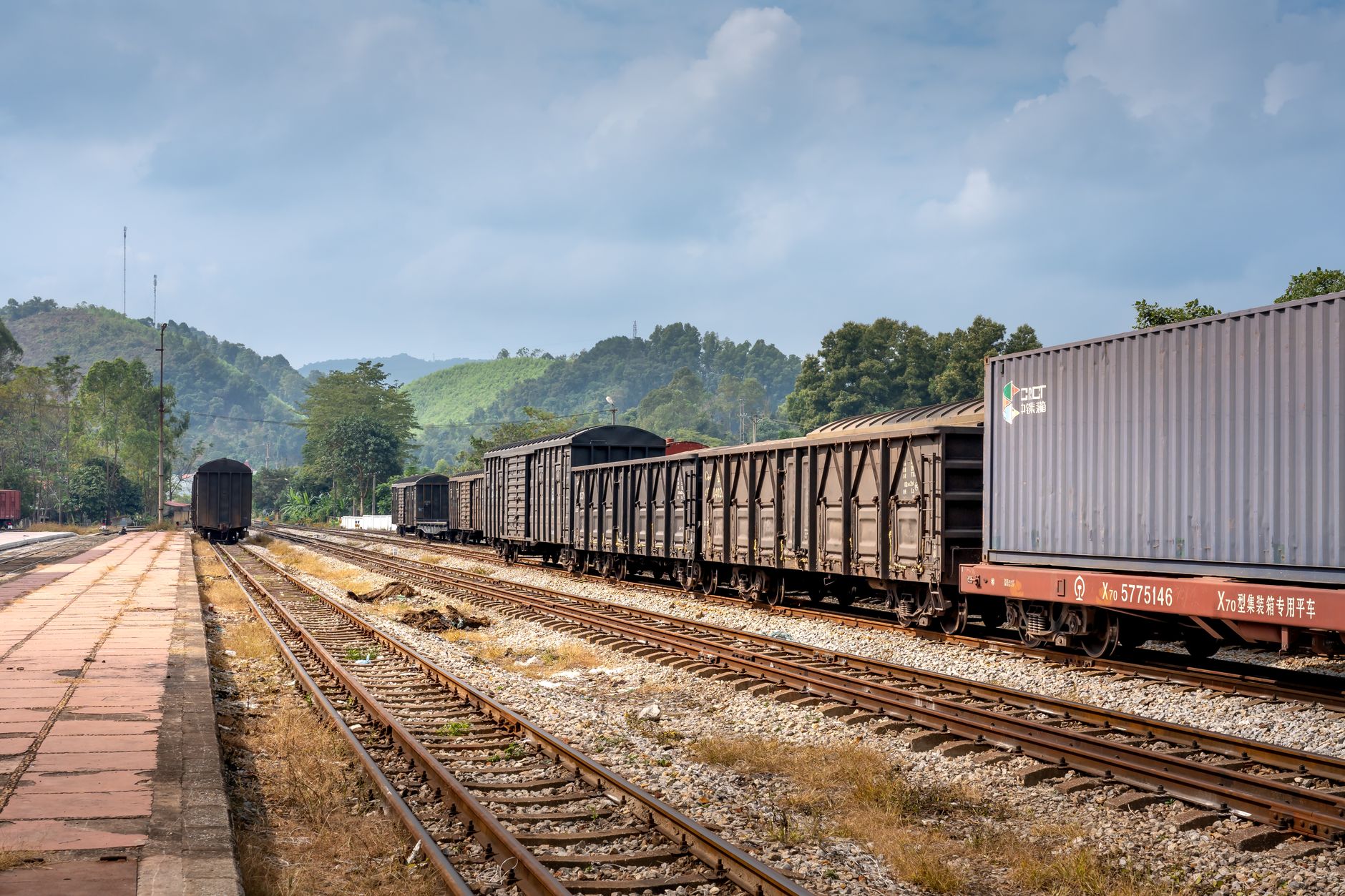
Freight rail is slowing down, and not just seasonally. Carload volumes across major North American rail corridors have been softening for several consecutive weeks, with intermodal shipping – the practice of moving containerized cargo across multiple transport modes including rail, truck, and ship – sitting at the center of the slowdown. Contract negotiations between major shippers and rail carriers have stalled, leaving a meaningful portion of planned freight capacity in limbo.
The stall is not a single event. It is the product of competing pressures: shippers pushing back on rate structures that climbed sharply over the past few years, carriers unwilling to lock in lower long-term pricing when spot market conditions remain volatile, and a broader goods economy that has not recovered the consistent import-to-warehouse-to-retail rhythm it once had.
Intermodal contracts are the backbone of rail freight revenue.
Where the Volume Is Going
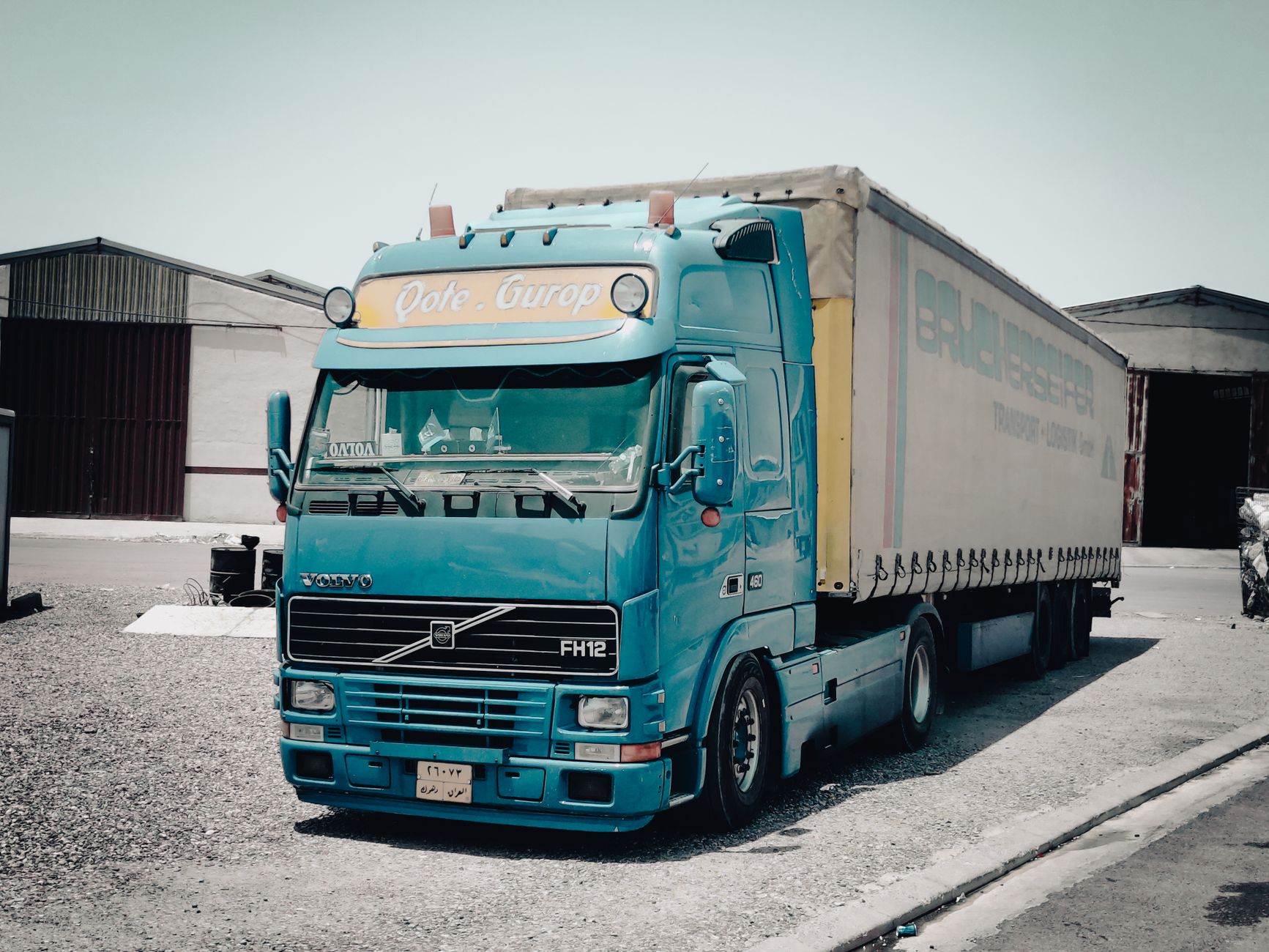
When intermodal contracts stall, freight does not disappear – it reroutes. Trucking absorbs some of the slack, particularly for time-sensitive loads where shippers prefer the flexibility of short-term spot truck rates over waiting for rail contract terms to resolve. This is not a sustainable pattern for carriers or shippers, since truck costs per mile remain significantly higher than rail on long-haul lanes, but in a period of uncertainty it becomes the path of least resistance.
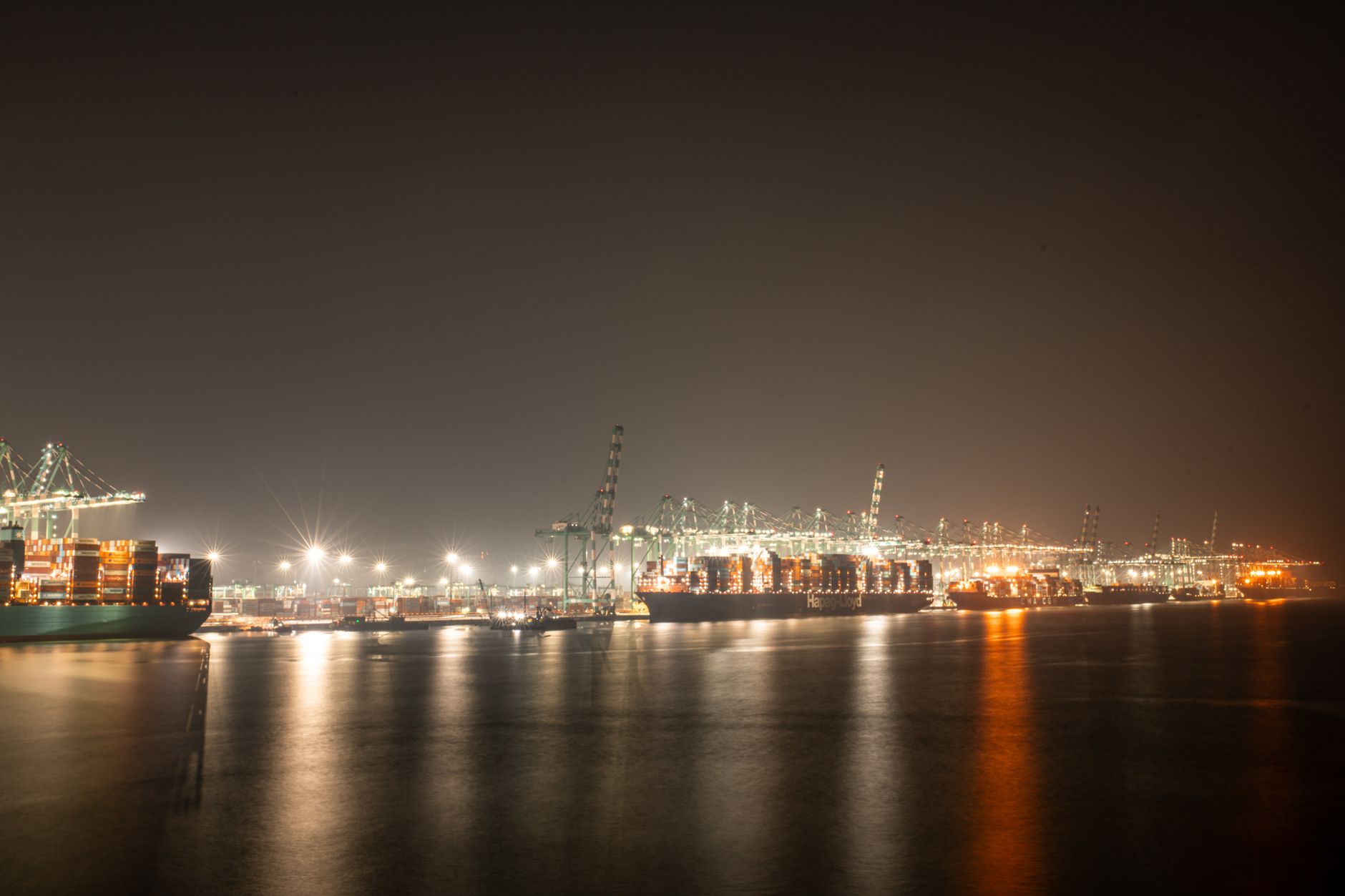
The segments feeling the most pressure are consumer goods and retail merchandise – categories that depend heavily on intermodal efficiency to move imported containers from West Coast ports inland. When those contracts are unresolved, shippers operate on shorter booking windows, which disrupts the load planning that makes rail economics work. Rail networks are built around density and predictability; sporadic bookings chip away at both.
Agricultural bulk carloads, which move under different contract structures than intermodal containers, have shown more stability. Grain, fertilizer, and energy-related carloads are holding relatively steady, which explains why the overall volume numbers look less alarming than the intermodal-specific data. Strip out bulk commodities and the picture for containerized freight on rail looks noticeably weaker.
The Contract Standoff and What Is Driving It
Rate disagreements are at the core of the stalled negotiations. During the supply chain surge of 2021 and 2022, intermodal rates on key domestic lanes roughly doubled in some cases, driven by capacity shortages and surging import volumes. Shippers signed contracts at elevated rates because they had little choice. Now, with import volumes normalized and warehouse inventories better balanced, shippers want rates reset closer to pre-surge levels. Rail carriers, having invested in equipment and terminal capacity at those higher revenue expectations, are resistant.
There is also a structural disagreement about service reliability. Several large retail and manufacturing shippers have publicly noted – through earnings calls and logistics trade channels – that rail service consistency during the peak demand years fell short of contract commitments. That history makes shippers more cautious about signing multi-year intermodal agreements without performance guarantees that carriers are reluctant to formalize. The result is both sides extending month-to-month arrangements while formal negotiations drag.
The longer this standoff holds, the more it creates planning uncertainty across supply chains. Retailers ordering spring inventory, manufacturers scheduling component deliveries, and importers managing port dwell times all operate more efficiently when they know what their rail costs and capacity allocation will be six to twelve months out. Without that clarity, supply chain managers default to conservative ordering patterns, which dampens the volume signals that would otherwise push both sides toward a deal.
What the Volume Dip Signals for the Broader Economy
Freight volume is one of the more honest economic indicators available, because it measures physical goods moving rather than sentiment or projections. When rail intermodal volumes dip and contract activity slows simultaneously, it suggests that the goods economy is not accelerating – and that businesses are not confident enough in near-term demand to commit to the forward shipping capacity that comes with long-term contracts.
This reading aligns with a consumer spending picture that has been mixed. Discretionary goods categories have seen softer demand as higher interest rates and persistent services inflation redirect household budgets. The import data from major U.S. ports has reflected this: container volumes are running below the highs of 2021-2022, and the restocking cycles that typically drive intermodal demand have been shorter and less aggressive than historical patterns would suggest.
Rail carriers themselves are signaling caution. Capital expenditure guidance from major operators has been trimmed or held flat, and headcount adjustments made over the past year have not been reversed despite modest volume recovery in some quarters. That kind of institutional conservatism at the carrier level makes it harder to offer the service improvements that shippers are demanding as a condition of signing new contracts – a loop that does not resolve quickly.
No Easy Off-Ramp
Until shippers and rail carriers find rate structures that reflect current demand reality without gutting carrier investment capacity, intermodal volumes will continue to operate below potential – and the truck dependency that fills the gap will keep logistics costs higher than they need to be for the businesses moving goods across the country.