





Gold mining stocks are experiencing their strongest rally in months as central banks worldwide accelerate their precious metal purchases at an unprecedented pace. The surge comes as institutional investors recognize the growing appetite from sovereign wealth funds and monetary authorities seeking to diversify away from traditional reserve currencies.
Major gold miners have seen their share prices climb between 15% and 25% over the past month, with industry leaders like Newmont Corporation and Barrick Gold Corporation leading the charge. The rally reflects not just current demand but anticipation of sustained institutional buying that could reshape the precious metals market for years to come.

Central Bank Demand Reaches Multi-Year Highs
Central banks purchased over 800 tons of gold in the first three quarters of this year, marking the strongest demand since records began. This buying spree represents a significant shift in monetary policy strategy, with institutions from emerging markets leading the charge.
The People’s Bank of China has been among the most aggressive buyers, adding to its reserves for eleven consecutive months. Turkey’s central bank has also made substantial purchases, while Poland and Singapore have quietly built their positions. These moves reflect growing concerns about currency stability and inflation hedging strategies.
“We’re seeing a fundamental change in how central banks view gold,” explains Sarah Mitchell, precious metals analyst at Goldman Sachs. “This isn’t just about portfolio diversification anymore – it’s about monetary sovereignty and reducing dependence on dollar-denominated assets.”
The purchasing patterns suggest this trend will continue well into 2024. Unlike retail or speculative buying, central bank purchases represent steady, long-term demand that provides a floor for gold prices and creates sustained momentum for mining companies.
Mining Companies Capitalize on Favorable Market Conditions
Gold mining companies are reporting improved margins as higher prices offset rising operational costs. Newmont, the world’s largest gold miner, recently announced plans to expand production at several key facilities to meet growing demand.
Australian miners including Newcrest Mining and Evolution Mining have seen particularly strong performance, benefiting from favorable exchange rates and streamlined operations. Canadian companies like Kinross Gold and Yamana Gold are also experiencing renewed investor interest.
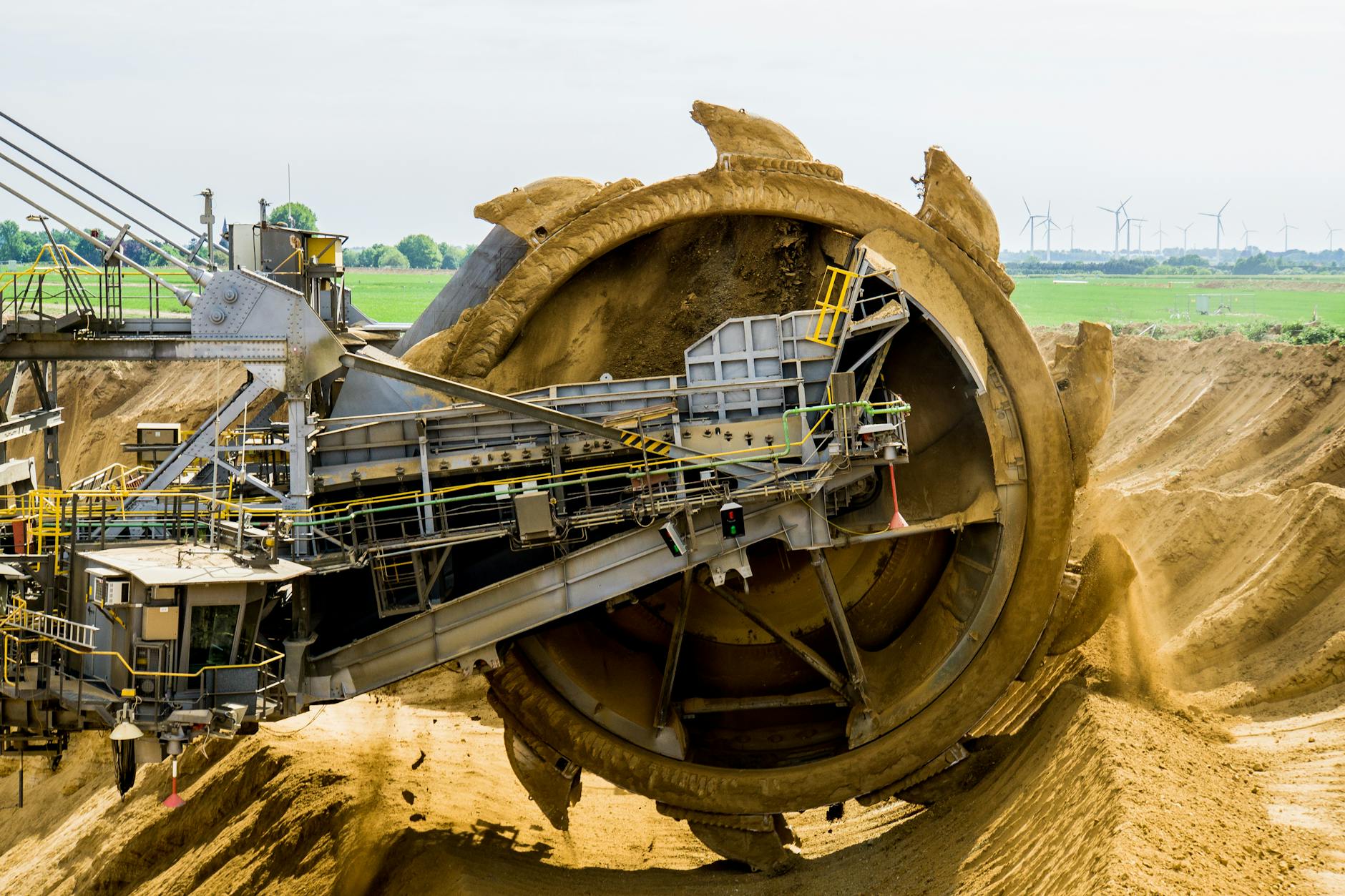
The sector’s improved financial position comes at a crucial time. Many mining companies spent years reducing debt and optimizing operations during previous downturns, positioning themselves to benefit fully from the current price environment.
Junior mining companies and exploration firms are experiencing even more dramatic gains, with some stocks doubling as investors search for the next generation of gold producers. This enthusiasm extends to companies developing projects in politically stable jurisdictions, particularly in North America and Australia.
Investment funds focused on precious metals have reported significant inflows, with assets under management in gold-focused ETFs reaching levels not seen since 2020. This institutional backing provides additional support for mining stock valuations.
Geopolitical Factors Drive Strategic Stockpiling
The acceleration in central bank gold purchases reflects broader geopolitical tensions and economic uncertainties. Countries are building strategic reserves as insurance against currency volatility and potential financial sanctions.
Russia’s exclusion from the SWIFT banking system and subsequent economic restrictions have demonstrated the vulnerability of holding reserves in traditional currencies. This lesson hasn’t been lost on other nations, particularly those with complex geopolitical relationships.
Middle Eastern countries, flush with oil revenues, are diversifying their sovereign wealth funds to include greater gold exposure. The United Arab Emirates and Saudi Arabia have both increased their precious metals allocations, though specific purchase amounts remain confidential.
India’s central bank continues its steady accumulation program, viewing gold as both an inflation hedge and cultural store of value. The Reserve Bank of India’s purchases support not just international miners but also domestic gold demand, creating a multiplier effect throughout the supply chain.
These strategic considerations suggest central bank buying will persist regardless of short-term price movements, providing mining companies with confidence to invest in long-term capacity expansion.

Industry Outlook Remains Optimistic Despite Challenges
While mining companies celebrate improved market conditions, they face ongoing operational challenges including labor shortages, environmental regulations, and energy costs. However, higher gold prices provide the financial cushion needed to address these issues effectively.
Environmental, social, and governance considerations are becoming increasingly important for mining companies seeking institutional investment. Firms demonstrating strong ESG practices are commanding premium valuations as investors prioritize sustainable operations.
The technology sector’s demand for gold in electronics and semiconductors adds another layer of support beyond central bank purchases. As digital infrastructure expands globally, industrial gold consumption continues growing, creating additional price stability.
Looking ahead, analysts expect central bank gold purchases to remain elevated through 2024 and potentially beyond. This sustained demand, combined with limited new mine development and the long lead times required for production increases, suggests favorable conditions for established mining companies will persist.
The current rally in gold mining stocks reflects more than temporary market enthusiasm – it represents recognition of a fundamental shift in how institutions view precious metals. As rising interest rates reshape investment strategies across asset classes, gold’s role as a portfolio stabilizer becomes increasingly valuable. For mining companies with strong operations and strategic reserves, the golden age may just be beginning.
Frequently Asked Questions
Why are central banks buying so much gold now?
Central banks are diversifying reserves away from traditional currencies due to geopolitical tensions and concerns about currency stability.
Which gold mining stocks are performing best?
Major miners like Newmont and Barrick Gold are leading gains, with increases of 15-25% over the past month.