




The Quiet Art of Selling Less for More
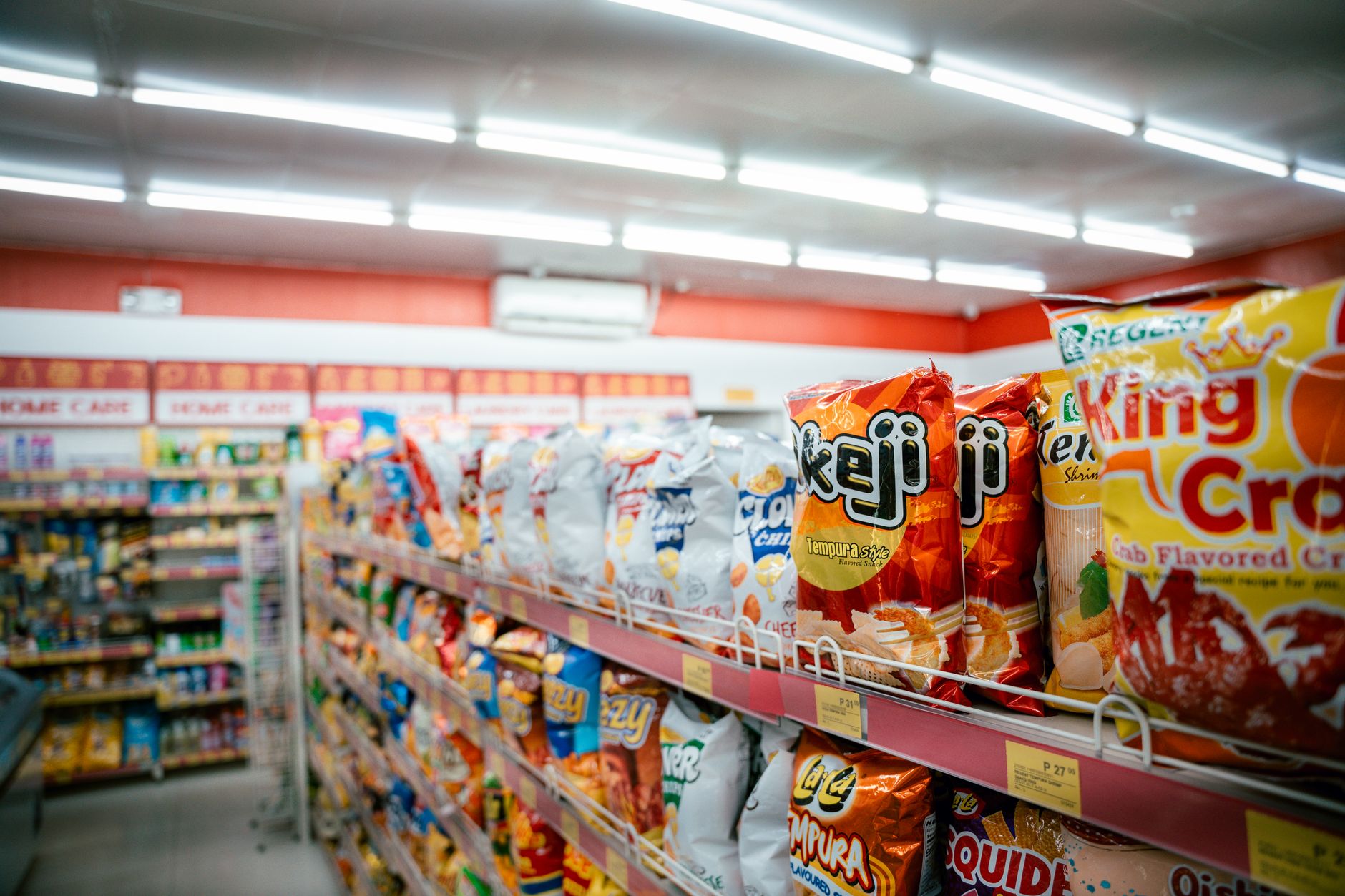
Shrinkflation has never been subtle to anyone paying attention at the register, but the pace at which packaged food companies are trimming product sizes has accelerated noticeably over the past year. Chip bags that once held 16 ounces now hold 13. Cereal boxes carry the same graphic design but contain fewer servings. Yogurt containers have shaved an ounce here, a tablespoon there – small enough that most shoppers only notice when they reach the bottom of the container faster than expected.
What is driving this acceleration is not corporate greed in some abstract sense but a very concrete squeeze on margins. Input costs – from cocoa and wheat to aluminum packaging and diesel freight – remain elevated even as headline inflation has cooled. Companies that raised prices aggressively in 2022 and 2023 are now finding that consumers have hit a wall. They cannot keep raising sticker prices without losing shelf space to store brands. So they are cutting quantity instead, betting that most shoppers track price per package rather than price per ounce.
Why Margins Are Still Under Pressure
The assumption entering 2024 was that commodity relief would follow the Federal Reserve’s rate hiking cycle and that food manufacturers would see input costs normalize. That has happened in some categories – vegetable oils softened, some grain prices pulled back – but the relief has been uneven and often offset by rising labor costs at processing facilities. Wage gains in food manufacturing have outpaced the broader economy, and many plants that deferred maintenance during the supply chain chaos of 2021 and 2022 are now facing capital expenditure demands they cannot postpone further.
Packaging costs, in particular, have not come down the way manufacturers hoped. Glass, aluminum, and flexible plastic all carry embedded energy costs, and energy prices remain volatile enough that any budget modeling built on stable input assumptions is probably outdated within a quarter. Meanwhile, retail grocery chains – themselves under margin pressure – are demanding better trade promotion terms and threatening to expand private-label programs if branded manufacturers do not cooperate. The result is a manufacturer caught between higher production costs and retailers unwilling to absorb price increases on the shelf.
Pork belly futures have added another layer of complexity for manufacturers whose product lines depend on processed meat components. Hog herd contraction has kept pork derivative costs unpredictable, making it harder for snack and prepared food companies to lock in forward contracts at favorable rates. The knock-on effect shows up in everything from frozen breakfast sandwiches to flavored crackers that use pork-based seasonings.
How Brands Are Hiding the Math
The mechanics of shrinkflation rely on consumer psychology more than accounting tricks. Manufacturers understand that most shoppers anchor on the price they see, not the weight printed in small type near the bottom of the label. A $4.99 bag of pretzels that went from 14 ounces to 12 ounces is, functionally, a price increase of nearly 17 percent – but it does not show up that way in inflation metrics that track the sticker price of named products. The Bureau of Labor Statistics does adjust for package size changes in its Consumer Price Index calculations, but the adjustment lag means real-time inflation data often understates what consumers are actually paying per unit of food.
Beyond size reduction, brands are also using reformulation as a margin tool. Replacing a portion of a more expensive ingredient with a cheaper substitute – less cocoa solids, more cocoa flavoring; less real cheese, more cheese powder – technically keeps the recipe intact while reducing the cost of goods. This is harder to track than simple weight reduction, and it rarely triggers regulatory scrutiny unless the label makes a specific ingredient claim that is no longer accurate.
The Consumer Response and What It Signals
Shoppers are not oblivious. Store brand penetration across grocery categories has been climbing, and that trend has gained real momentum in categories where branded manufacturers have been most aggressive with shrinkflation. When a national brand reduces its cookie count from 42 to 36 and the store brand maintains its count at 40 for a lower price, the consumer math becomes hard to ignore. Retail data has shown private label share gains in cookies, crackers, frozen meals, and dairy – categories that were once considered loyal to national brands because of taste differentiation.
Social media has accelerated consumer awareness in ways that were not a factor during previous shrinkflation cycles. A single viral post comparing two versions of the same product, separated by a year and a few ounces, can generate enough attention to force a brand response. Several manufacturers have quietly reversed size reductions in specific markets or SKUs after facing sustained online criticism, though they rarely acknowledge the connection publicly. The reputational cost of getting caught is becoming a real variable in product development decisions.
What this means for the broader packaged food sector is a slow erosion of brand pricing power that is not easy to reverse. Companies that built decades of consumer loyalty on product consistency are now asking shoppers to pay more per ounce for a smaller amount of a product that may have been quietly reformulated. Loyalty is not infinite, and the private label manufacturers waiting on the other side of that calculation have invested heavily in quality improvements over the past decade. Store brand chips, cereals, and frozen meals are no longer the obvious inferior option they once were.
The question that matters for investors watching large packaged food stocks is whether current margin management through shrinkflation is buying time for a structural fix or simply delaying a reckoning. If input costs stabilize and companies can grow into their current price-per-ounce economics, the strategy might look smart in retrospect. But if consumers continue migrating to store brands – and if retailers keep expanding private label programs in direct response to manufacturer behavior – the branded food industry may find it has trained a generation of shoppers to stop caring about the logo on the box.

For the consumer standing in the cereal aisle, the immediate math is simple: the box costs the same, there is less in it, and the store brand is two feet to the left.
Frequently Asked Questions
What is shrinkflation and how does it affect grocery shoppers?
Shrinkflation is when manufacturers reduce product size without lowering the price, effectively raising the cost per unit while keeping the sticker price stable.
Why are food companies using shrinkflation instead of raising prices directly?
Direct price increases are more visible to consumers and can trigger retailer resistance. Reducing package size achieves the same margin improvement with less immediate consumer backlash.