
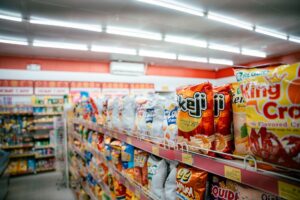




Shrinkflation – the practice of reducing product size while keeping prices the same or raising them – has quietly become one of the most consistent sources of consumer frustration at the grocery store. Now, with the Consumer Financial Protection Bureau pulling back on enforcement and oversight, shoppers have fewer formal channels to escalate their complaints, and food manufacturers have fewer reasons to stop.
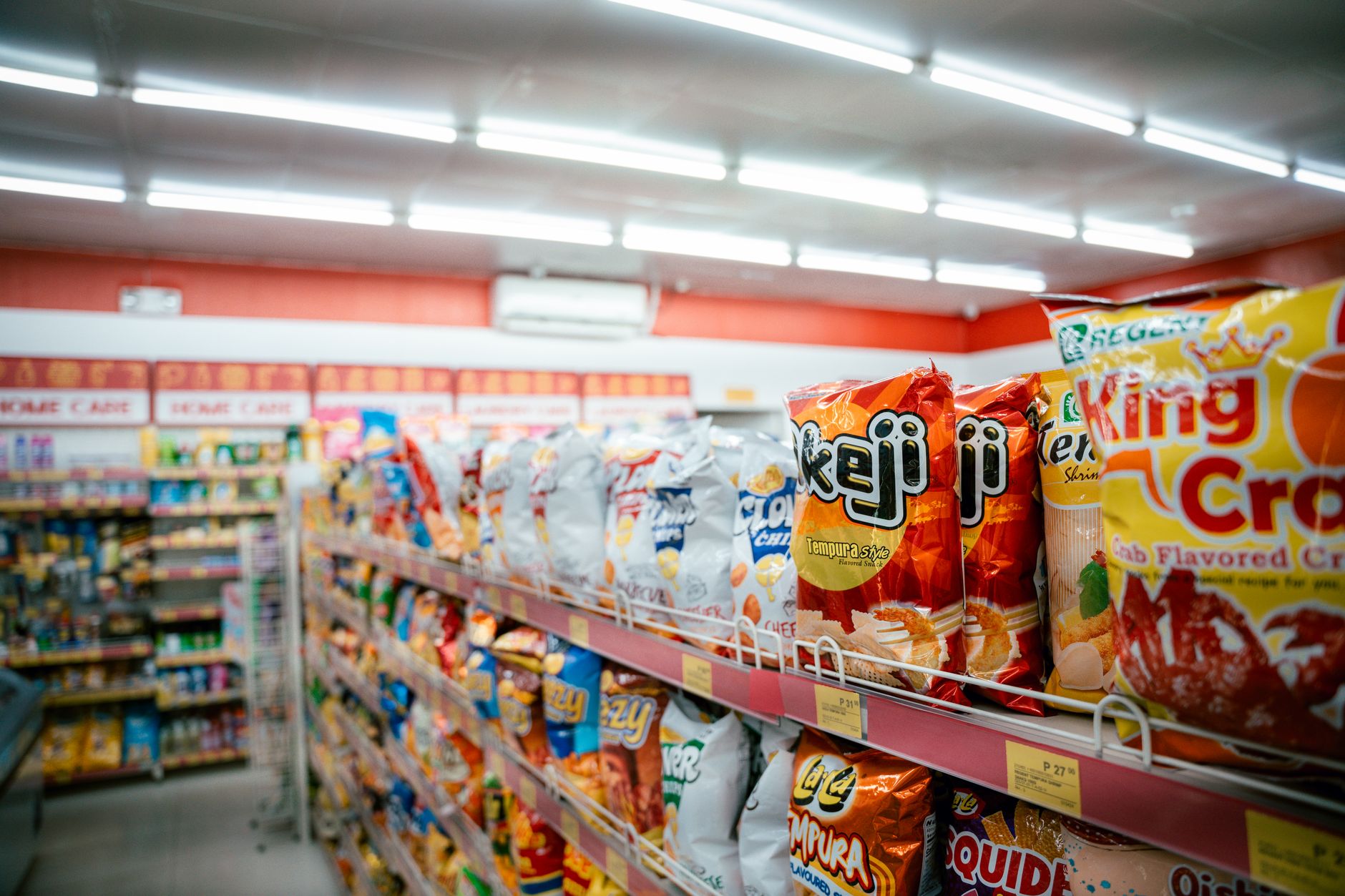
Smaller Packages, Same Price Tags
The mechanics of shrinkflation are straightforward. A bag of chips that once held 12 ounces now contains 10.5. A container of yogurt drops from 6 ounces to 5.3. The package often looks identical – same colors, same branding, same shelf placement – but the unit price has crept upward without any visible price change on the sticker. Shoppers who don’t calculate per-unit costs rarely notice until they’re halfway through a bag that seems to run out faster than it used to.
This isn’t new behavior from food manufacturers. Shrinkflation accelerates during periods of high input costs – when commodity prices, packaging materials, and logistics expenses squeeze margins. Rather than raise the listed price and risk consumer backlash, brands quietly reduce the fill. It’s a bet that most shoppers won’t do the math, and historically, that bet has paid off. What’s changed now is the volume and visibility of complaints, and the question of who, if anyone, is formally collecting and responding to them.
Consumer advocacy groups have tracked a notable uptick in shrinkflation complaints across grocery categories since 2022, with particular concentration in snacks, dairy, breakfast cereals, and household staples like paper towels and cleaning supplies. The complaints share a common thread: shoppers feel deceived not because the product changed dramatically, but because the pricing signal they relied on – the sticker price – became functionally misleading. A $4.99 price held stable for two years while the product inside shrank three times is, in practical terms, a price increase of 20 to 30 percent, even if no price sign ever changed.
Congress has taken occasional notice. Senator Bob Casey led a Senate inquiry in 2024 that named specific brands and products, generating headlines and some public pressure on manufacturers. But naming and shaming without regulatory teeth attached produces limited results. A few companies issued defensive statements. None changed their packaging back. The political moment passed without any formal mechanism for ongoing accountability.

The CFPB’s Retreat and What It Leaves Behind
The CFPB was never the primary regulator for grocery pricing – that role falls more naturally to the Federal Trade Commission. But the bureau’s broader mandate around unfair, deceptive, or abusive acts and practices gave it at least theoretical standing to engage with consumer complaints about misleading pricing presentation. More practically, the CFPB’s complaint database served as a visible, public record of what consumers were reporting and where problems were concentrated. As the bureau’s leadership has shifted and its operational scope contracted under the current administration, that complaint infrastructure has become less active and less responsive.
The withdrawal matters beyond the CFPB’s direct jurisdiction. When a federal consumer protection body is visibly scaling back, it sends a signal across the regulatory ecosystem. State attorneys general, who often use federal complaint data to identify patterns worth investigating, have less to work with. Advocacy organizations that rely on the bureau’s public-facing complaint data to build cases lose a key source. And the informal deterrent effect – manufacturers and retailers being aware that consumer complaints are being aggregated and potentially reviewed – weakens. The practical result is a quieter regulatory environment at precisely the moment when consumers are most agitated about grocery costs.
The FTC retains authority here, and has shown some interest in deceptive pricing practices broadly. But the commission is managing a wide portfolio of competition and consumer protection issues, and grocery shrinkflation – diffuse, hard to litigate, and affecting many companies simultaneously – is a difficult enforcement target. Proving deceptive intent behind a package size reduction requires more than showing the package got smaller. Manufacturers can and do argue that reformulations, ingredient changes, or cost pressures justify size adjustments, and that unit pricing labels in grocery stores provide consumers all the disclosure they need.
Unit pricing, in theory, solves the problem. If every shelf tag shows cost per ounce, consumers have the information they need to compare across sizes and across brands. In practice, unit pricing laws vary by state, exemptions are common, and the formatting of unit price information on shelf tags is often small, inconsistent, and easy to overlook. A shopper in a hurry making thirty purchasing decisions in a single grocery run is not running per-unit calculations on every item. The system places full responsibility on the consumer while giving manufacturers maximum flexibility on how to present price changes.
For households already managing tight grocery budgets, the cumulative effect of shrinkflation is meaningful. SNAP benefit structures that lag behind real food costs compound the problem – when benefit amounts don’t keep pace with effective price increases hidden inside smaller packages, purchasing power erodes faster than the official numbers suggest. The households least able to absorb surprise cost increases are often the least equipped to track shrinkflation across dozens of product categories.

Who Fills the Gap
Some state-level consumer protection offices have begun fielding shrinkflation complaints more actively, and a handful of state legislators have introduced bills requiring clearer package size change disclosures. None of these efforts have reached the scale or enforcement capacity of a functioning federal consumer protection apparatus. Private litigation is theoretically possible – class action attorneys have pursued deceptive packaging cases before – but these suits are expensive, slow, and limited to the most egregious documented examples rather than the slow-drip of routine size reductions.
The companies most exposed to consumer backlash are the ones with the strongest brand loyalty to protect. A store-brand yogurt can shrink quietly without consequence. A name-brand cereal that’s been in American households for decades faces more reputational risk if the reduction becomes a viral moment on social media. That asymmetry means shrinkflation pressure will likely continue falling hardest on the premium and mid-tier branded products that consumers trust most – which is, of course, exactly where the betrayal stings sharpest.
Frequently Asked Questions
What is shrinkflation and how does it affect grocery shoppers?
Shrinkflation is when manufacturers reduce product size while keeping prices the same, effectively raising the per-unit cost without changing the price tag shoppers see.
Which agency regulates grocery shrinkflation in the US?
No single agency has clear jurisdiction. The FTC has the broadest authority over deceptive pricing practices, while the CFPB handles consumer complaints more broadly, though both have limited enforcement tools specifically targeting package size reductions.