





The Bulk-Buy Boom
Warehouse clubs are having a moment that goes well beyond pandemic-era stockpiling. After years of creeping grocery prices, a growing number of households are recalculating what value actually looks like at the checkout – and the math keeps pointing toward pallets of paper towels and jumbo jars of peanut butter.

Why Shoppers Are Rethinking Their Grocery Routines
Food prices have not returned to where they were before the inflation surge that started in 2021. Shoppers who once absorbed small price jumps without much thought are now making deliberate choices about where their grocery dollars go. The warehouse club model – annual membership fee, no-frills store design, products sold in large quantities at lower per-unit prices – becomes genuinely attractive when every shopping trip feels like a negotiation.
The membership fee itself changes consumer psychology in a useful way. Once someone has paid to belong, they are motivated to shop there often enough to justify the cost. That dynamic drives foot traffic in a way that loyalty points and digital coupons rarely match. A shopper who visits a traditional grocery store might comparison shop across four different chains in a week. A warehouse club member tends to consolidate – and that consolidation is exactly what operators want.
Costco, Sam’s Club, and BJ’s Wholesale Club have each reported membership growth over recent quarters, with Costco’s membership renewal rates consistently above 90 percent in North America. That kind of retention is unusual in retail. It suggests the clubs are not just attracting new members during a period of tight household budgets – they are keeping them once conditions stabilize, because the habit of bulk buying becomes entrenched. You stop thinking in single units and start thinking in pounds and gallons.
The economics work differently for different household types. A family of four buying chicken thighs in a 10-pound pack at $2.49 per pound versus $4.99 per pound at a conventional supermarket saves real money over the course of a year – enough to cover the membership fee many times over. Single-person households face a different calculation, since bulk quantities spoil before they’re used. But even there, the shift toward shared memberships among roommates, or warehouse clubs adding smaller-format private-label items, is widening the appeal beyond the traditional suburban family demographic.

The Business Model That Thrives on Tight Times
Warehouse clubs operate on a fundamentally different margin structure than conventional grocery chains. Traditional supermarkets make money on product margins – marking up goods to cover overhead, staff, and profit. Warehouse clubs run their retail operations at near-breakeven and collect profit primarily from membership fees. That structure makes them unusually resilient when consumers get price-sensitive, because the clubs can afford to keep per-unit prices low without sacrificing their financial model.
Private-label products are a key part of the strategy. Costco’s Kirkland Signature line has built a reputation for quality that rivals or beats national brands in categories from olive oil to cashmere sweaters. When shoppers are already inclined to trust the store label, the club format reinforces that trust by framing private-label products as the insider choice rather than the budget fallback. The framing matters – “buying the good stuff at a good price” lands very differently than “buying the store brand because you can’t afford the real thing.”
The inflationary period has also pushed warehouse clubs to expand fresh and perishable sections more aggressively. Historically, these stores leaned heavily on shelf-stable and frozen goods. But adding better produce sections, expanded bakery areas, and refrigerated prepared meals addresses one of the main reasons shoppers would still visit a conventional grocery store. Every category a warehouse club captures is a trip to a competitor that doesn’t happen. With tariff uncertainty continuing to pressure supply chains and input costs, the ability to buy at volume and pass savings directly to members gives clubs a structural pricing advantage that smaller grocery operators struggle to match.
Warehouse clubs are also benefiting from the ongoing consolidation of household errands. Filling a gas tank at a Costco pump, grabbing prescription medications, buying tires, and doing a full month of grocery shopping in a single two-hour stop appeals to time-pressed households – and fuel discounts at club pumps have become a meaningful draw as gas prices remain elevated relative to pre-2021 levels. The value proposition is no longer just about food. It’s about collapsing multiple errands into one membership.
The digital layer is catching up too. Warehouse clubs spent years lagging conventional grocers on e-commerce and delivery. That gap has narrowed substantially, with same-day delivery partnerships and improved apps making bulk ordering more practical for urban households who don’t own a car large enough to haul a flat of sparkling water. Removing the logistical friction of warehouse shopping – the distance, the cart wrestling, the parking lot – extends the model’s reach into demographics it historically underserved.
Pressure on Conventional Grocers
Traditional supermarket chains are watching this shift carefully. Some are responding by expanding their own private-label lines, pressing suppliers harder on wholesale pricing, and redesigning store layouts to emphasize value. But matching a warehouse club on per-unit pricing is structurally difficult when your overhead model is built around more staff, more SKUs, and shorter shelf life. The warehouse club format is not easily replicated at a smaller footprint.
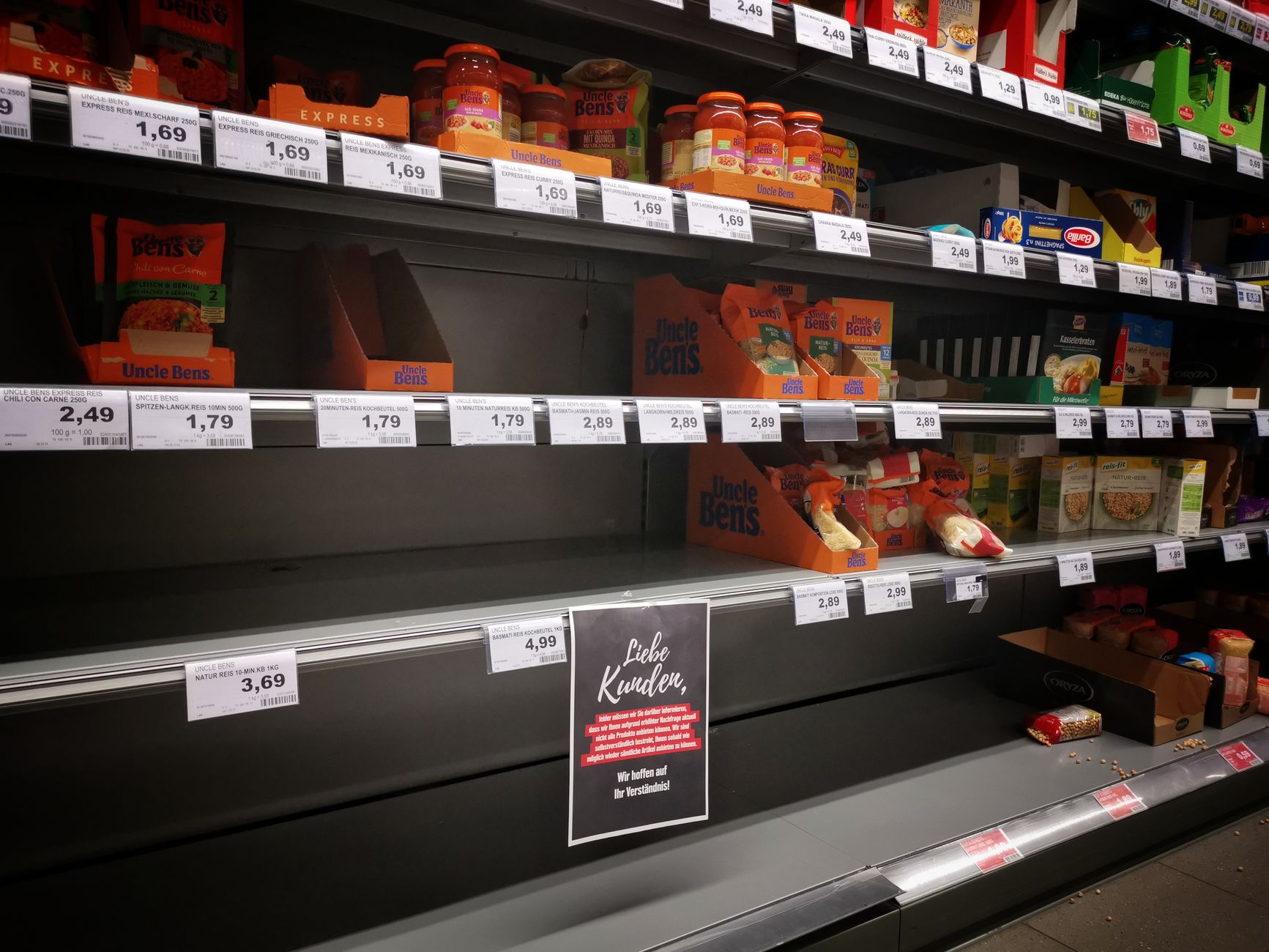
The longer inflation fatigue persists, the more deeply shopping habits entrench around value-first thinking. A shopper who switches to a warehouse club during a period of high prices and stays because the habit proves convenient is a customer the conventional grocer has effectively lost – not to a competitor down the street, but to a fundamentally different retail format. Whether conventional chains can articulate a clear value proposition beyond convenience and variety is the question that will define the next few years of grocery competition.
Frequently Asked Questions
Why are warehouse clubs growing during periods of high inflation?
Warehouse clubs sell goods at lower per-unit prices in bulk, making them attractive when household budgets are tight. Their profit model relies on membership fees rather than product margins, so they can keep prices lower than conventional grocers.
Is a warehouse club membership worth it for smaller households?
It depends on consumption habits. Single-person households may struggle to use bulk quantities before items spoil, but shared memberships among roommates and expanded smaller-format private-label items are making the value case more viable for smaller households.