





Square Footage Is the New Sticker Shock
For decades, the American housing market operated on a simple premise: bigger was better, and buyers would stretch their budgets to get there. That logic is breaking down. With mortgage rates holding at levels not seen since the early 2000s and median home prices still elevated across most major metros, homebuilders are making a calculated retreat – cutting square footage to keep entry-level price points within reach of a buyer pool that has been shrinking for three straight years.
The shift is showing up in new construction data, in architectural floor plans, and in the marketing language builders are now using to describe homes that, a decade ago, would have been considered starter units at best. The word “efficient” is doing a lot of heavy lifting right now. So is “right-sized.” What both terms really mean is: we made it smaller, and we need you to be okay with that.
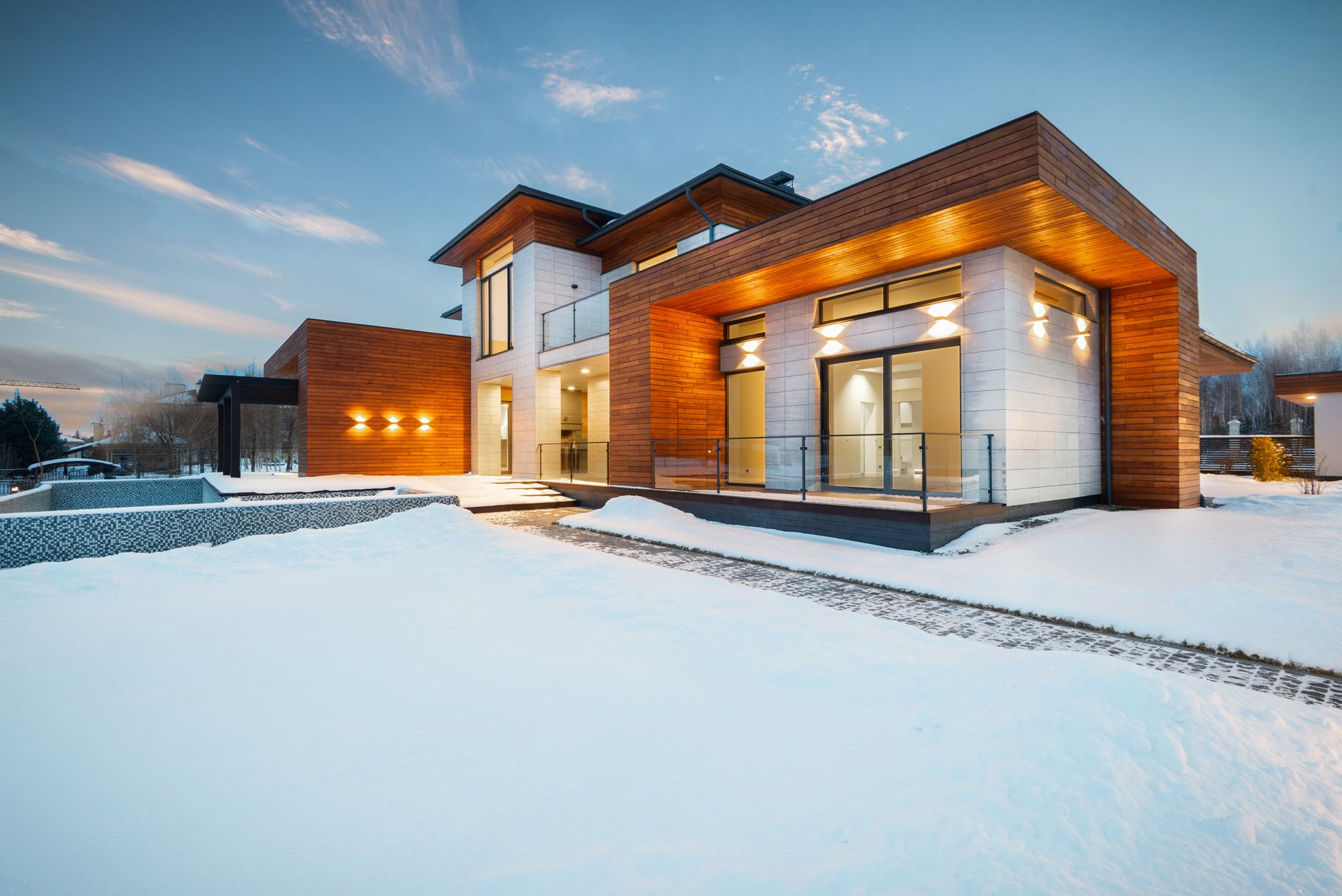
The Economics Behind the Shrink
Building costs have not returned to pre-2021 levels. Labor remains tight in most construction markets, lumber prices have stabilized but not dropped meaningfully, and land costs in desirable suburban corridors have continued rising as available lots disappear. When a builder can not reduce costs on the input side, the only lever left is reducing the size of what gets built. A 1,600-square-foot home on the same lot, using the same crew, with the same permitting timeline, simply costs less to produce than a 2,200-square-foot home. That savings – even if only partial – can be passed to the buyer in the form of a lower base price.
The math matters because monthly payments are what actually close sales. A $40,000 reduction in purchase price at current interest rates translates to roughly $250 less per month on a 30-year fixed mortgage. For a buyer already stretching to qualify, that gap is the difference between an approval and a rejection. Builders understand this arithmetic better than anyone, which is why the floor plan decisions happening in design centers right now will determine who actually gets into a new home over the next two to three years.
Some builders are also eliminating rooms that buyers historically expected but now rarely use – formal dining rooms, dedicated home offices with double doors, bonus loft spaces. Instead, open-concept layouts are being pushed harder not just for aesthetic reasons, but because they allow a smaller total footprint to feel functional. A 1,500-square-foot home with no wasted hallway space and a combined kitchen-living area reads differently on a showing than a 1,500-square-foot home with a traditional compartmentalized layout. Perception of space, it turns out, can be engineered cheaply.
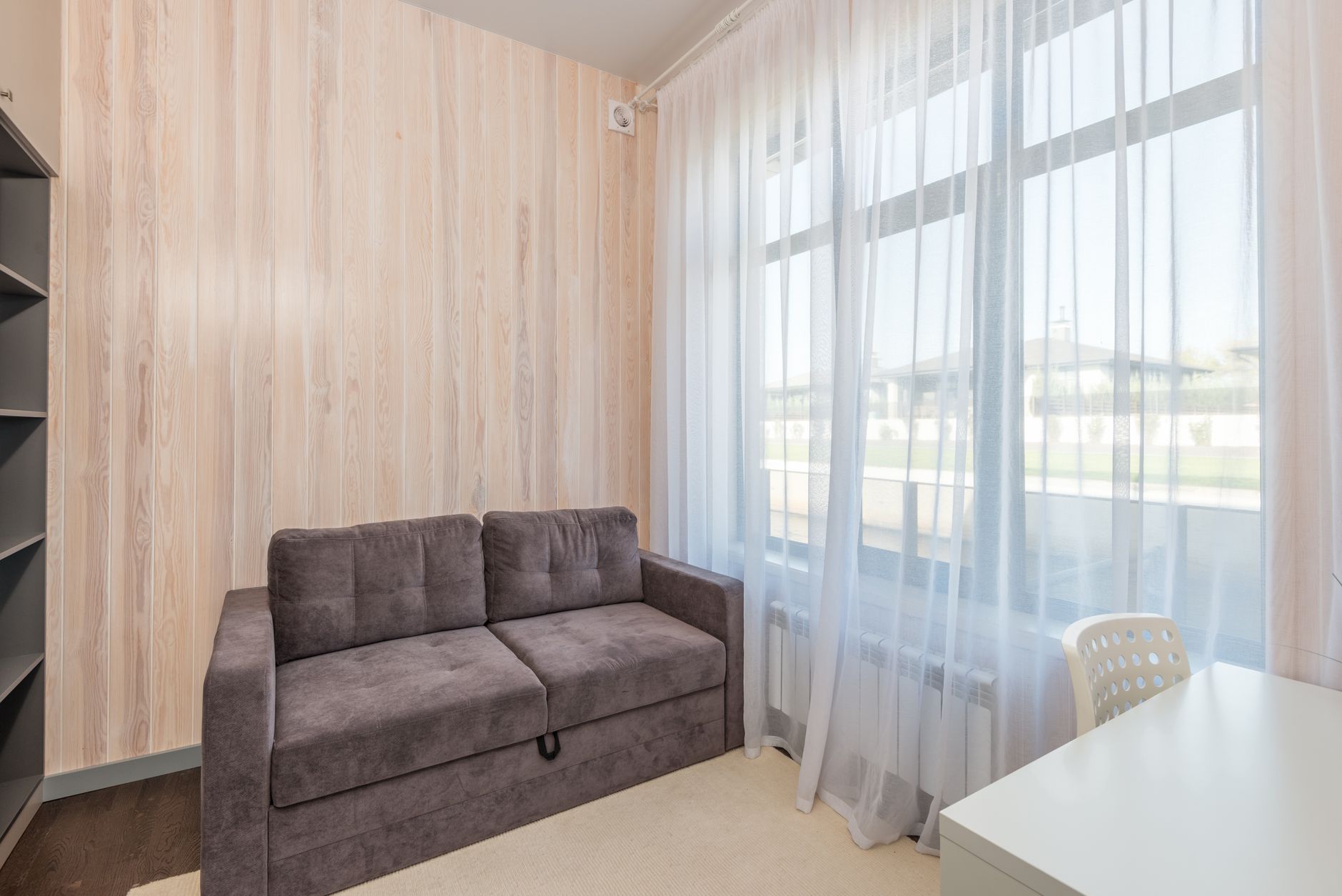
Who Is Actually Buying
The buyer profile for these smaller new builds skews younger and more financially constrained than the typical move-up buyer who dominated new construction purchases through most of the 2010s. First-time buyers, many of them millennials who delayed homeownership through a decade of rising rents and student debt, are now entering the market with down payments scraped together over years – not the equity windfalls that made trading up easy for previous generations.
Single-income households and smaller families are also driving demand for compact floor plans in a way that was not as visible when two-income households with higher combined earnings had more flexibility. The traditional assumption that a young couple would eventually need four bedrooms for a growing family is no longer the baseline builders can safely design toward. Household formation patterns have changed enough that a two-bedroom, two-bath home with a small yard is genuinely the end-state for a growing segment of buyers, not a stepping stone.
Design Trade-Offs and Long-Term Questions
Reducing square footage is not without trade-offs that will play out over years. Resale value on smaller new builds in markets where larger homes remain the norm is harder to predict. A buyer purchasing a 1,400-square-foot new construction home in a neighborhood full of 2,400-square-foot resales may face appraisal challenges and a narrower buyer pool when they eventually sell. Builders selling those homes today are not responsible for what happens in 2031, but buyers probably should be thinking about it.
Storage is also a real and underappreciated casualty of the smaller floor plan push. Closet space, garage size, and pantry dimensions are among the first things to get trimmed in value-engineering exercises. These cuts rarely make headlines, but they affect daily livability in ways that square footage totals do not capture. A buyer walking a model home in 2024 may not notice the reduced linen closet until they are trying to fit their household into the space six months after closing.
There is also a supply-side irony at work. The affordability crisis that is driving demand for smaller homes was itself partly created by a decade of underbuilding, during which the industry focused heavily on higher-margin luxury and move-up product. Now that builders are pivoting to entry-level construction, they are doing so at a moment when tariff pressures on imported materials are straining domestic manufacturing capacity, adding yet another layer of cost uncertainty to projects already operating on thin margins. The pivot to smaller is necessary, but the conditions under which it is happening are not exactly favorable.

The deeper tension is that shrinking homes addresses the symptom – high purchase prices – without touching the underlying drivers of housing unaffordability: land use restrictions, permitting timelines that stretch 12 to 18 months in some jurisdictions, and a mortgage rate environment that has not meaningfully loosened. A builder can cut 400 square feet from a floor plan and still produce a home that is financially out of reach for the median household income in most American cities. At some point, the floor plan can not get any smaller without the product ceasing to function as a family home. That ceiling is closer than the industry wants to admit.