




Goldman Sachs traders once ruled trading floors with split-second instincts and decades of market experience. Today, they compete against algorithms that execute thousands of trades per second, analyze global news in milliseconds, and never need coffee breaks. The shift represents the most significant transformation in financial markets since electronic trading began.
Artificial intelligence has moved beyond simple automation to sophisticated decision-making systems that challenge fundamental assumptions about how markets operate. Major investment banks now dedicate billions to AI development, while smaller firms leverage cloud-based trading platforms to compete with established giants. The result is a market where human intuition battles machine precision, and the winners are reshaping Wall Street’s power structure.
Speed Becomes the Ultimate Currency
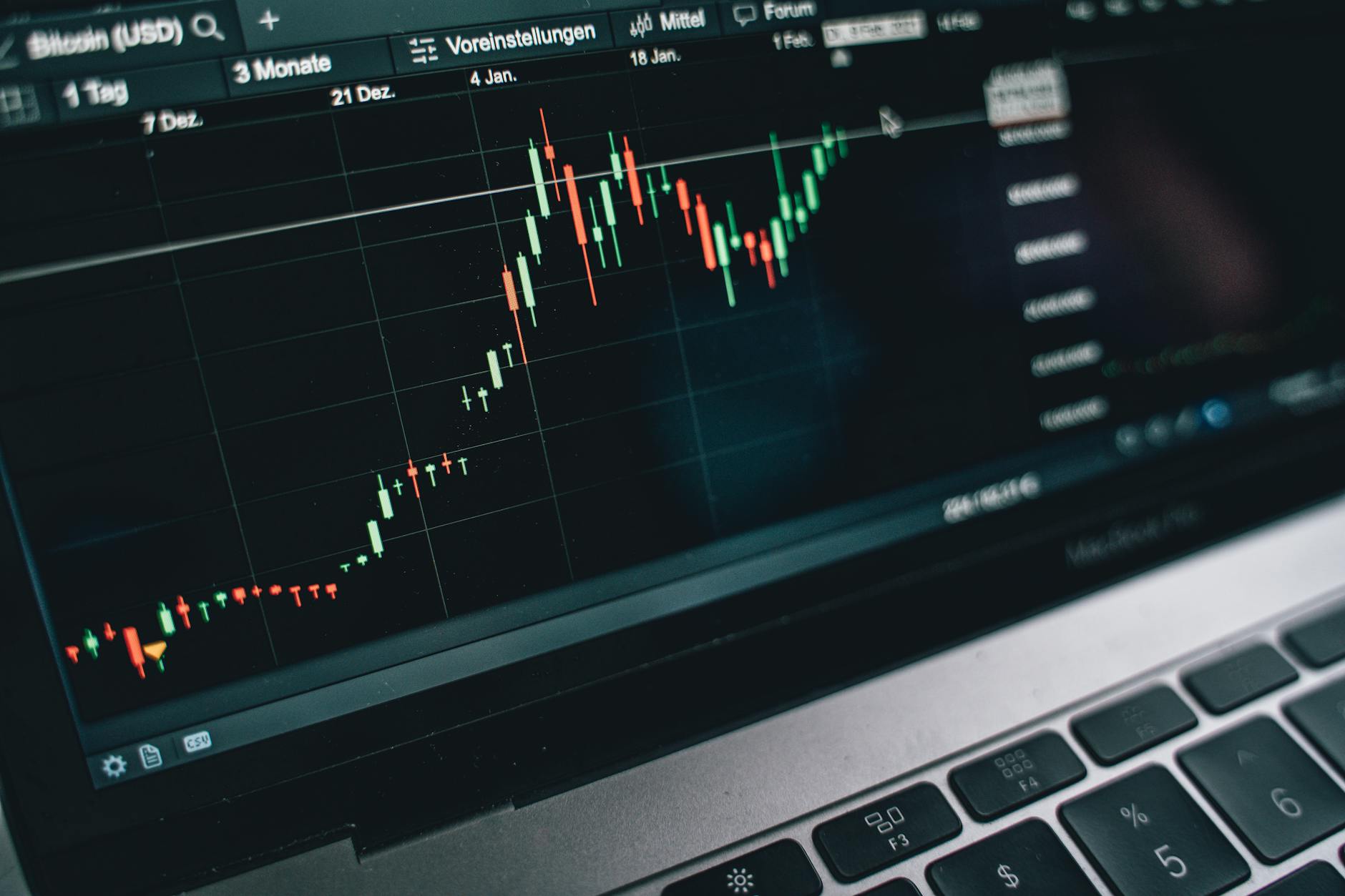
High-frequency trading firms like Renaissance Technologies and Two Sigma have pioneered algorithmic strategies that capitalize on microsecond advantages. These systems process market data, news feeds, and economic indicators faster than any human trader could comprehend, executing trades based on pattern recognition and statistical models refined over years of backtesting.
Traditional investment banks face a stark reality: their human traders, however experienced, cannot match algorithmic speed and consistency. Morgan Stanley, JPMorgan Chase, and Bank of America have invested heavily in their own AI trading systems, but they compete against specialized firms built from the ground up for algorithmic trading.
The speed advantage extends beyond simple execution. Modern AI systems analyze earnings reports, Federal Reserve statements, and geopolitical developments within seconds of publication. They identify correlations across global markets that human analysts might miss, connecting commodity price movements to currency fluctuations to equity sector rotations in real-time.
Market makers now rely on algorithms to provide liquidity across thousands of securities simultaneously. These systems adjust bid-ask spreads dynamically based on volatility, volume, and risk exposure, maintaining market stability while generating consistent profits from small price differences.
Risk Management Revolution
AI trading systems excel at risk management through continuous portfolio monitoring and automatic position adjustments. Unlike human traders who might hold losing positions hoping for reversals, algorithms execute stop-losses and rebalance portfolios based on predetermined parameters, removing emotional decision-making from the equation.
Machine learning models analyze historical market crashes, identifying early warning signals that preceded major downturns. These systems can reduce portfolio exposure or shift to defensive positions when multiple risk indicators align, potentially avoiding significant losses during market volatility.
Credit Suisse’s 2021 collapse highlighted risks in traditional risk management, but AI-driven systems at competing firms demonstrated superior crisis response. Algorithms automatically reduced exposure to overleveraged counterparties and problematic sectors, while human-managed portfolios suffered larger losses.
Regulatory compliance benefits from AI automation as well. Trading algorithms maintain detailed audit trails, automatically flag suspicious patterns, and ensure adherence to position limits and regulatory requirements. This reduces compliance costs while minimizing regulatory violations that have cost major banks billions in fines.
The Data Advantage
Alternative data sources give AI trading systems unprecedented market insights. Satellite imagery tracking oil inventory levels, social media sentiment analysis, and credit card transaction data provide real-time economic indicators unavailable to traditional fundamental analysis.
Hedge funds like Bridgewater Associates and AQR Capital Management combine traditional financial data with unconventional sources: shipping traffic patterns, weather data, and consumer behavior metrics. Their algorithms identify trading opportunities by connecting seemingly unrelated data points across global markets.
Natural language processing algorithms scan earnings calls, analyst reports, and news articles to extract sentiment and identify market-moving information. These systems recognize subtle language changes that might indicate management confidence or concern, translating qualitative information into quantitative trading signals.
The data processing capabilities create network effects where firms with better data access and processing power gain compounding advantages. Traditional investment banks must invest heavily in data infrastructure or risk falling behind specialized algorithmic trading firms.
Traditional Firms Fight Back
Established Wall Street firms are not conceding defeat to algorithmic competitors. Goldman Sachs has transformed its trading operations, replacing human traders with engineers and data scientists. The firm’s Marcus digital banking platform and transaction banking services generate vast amounts of data that feed proprietary trading algorithms.
JPMorgan Chase operates one of the world’s largest private clouds, processing trillions of data points daily to support trading operations. The bank’s AI systems handle foreign exchange trades, optimize trade execution, and manage risk across its global operations.
Traditional firms leverage advantages that pure algorithmic traders lack: client relationships, regulatory expertise, and access to primary markets. Investment banks combine AI efficiency with human relationship management, offering institutional clients sophisticated execution services that standalone algorithmic firms cannot match.
Some banks are acquiring fintech companies and hiring talent from technology firms to accelerate their AI capabilities. This talent war has driven compensation for quantitative researchers and AI specialists to levels that compete with major technology companies.

The regulatory environment may also favor established institutions. As regulators scrutinize algorithmic trading practices and systemic risks, traditional banks’ compliance expertise and regulatory relationships could provide competitive advantages over newer algorithmic trading firms.
Market Structure Implications
AI trading algorithms are fundamentally altering market microstructure. Bid-ask spreads have narrowed across most asset classes as algorithmic market makers compete for volume. Trading volumes have increased dramatically, but average trade sizes have decreased as algorithms slice large orders into smaller pieces.
Market volatility patterns have changed as well. How rising interest rates are reshaping cryptocurrency trading volumes demonstrates how algorithmic systems respond differently to market conditions than human traders, creating new volatility patterns and correlation structures.
The concentration of trading activity among algorithmic firms raises systemic risk concerns. If multiple algorithms respond similarly to market stress, their collective actions could amplify volatility rather than provide stabilizing liquidity. Regulators are studying these interconnections to prevent algorithmic-driven market crashes.
Smaller regional banks face particular challenges as algorithmic trading makes markets more efficient but reduces profit margins on traditional trading activities. Regional bank merger wave accelerates as deposit competition intensifies partly reflects these technological pressures forcing consolidation among institutions that cannot invest in advanced trading systems.
The transformation extends beyond equities to fixed income, commodities, and foreign exchange markets. Bond trading, traditionally relationship-driven, increasingly relies on algorithmic price discovery and execution. Currency markets see algorithmic systems arbitraging price differences across global exchanges in milliseconds.
AI trading algorithms represent more than technological advancement – they embody a fundamental shift toward data-driven, systematic approaches to financial markets. Traditional Wall Street firms that adapt successfully will combine algorithmic efficiency with human expertise, creating hybrid models that leverage both machine precision and relationship capital. Those that resist change risk obsolescence in markets where milliseconds determine winners and losers.
Frequently Asked Questions
How fast do AI trading algorithms execute trades compared to human traders?
AI algorithms can execute thousands of trades per second, while human traders typically complete only a few trades per minute at most.
What advantages do traditional Wall Street firms have over algorithmic trading companies?
Traditional firms leverage client relationships, regulatory expertise, and access to primary markets that pure algorithmic traders often lack.