





Downtown Seattle’s Columbia Center once commanded premium rents of $45 per square foot. Today, the same Class A office space struggles to attract tenants at $28 per square foot. This 38% drop exemplifies a seismic shift reshaping commercial real estate across America as remote work transforms how and where business gets done.
The pandemic didn’t just change work habits – it triggered the most dramatic commercial real estate revaluation in decades. Office buildings that once symbolized corporate power now sit partially empty, while suburban retail spaces transform into co-working hubs and logistics facilities experience unprecedented demand.
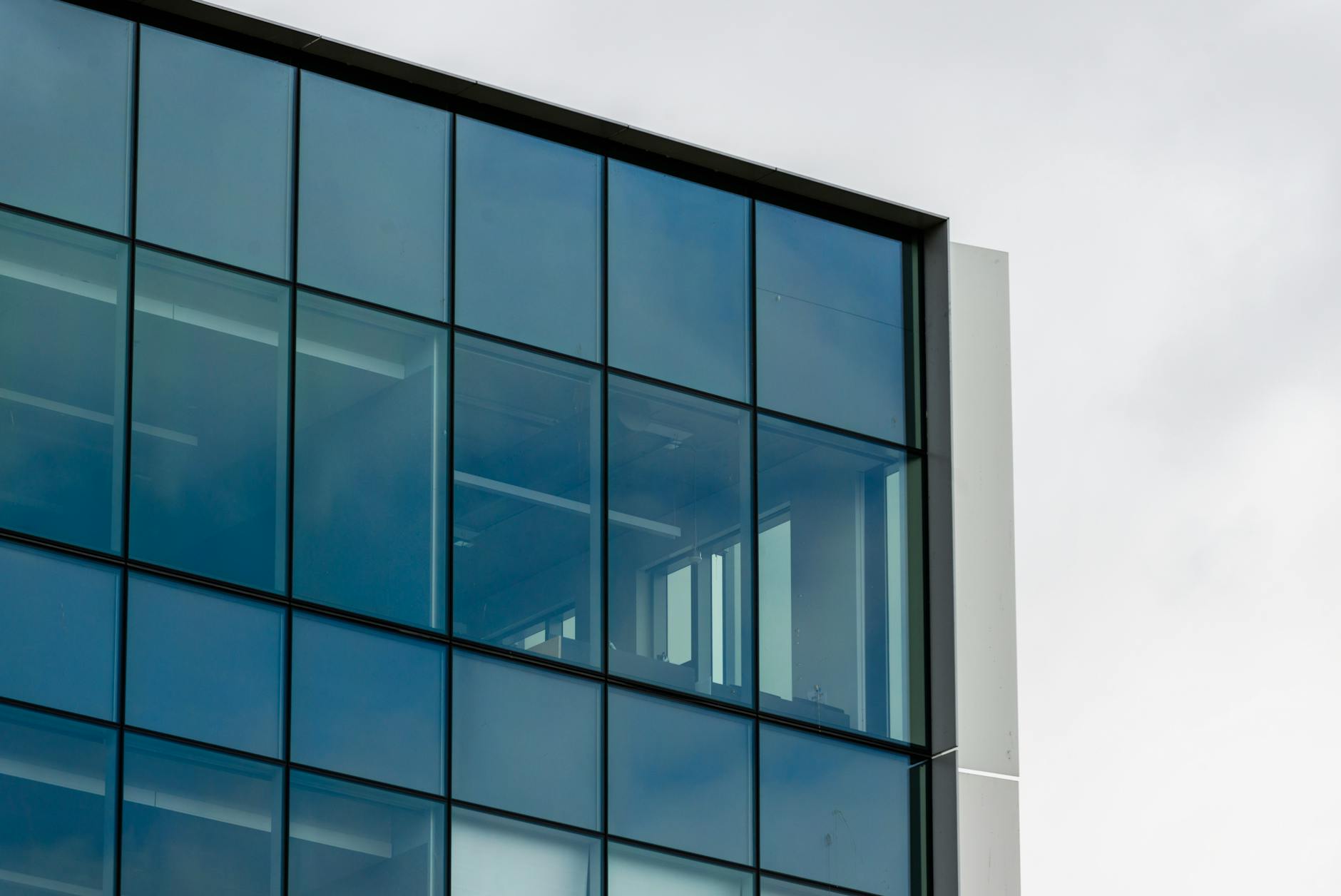
The Great Office Exodus Drives Values Down
Commercial office real estate has taken the biggest hit from remote work adoption. Major metropolitan areas report office occupancy rates hovering between 50% and 70% of pre-2020 levels, with many companies downsizing their physical footprints permanently.
Manhattan, the epicenter of American commercial real estate, tells the story starkly. Average office asking rents dropped from $82.15 per square foot in 2019 to $74.22 per square foot by late 2023, according to Cushman & Wakefield data. More telling than price drops is availability – Manhattan’s office availability rate reached 18.8% in 2023, nearly double pre-pandemic levels.
San Francisco faces even steeper declines. The city’s office vacancy rate hit 35.8% in the third quarter of 2023, with some buildings trading at 50% below their 2019 valuations. Salesforce, once a champion of office culture, subleased 412,000 square feet of space in its own tower, signaling how even tech giants are rethinking real estate needs.
The ripple effects extend beyond headline rent reductions. Property tax assessments lag market reality, creating potential municipal revenue shortfalls. Chicago recently saw office assessments drop 20% across downtown, while Boston anticipates similar reassessments that could impact city budgets for years.
Building owners face a stark choice: accept lower rents or convert properties to alternative uses. Some older Class B and C buildings become candidates for residential conversion, though complex zoning requirements and construction costs make this option viable for only a fraction of distressed properties.
Suburban and Secondary Markets See Mixed Results
While urban cores struggle, suburban office markets experience more nuanced changes. Edge cities and suburban business districts benefit from companies seeking smaller satellite offices closer to where employees actually live.
Austin’s suburban corridors demonstrate this trend. While downtown Austin office occupancy dropped 35%, suburban markets like Domain and Arboretum maintain higher occupancy rates as companies establish neighborhood offices. These “hub and spoke” models let employees work closer to home while maintaining collaborative spaces.
Secondary markets present winners and losers. Cities like Nashville, Charlotte, and Phoenix attract companies relocating from high-cost coastal markets, boosting their commercial real estate values. However, this success often comes at the expense of smaller secondary cities that lack the amenities and infrastructure to compete for relocated businesses.
The co-working sector, initially devastated by pandemic lockdowns, now finds new life in suburban locations. WeWork’s struggles don’t reflect the broader flexible workspace trend – independent operators and regional chains establish smaller facilities in residential neighborhoods, shopping centers, and repurposed retail spaces.
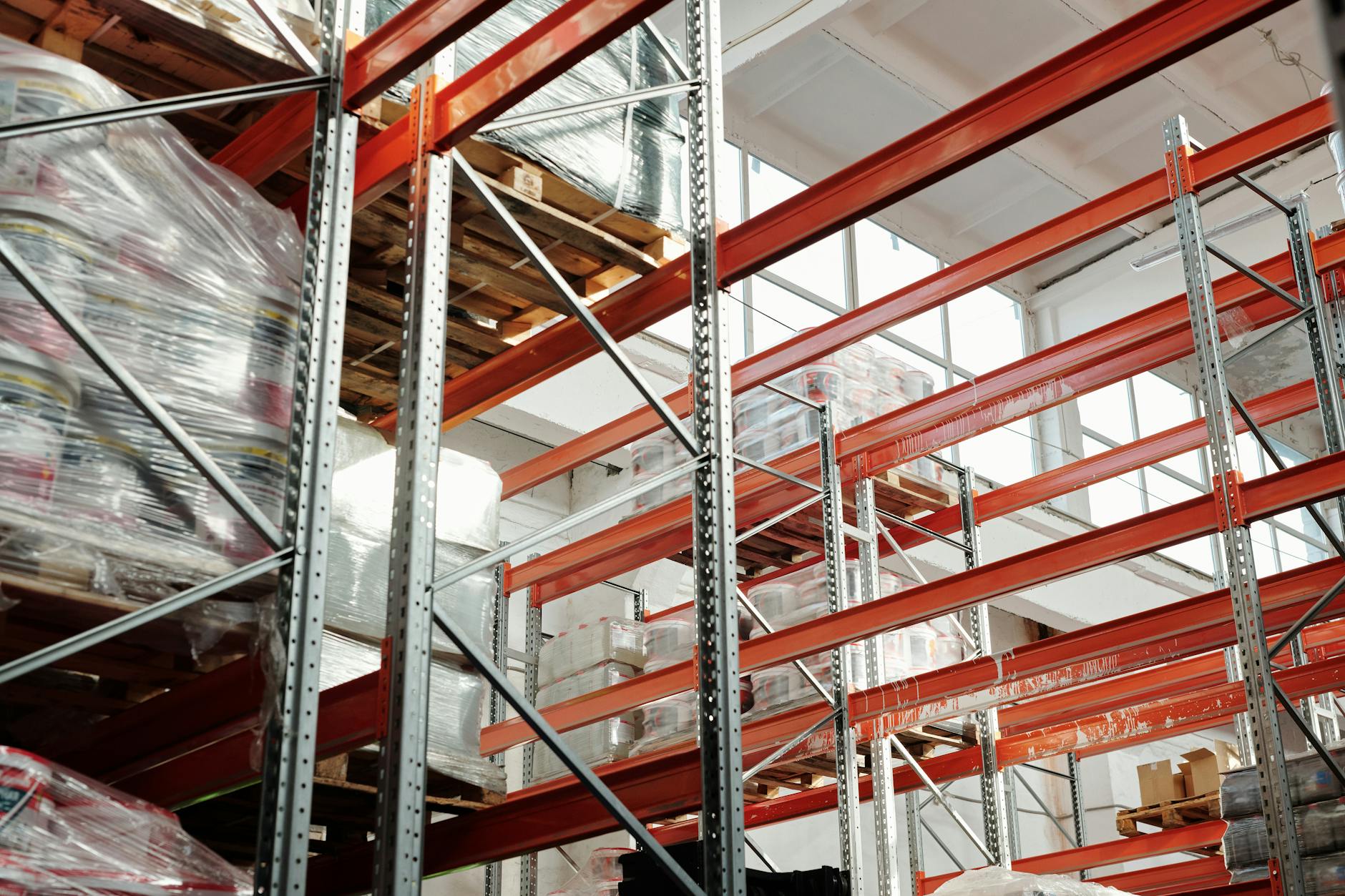
Industrial and Logistics Properties Surge
Remote work’s commercial real estate impact extends beyond offices. The e-commerce boom, accelerated by home-bound consumers, drives unprecedented demand for warehouse and distribution facilities.
Industrial real estate values surged as companies scrambled to meet direct-to-consumer shipping demands. Average industrial asking rents nationwide increased 8.5% year-over-year through 2023, with some markets seeing double-digit growth. The Inland Empire, stretching from Los Angeles to the Arizona border, became ground zero for this warehouse boom.
Last-mile delivery facilities command premium valuations in urban markets. Properties within 30 miles of major population centers trade at significant premiums as Amazon, FedEx, UPS, and emerging delivery companies compete for strategic locations. Former retail spaces near residential areas become prime conversion candidates for micro-fulfillment centers.
The logistics boom creates interesting cross-currents with traditional commercial challenges. Some struggling retail centers find new life as dark stores and fulfillment facilities, while office parks in suburban locations attract light industrial and logistics tenants seeking affordable space with good highway access.
Retail Real Estate Adapts to New Consumer Patterns
Retail commercial real estate faces its own remote work disruption. With fewer commuters traveling to downtown cores, street-level retail in business districts suffers declining foot traffic and sales.
However, neighborhood retail benefits from remote workers spending more time in residential areas. Local coffee shops, fitness studios, and service businesses report stronger performance in suburban and residential neighborhoods as remote workers seek amenities closer to home.
Shopping centers adapt by embracing mixed-use concepts that combine retail, dining, entertainment, and workspace. Legacy retail spaces transform into experiential destinations that serve remote workers seeking social interaction and collaborative environments.
The “15-minute city” concept gains traction as urban planners recognize that remote work changes how people interact with their neighborhoods. This trend could reshape zoning policies and development patterns, potentially boosting values for well-located neighborhood commercial properties while challenging traditional central business district models.
Geographic Arbitrage Reshapes Regional Values
Remote work enables geographic arbitrage that redistributes commercial real estate demand across regions. High-cost coastal cities lose both residents and businesses to markets with lower operating costs and better quality of life metrics.
Miami emerged as a major beneficiary, attracting financial services firms and tech companies from New York and California. Commercial real estate values in Miami’s Brickell district increased significantly as companies established regional headquarters to serve remote teams across the Americas.
Similarly, smaller cities with good infrastructure and amenities experience commercial real estate booms. Boise, Idaho; Austin, Texas; and Raleigh, North Carolina report strong commercial absorption as companies relocate operations or establish satellite offices.
This geographic redistribution creates long-term structural changes that extend beyond cyclical market movements. As global economic challenges emerge, including those outlined in recent analyses of trade war impacts on GDP, companies may accelerate moves to lower-cost markets to maintain competitiveness.
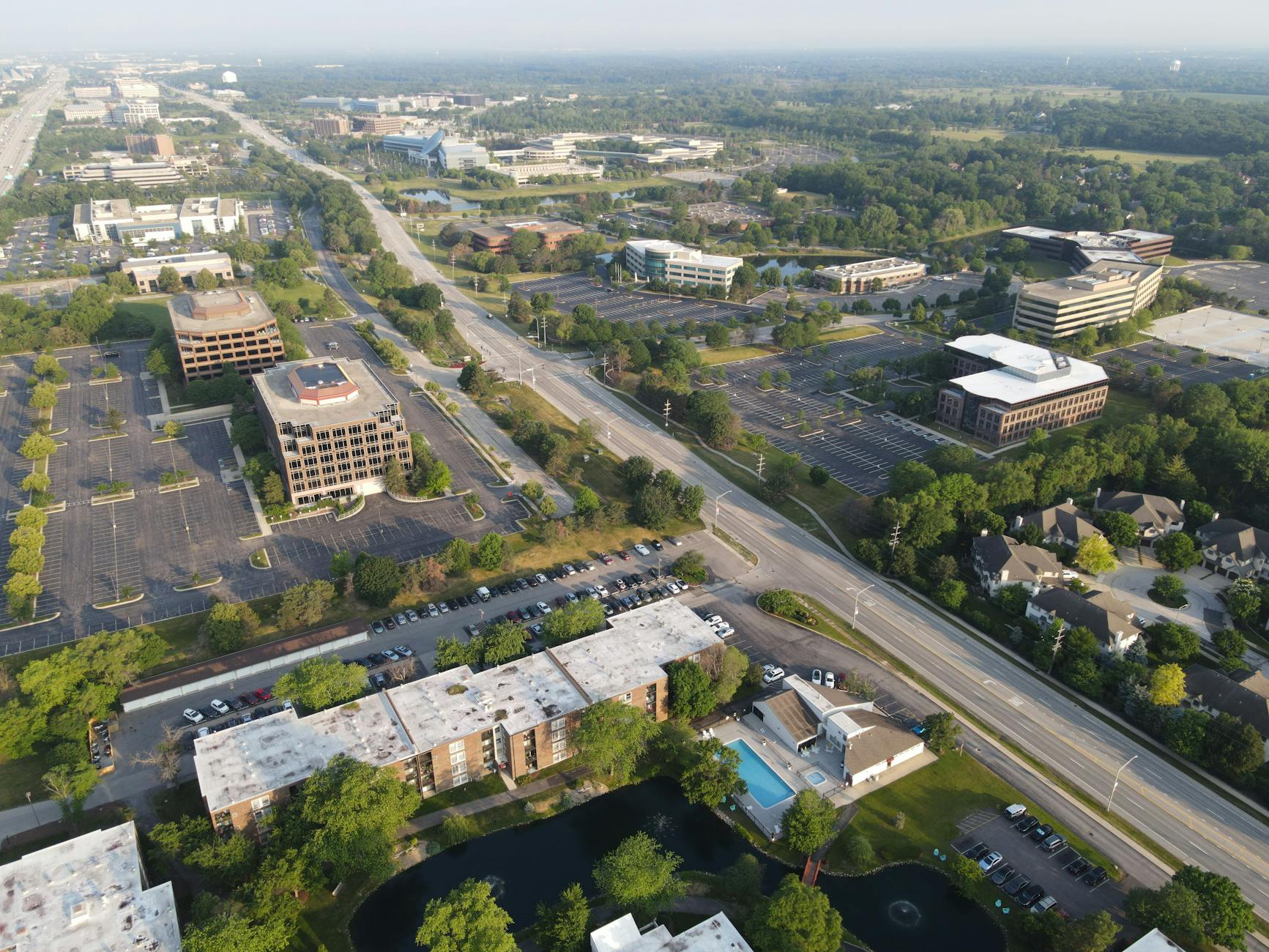
Future Outlook: Permanent Structural Change
Commercial real estate values will likely never return to pre-2020 patterns. Remote and hybrid work models appear permanent fixtures of the American workplace, with surveys indicating 75% of companies plan to maintain flexible work policies long-term.
This permanence suggests current value adjustments represent structural rather than cyclical changes. Office real estate may stabilize at new, lower equilibrium levels rather than recovering to historical peaks. Industrial and logistics properties may maintain elevated valuations as e-commerce penetration continues growing.
Investment strategies must adapt to these new realities. REITs focused on traditional office properties face ongoing challenges, while those emphasizing industrial, data centers, and specialized healthcare facilities may benefit from secular trends accelerated by remote work.
The commercial real estate sector’s transformation mirrors broader economic shifts that could interact with other global challenges, potentially affecting how businesses approach real estate decisions amid broader economic uncertainties.
Smart investors and developers who adapt to permanent changes in how Americans work will likely find opportunities in this transformed landscape, while those clinging to pre-pandemic models may face continued challenges.
Frequently Asked Questions
How much have office real estate values dropped due to remote work?
Office values dropped 38% in cities like Seattle, with Manhattan rents falling from $82 to $74 per square foot since 2019.
Which commercial property types benefit from remote work trends?
Industrial, warehouse, and suburban office properties see increased demand as e-commerce grows and companies establish satellite locations.