





Insurance giants are celebrating a counterintuitive windfall as climate disasters devastate communities across America. While hurricanes, wildfires, and floods wreak havoc on properties and lives, insurance stocks have surged to multi-year highs, driven by premium increases that far outpace rising claim costs.
The phenomenon reflects a harsh economic reality: insurers have successfully passed the burden of climate risk to policyholders through dramatic rate hikes, creating what analysts call a “goldilocks scenario” for shareholders. Major insurers like Travelers, Chubb, and Progressive have posted double-digit stock gains this year, even as natural disasters hit record-breaking intensity and frequency.
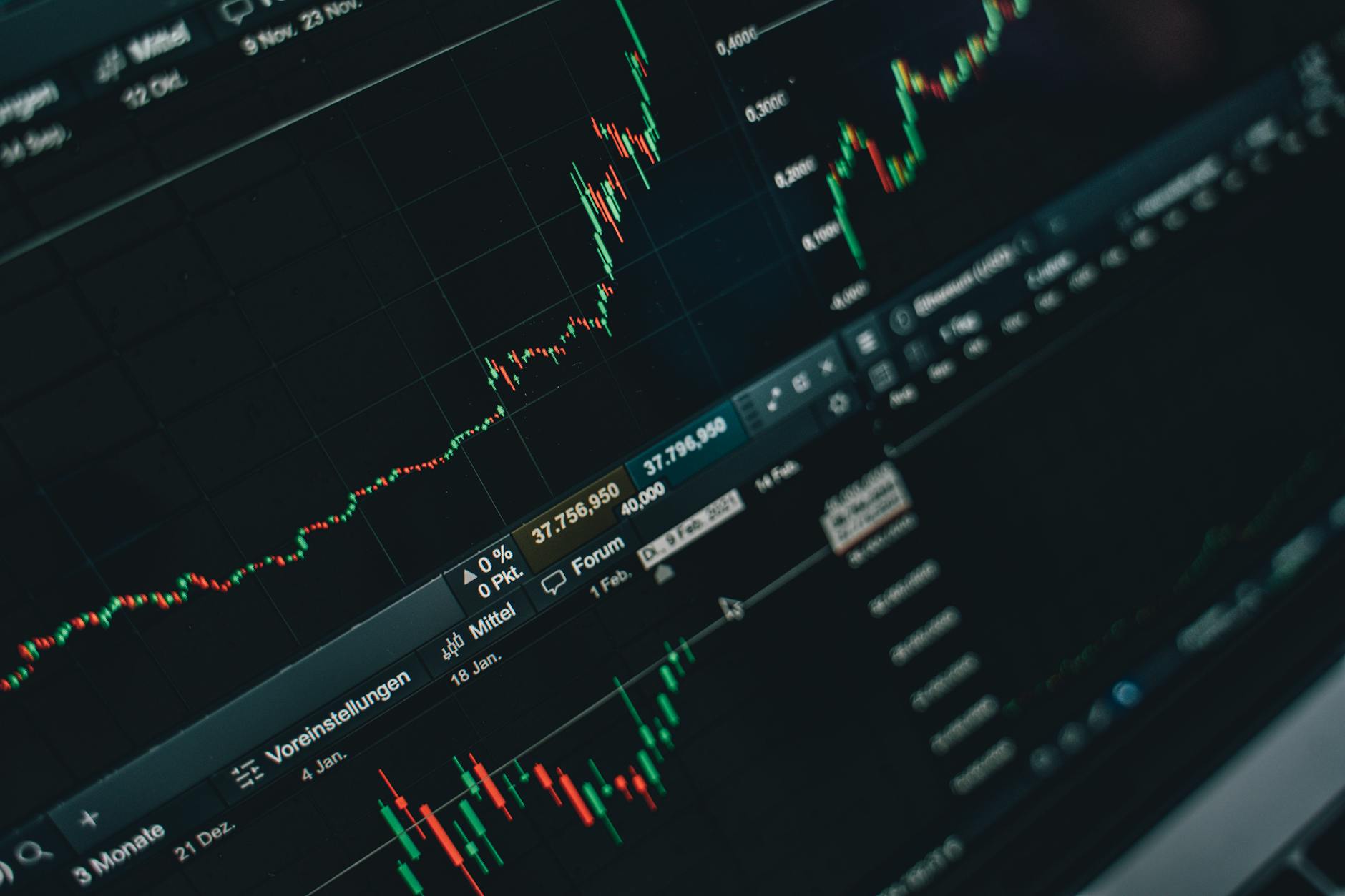
The insurance sector’s SPDR S&P Insurance ETF has outperformed the broader S&P 500 by nearly 8% over the past twelve months, defying expectations that climate change would crush industry profits. Instead, sophisticated risk modeling and aggressive premium adjustments have transformed potential losses into revenue opportunities.
Premium Hikes Outpace Disaster Costs
Insurance companies have raised homeowners’ premiums by an average of 20% annually in high-risk states like Florida, California, and Texas over the past three years. These increases dwarf the actual rise in claim payouts, creating unprecedented profit margins for carriers willing to stay in disaster-prone markets.
State Farm, the nation’s largest home insurer, stopped writing new policies in California entirely, citing “rapidly growing catastrophe exposure.” The withdrawal strategy has become a template for the industry – exit the most vulnerable markets while jacking up rates in areas where they maintain coverage.
“We’re seeing a fundamental repricing of risk,” explains Sarah Mitchell, senior analyst at Morningstar Insurance Research. “Insurers are finally charging what they believe climate risk is actually worth, not what regulators or customers want to pay.”
The strategy appears to be working. Travelers’ combined ratio – the percentage of premiums paid out in claims and expenses – improved to 91.2% in the third quarter, down from 96.8% a year earlier. Every point below 100% represents pure profit for shareholders.
Property casualty insurers have also benefited from higher interest rates, which boost returns on the massive investment portfolios they maintain to pay future claims. Rising rates have added billions in investment income to industry balance sheets, cushioning any uptick in disaster-related payouts.
Market Concentration Creates Pricing Power
The insurance industry’s consolidation over the past decade has given remaining players unprecedented pricing power in catastrophe-prone regions. As smaller insurers exit or fail, survivors face less competition and can implement aggressive rate increases with minimal customer defection.
Florida exemplifies this dynamic. After Hurricane Ian devastated the state in 2022, six regional insurers went bankrupt or ceased operations. The remaining carriers immediately implemented rate hikes of 30-50% for coastal properties, citing their newfound status as “insurers of last resort.”
Universal Insurance Holdings, one of the survivors, saw its stock price triple in 2023 after implementing what CEO Steve Donaghy called “adequate pricing for coastal risk.” The company’s customer base shrunk by 15%, but premium revenue per policy jumped 45%.

Federal reinsurance programs have also shifted more risk to taxpayers while protecting private insurer profits. The National Flood Insurance Program covers most flood damage, while state-backed catastrophe funds in hurricane-prone areas absorb the largest losses from windstorms.
“Private insurers get the premium income but socialize the biggest risks,” notes Dr. Patricia Williams, a risk management professor at Wharton Business School. “It’s a brilliant business model if you can pull it off.”
The concentration has created what economists call “oligopoly pricing” in many markets. With fewer competitors, insurers can raise rates in lockstep without losing significant market share to rivals.
Technology Enables Surgical Risk Assessment
Advanced satellite imaging, artificial intelligence, and predictive modeling have revolutionized how insurers assess and price individual properties. Companies can now identify specific homes at risk from wildfires, flooding, or hurricane storm surge with unprecedented precision.
Chubb recently invested $200 million in geospatial technology that analyzes everything from roof condition to nearby vegetation using satellite data. The system allows the insurer to price policies down to individual addresses, charging premium rates for high-risk properties while offering competitive pricing for safer locations.
“We can literally see which side of the street is more likely to flood,” explains Chubb’s Chief Risk Officer Michael Rodriguez. “That granular data lets us price risk more accurately than ever before.”
The technology has enabled what industry insiders call “cherry picking” – insuring only the most profitable properties while declining coverage for high-risk homes. State regulations often prevent outright redlining, but sophisticated risk models allow insurers to achieve similar results through pricing.
Progressive’s telematics program, originally designed for auto insurance, now extends to homeowners coverage. Sensors can detect water leaks, electrical problems, or other issues that might lead to claims, allowing the insurer to demand repairs or cancel policies before disasters strike.
The same technology helping insurers avoid bad risks is also attracting investment capital. Private equity firms have poured billions into insurance startups promising better risk selection through AI and machine learning.
Regional Variations Drive Investment Strategy
Smart money is following the geographic arbitrage opportunities created by climate risk repricing. Insurers focused on low-risk markets in the Midwest and Northeast have seen their stocks outperform companies with heavy coastal exposure.
Cincinnati Financial, which concentrates on inland markets, has gained 28% this year as investors reward its strategy of avoiding hurricane and wildfire zones. The company’s geographic focus, once seen as limiting growth potential, now appears prescient as coastal insurers struggle with volatility.
Conversely, companies doubling down on high-risk markets are betting they can charge enough in premiums to generate superior returns. Heritage Insurance Holdings focuses exclusively on Florida and other hurricane-prone states, arguing that higher premiums more than compensate for elevated claims costs.
The divergent strategies have created clear winners and losers among insurance stocks. Companies that successfully repriced risk in catastrophe zones have delivered outsized returns, while those that failed to adjust quickly enough have seen their shares languish or collapse entirely.
Municipal bond markets are feeling similar pressures as cities face mounting infrastructure repair costs, creating additional investment opportunities for insurance companies with fixed-income portfolios seeking higher yields.

Outlook: Sustainable Model or Bubble?
The insurance sector’s current prosperity raises questions about long-term sustainability. Premium increases of 20-30% annually cannot continue indefinitely without triggering regulatory backlash or massive customer exodus to state-backed insurance programs.
Several state insurance commissioners have already rejected rate increase requests they deemed excessive, setting up potential conflicts between regulatory oversight and private market pricing. California’s insurance commissioner blocked several proposed rate hikes exceeding 20%, forcing insurers to choose between inadequate pricing and market exit.
“There’s definitely a limit to how much consumers can absorb,” warns insurance economist Dr. Robert Chen at the University of Pennsylvania. “At some point, affordability becomes a bigger issue than availability.”
The industry’s success also depends on disaster frequency and severity remaining within predicted parameters. A truly catastrophic hurricane season or unprecedented wildfire outbreak could still overwhelm even the most aggressive premium increases.
However, most analysts believe the fundamental repricing of climate risk is here to stay. As extreme weather becomes more frequent and predictable, insurance companies appear well-positioned to maintain their current profitability through continued premium adjustments and selective underwriting.
The transformation of climate risk from industry threat to profit center represents one of the most significant shifts in modern insurance history. For now, shareholders are the clear beneficiaries of this harsh new calculus.
Frequently Asked Questions
Why are insurance stocks rising despite climate disasters?
Insurers are raising premiums faster than claim costs rise, passing climate risk to consumers while maintaining strong profit margins.
Which insurance companies benefit most from premium increases?
Major carriers like Travelers, Chubb, and Progressive have posted significant gains through aggressive rate hikes in high-risk markets.