





The Labor Crisis Forcing a Technological Revolution
Restaurant kitchens that once buzzed with line cooks now feature robotic arms flipping burgers. Hotel lobbies where front desk clerks greeted guests are transitioning to digital check-in kiosks. Retail stores that relied on cashiers are expanding self-checkout systems. Across America’s service industries, a persistent labor shortage is accelerating automation investments at an unprecedented pace.
The numbers tell a stark story. The Bureau of Labor Statistics reports that accommodation and food services maintain a quit rate nearly double the national average, while retail trade continues grappling with staffing shortages that began during the pandemic and show no signs of abating. With unemployment near historic lows and demographic shifts reducing the traditional service worker pipeline, businesses are turning to technology solutions once considered too expensive or impractical.

Fast Food Giants Lead the Automation Charge
McDonald’s has become the poster child for service industry automation, rolling out automated fryer systems and voice-ordering technology across thousands of locations. The company’s partnership with IBM produced an AI drive-through system that can process orders faster than human workers while maintaining accuracy rates above 85 percent. White Castle has gone even further, installing robotic burger-flipping systems in several locations that can prepare 360 hamburgers per hour without breaks or sick days.
The investment surge extends beyond marquee brands. Regional chains like CaliBurger have deployed robotic kitchen assistants, while Domino’s continues expanding its autonomous pizza delivery pilot programs. Industry analysts estimate that quick-service restaurants are investing over $2 billion annually in automation technologies, driven by labor costs that have risen 15-20 percent in many markets since 2020.
Taco Bell recently announced plans to integrate AI-powered menu recommendations and automated food preparation systems across 1,000 locations by 2025. The chain’s parent company, Yum Brands, views automation not as job elimination but as workforce augmentation, allowing human employees to focus on customer experience while machines handle repetitive tasks.
Retail Revolution Beyond Self-Checkout
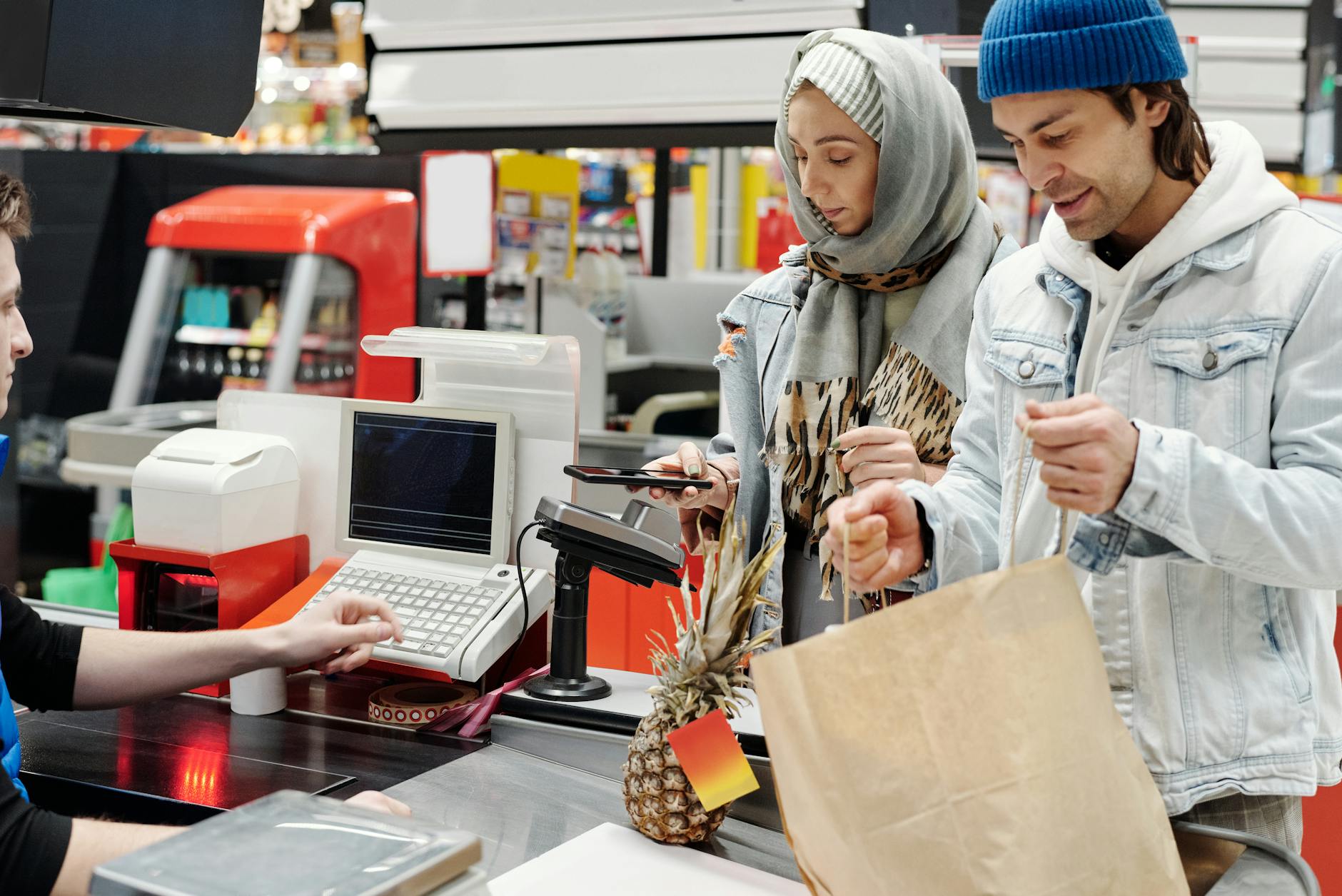
Amazon’s cashierless Go stores pioneered the concept, but now traditional retailers are embracing automation technologies previously reserved for tech giants. Walmart has expanded its Scan & Go mobile checkout system to over 3,000 stores while testing autonomous floor-cleaning robots and inventory-tracking drones. Target’s investment in RFID technology and automated fulfillment centers reflects a broader industry shift toward reducing dependence on traditional retail workers.
The transformation extends to smaller retailers through accessible technology platforms. Companies like Standard Cognition and Trigo offer plug-and-play cashierless solutions that independent stores can implement without massive infrastructure overhauls. These systems use computer vision and machine learning to track customer purchases, eliminating checkout lines while providing detailed analytics on shopping patterns.
Grocery chains are particularly aggressive in automation adoption. Kroger’s partnership with Ocado has produced highly automated fulfillment centers that can process online orders with minimal human intervention. H-E-B has invested in robotic pharmacy systems that fill prescriptions faster and more accurately than traditional methods. Even regional chains are finding that automation investments pay for themselves within 18-24 months through reduced labor costs and improved efficiency.
Hospitality’s High-Tech Transformation
Hotels are reimagining guest services through automation as they struggle with housekeeping and front desk staffing challenges. Hilton’s digital key technology allows guests to bypass front desk check-in entirely, while Marriott has deployed service robots in select properties that deliver amenities directly to rooms. These innovations address both labor shortages and evolving guest preferences for contactless services.
The restaurant industry within hospitality has seen particularly dramatic changes. Automated cocktail machines can prepare hundreds of drinks per hour with precise measurements and consistency that human bartenders struggle to match. Kitchen automation systems handle food prep, cooking, and even plating with minimal human oversight. Celebrity chef concepts are licensing their recipes to robotic cooking systems, allowing their brands to expand without the traditional staffing requirements.
Cruise lines have invested heavily in automation technologies that were once unthinkable in hospitality settings. Royal Caribbean’s newest ships feature robotic bartenders and automated cabin service systems. These technologies weren’t adopted primarily for novelty but out of necessity as the industry faces severe staffing shortages that traditional recruitment methods cannot resolve.
Similar pressures are driving innovation in related service sectors. The surge in warehouse automation investment reflects how labor shortages are reshaping entire supply chains, while the manufacturing revival in smaller cities often depends on automated systems that require fewer workers than traditional production methods.
Economic Implications and Future Outlook
The automation wave carries significant economic implications beyond individual businesses. McKinsey estimates that service industry automation could displace up to 25 million jobs by 2030 while creating approximately 13 million new positions in technology support, maintenance, and customer experience roles. The net effect suggests a fundamental restructuring of service work rather than wholesale elimination.
Investment patterns indicate this trend will accelerate rather than moderate. Venture capital funding for service industry automation startups reached $4.2 billion in 2023, double the previous year’s total. Major private equity firms are actively acquiring automation technology companies, viewing them as essential infrastructure for future service delivery.
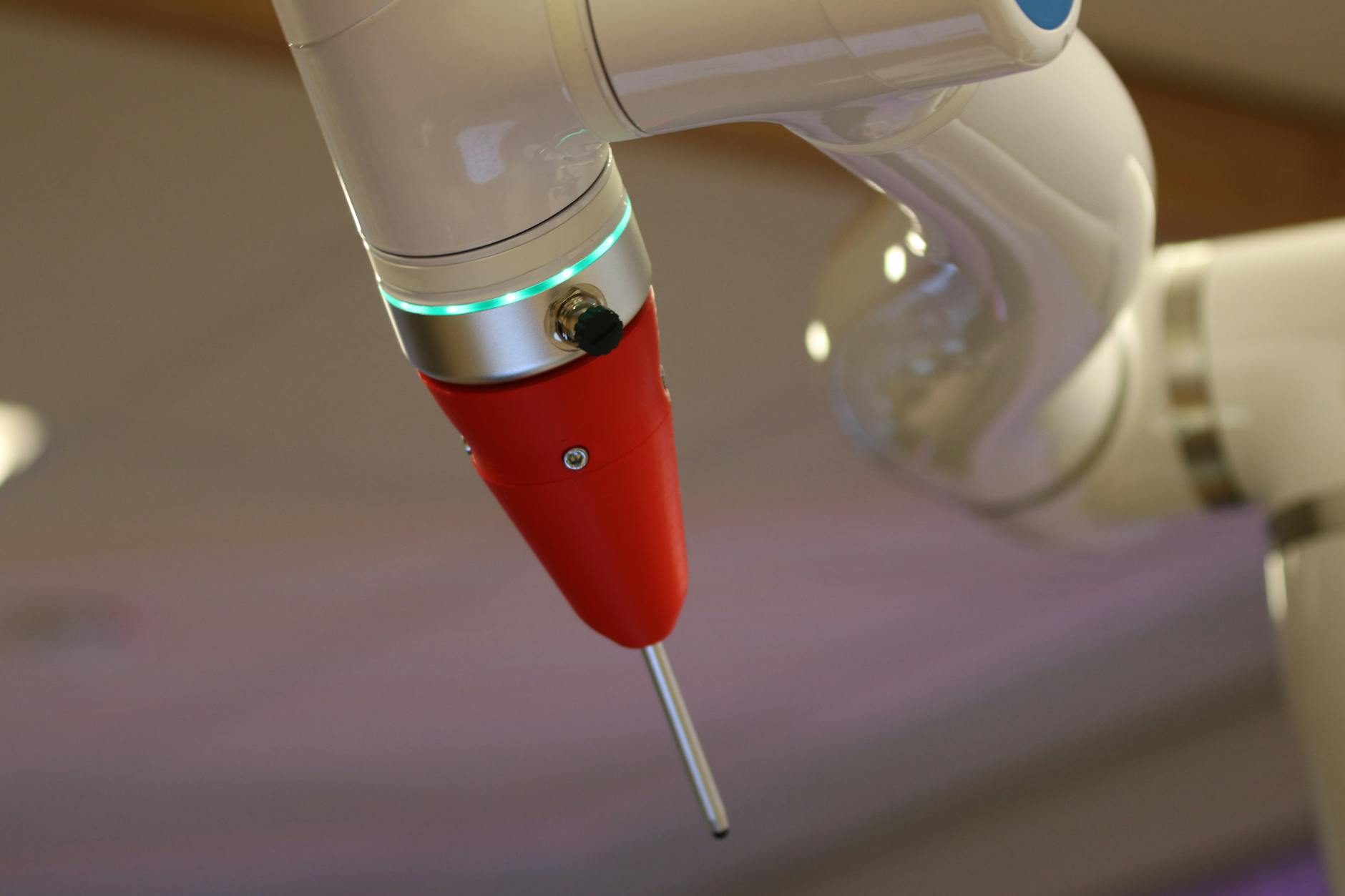
The transformation extends beyond technology adoption to workforce development. Community colleges are launching programs focused on automation maintenance and supervision, while established service companies are retraining existing employees for higher-skilled roles. McDonald’s recently announced a $250 million commitment to employee education programs, recognizing that automation success depends on human workers who can manage and optimize technological systems.
Geographic patterns suggest automation adoption will vary significantly based on local labor market conditions and regulatory environments. States with higher minimum wages and more severe labor shortages are seeing faster automation implementation, while regions with abundant low-cost labor are moving more cautiously.
The service industry automation revolution represents more than technological advancement-it reflects a fundamental economic adaptation to demographic and labor market realities. As traditional service worker populations decline and consumer expectations evolve, businesses that successfully integrate automation while maintaining human connection will define the future of American service delivery. The question isn’t whether automation will reshape service industries, but how quickly and effectively businesses can navigate this transformation while serving both customers and communities.
Frequently Asked Questions
How are labor shortages driving automation in service industries?
Persistent staffing challenges and rising labor costs are forcing businesses to invest in robotic systems, AI ordering, and automated fulfillment to maintain operations.
Which service industries are adopting automation fastest?
Fast food restaurants, retail chains, and hotels are leading automation adoption through robotic cooking systems, cashierless checkout, and automated guest services.