





The $15 burger that cost $12 just last year isn’t your imagination. Fast casual restaurants nationwide are hiking prices as labor shortages force owners to compete aggressively for workers willing to flip patties, take orders, and keep kitchens running.
What started as pandemic-era staffing challenges has evolved into a structural shift reshaping the restaurant industry’s economics. Chain restaurants from Chipotle to Panera have announced price increases of 6% to 15% over the past year, with independent operators facing even steeper adjustments. The ripple effects are hitting consumers’ wallets while forcing restaurant owners to reimagine their business models.
Wage Wars Drive Operating Costs Higher
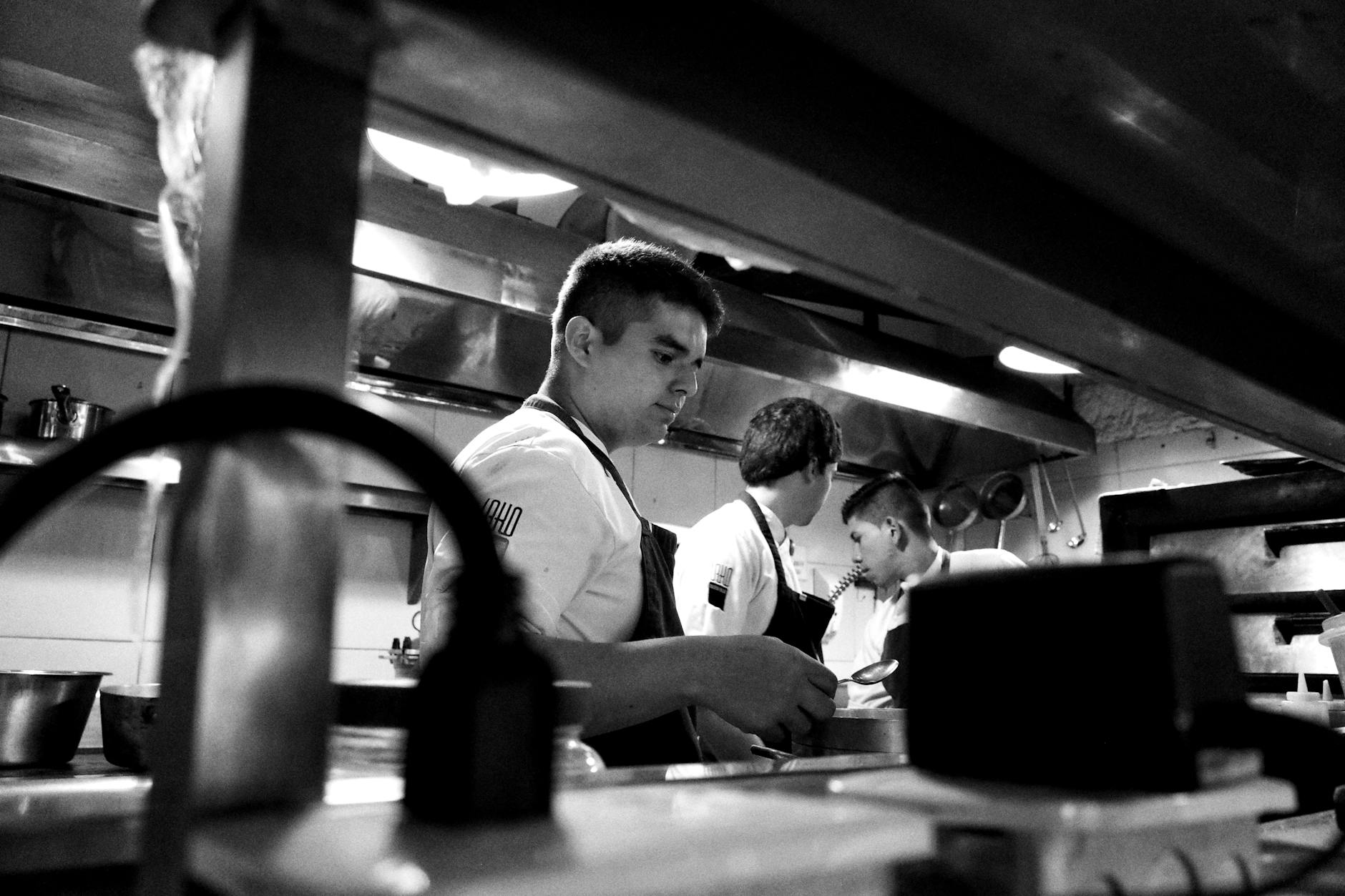
Restaurant operators are paying unprecedented wages to attract and retain staff. Average hourly wages for food service workers jumped 18% nationally in 2023, according to Bureau of Labor Statistics data. Many establishments now offer starting wages of $18 to $22 per hour for positions that previously paid minimum wage.
“We’re competing with Target and Amazon warehouses that offer $17 an hour with benefits,” explains Maria Santos, owner of three fast casual locations in Phoenix. “To get reliable workers, we had to match those wages, then add signing bonuses and flexible scheduling on top.”
The competition intensified as remote work policies expanded job options for workers who might have previously taken restaurant positions. Office support roles, customer service positions, and delivery driving now compete directly with food service jobs.
Labor costs typically represent 25% to 35% of a restaurant’s expenses. When wages jump nearly 20%, operators face immediate pressure on profit margins that already run thin in the competitive food service sector. Most establishments operate on margins of 3% to 8%, leaving little cushion for absorbing dramatic cost increases.
Regional variations add complexity to the challenge. Seattle-area fast casual restaurants report paying $23 to $25 per hour for experienced crew members, while similar positions in smaller Midwest cities command $15 to $17 hourly. These geographic wage disparities create uneven pricing pressures across national chains attempting to maintain consistent profit margins.
Menu Engineering Masks Real Price Increases
Restaurant chains are deploying sophisticated pricing strategies beyond simple across-the-board increases. Menu engineering – the practice of strategically pricing and positioning items – helps mask the full impact of rising costs while maintaining customer traffic.
Panera eliminated its $1 pastries while introducing $3.99 “artisan” options with similar ingredients. Chipotle reduced portion sizes slightly while maintaining advertised prices on signature bowls. These tactics spread cost increases across multiple menu adjustments rather than shocking customers with dramatic single-item price jumps.
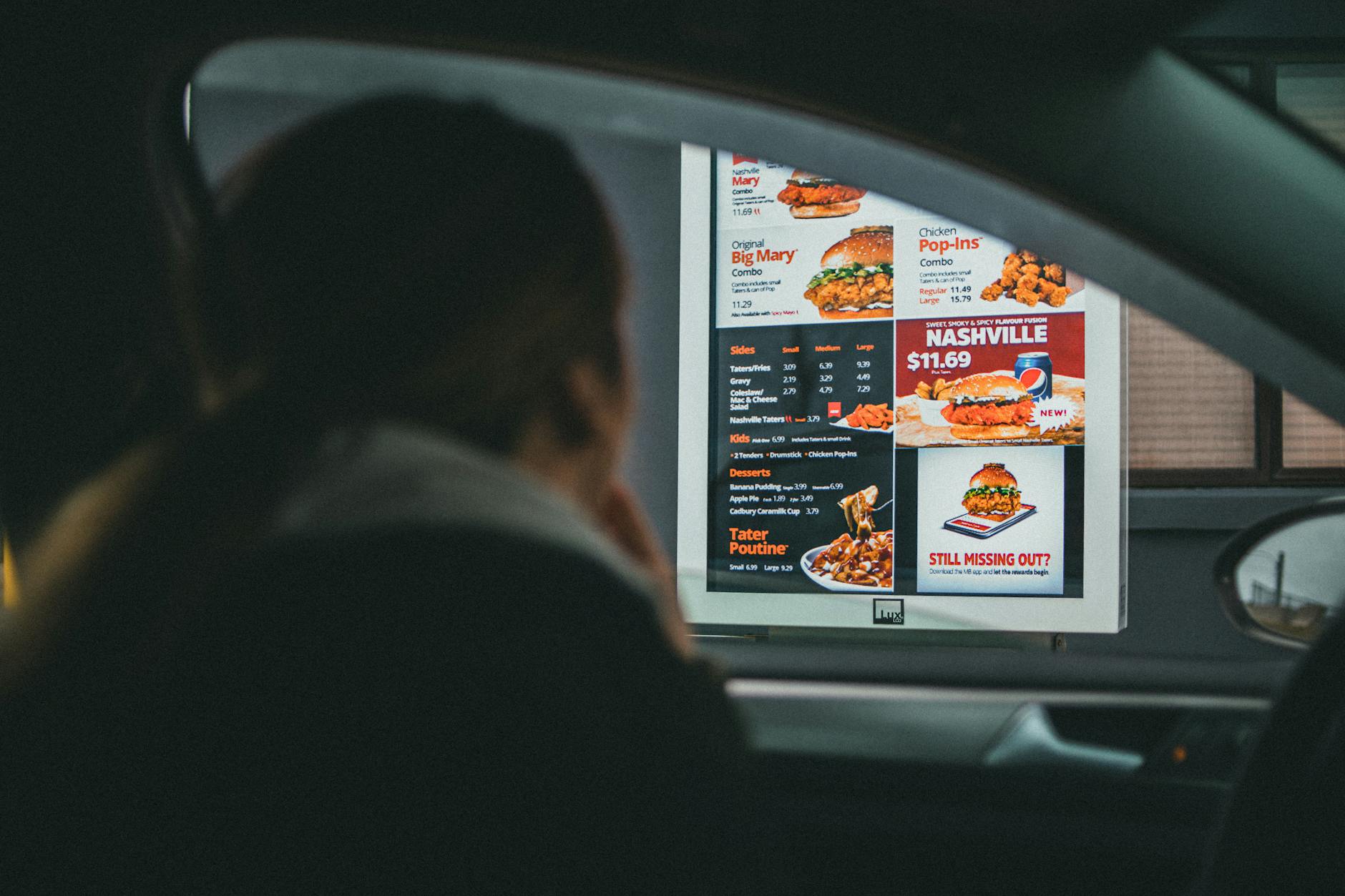
Limited-time offers serve as testing grounds for higher price points. Subway’s premium sandwich promotions gauge customer acceptance of $12 to $14 price points that would have seemed outrageous for the chain just two years ago. Successful premium items often become permanent menu additions at elevated prices.
Technology integration offers another cost management avenue. Self-service kiosks reduce labor needs during peak hours, though implementation requires significant upfront investment. QR code ordering systems eliminate server positions while shifting order management responsibilities to kitchen staff.
Some operators are restructuring their service models entirely. Fast casual concepts are moving toward counter service rather than table service, reducing front-of-house staffing needs. Others have eliminated breakfast service or reduced operating hours to concentrate staff during profitable dinner periods.
Supply Chain Pressures Compound Labor Costs
Rising labor costs aren’t occurring in isolation. Food commodity prices remain elevated compared to pre-pandemic levels, with proteins particularly affected. Chicken breast prices increased 28% year-over-year, while ground beef rose 15%, according to USDA agricultural marketing reports.
Transportation and logistics costs add another layer of expense. Delivery truck drivers command premium wages similar to restaurant workers, creating competition for the same labor pool. Fuel costs, insurance premiums, and vehicle maintenance expenses further pressurize supply chains already strained by worker shortages.
Packaging and disposable goods represent often-overlooked cost centers. Paper cup prices doubled in many markets due to pulp supply constraints. Plastic container costs increased 35% as petroleum-based materials became more expensive. These seemingly minor expenses accumulate quickly for high-volume operations serving hundreds of customers daily.
Regional food distributors report delivery delays and order minimums that force smaller restaurant operators to carry larger inventories. Increased inventory carrying costs tie up working capital while risking spoilage for perishable items. Some independent operators switched to multiple smaller suppliers, adding administrative overhead and reducing purchasing power.
Equipment maintenance costs surge when restaurants can’t find qualified technicians for ice machines, fryers, and point-of-sale systems. Emergency repair rates of $150 to $200 per hour become standard when equipment failures threaten service during busy periods.
Consumer Behavior Adapts to New Pricing Reality
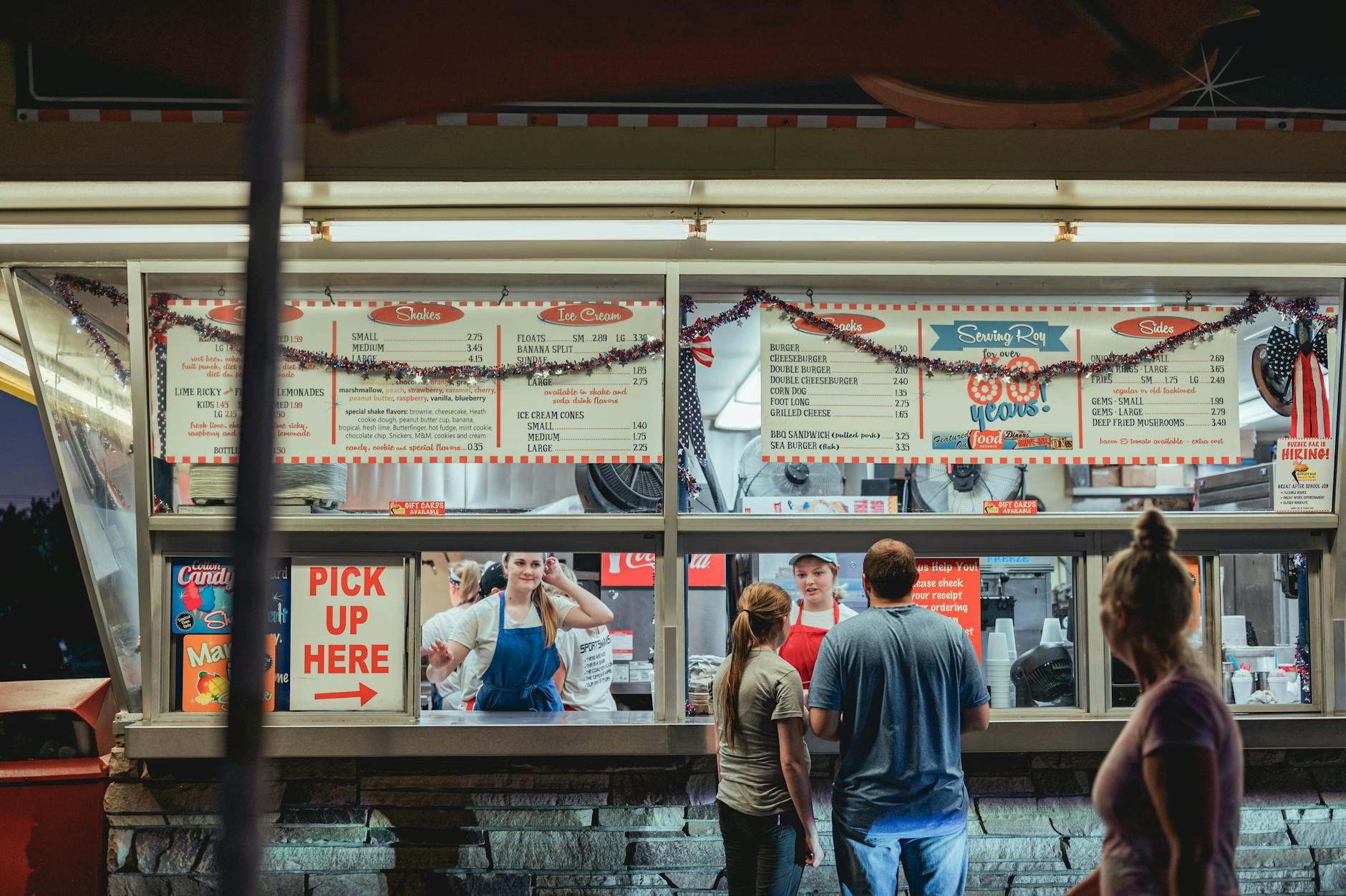
Despite widespread price increases, consumer demand for fast casual dining remains relatively stable. Traffic counts at major chains declined only 3% to 5% even as average ticket sizes increased 12% to 15%. This suggests customers are adjusting spending patterns rather than abandoning restaurant dining entirely.
Value-seeking behaviors are becoming more pronounced. Customers increasingly use mobile apps to access promotional pricing and loyalty rewards. Digital ordering platforms report 40% higher engagement rates as diners hunt for deals and discounts that offset menu price increases.
Geographic spending patterns reveal interesting trends. Suburban locations maintain stronger traffic than urban stores, possibly reflecting demographic differences in price sensitivity and dining alternatives. College towns show particular resistance to price increases, forcing operators to maintain value-oriented menu options.
Trading down within restaurant categories appears common. Customers might choose fast casual over casual dining or shift from premium protein options to more affordable alternatives within the same restaurant. This behavior helps explain why chicken-focused concepts like Raising Cane’s continue expanding despite industry-wide challenges.
The economic pressures transforming fast casual restaurants reflect broader labor market dynamics that seem unlikely to reverse quickly. As manufacturing jobs return to various regions, competition for workers will likely intensify rather than ease. Restaurant operators are adapting by reimagining service models, embracing technology, and accepting higher price points as the new normal for an industry that long relied on low-wage labor to deliver affordable convenience food.
Frequently Asked Questions
Why are restaurant prices increasing so much?
Labor shortages force restaurants to pay 18% higher wages, driving menu prices up 6-15% to maintain profit margins.
How are restaurants dealing with higher labor costs?
Operators use menu engineering, technology integration, and service model changes to offset rising wage expenses.