


The Low Income Home Energy Assistance Program has long been a quiet backstop for millions of American households that struggle to pay heating and cooling bills. Now, with federal budget negotiations targeting discretionary spending, that backstop is wobbling – and the financial fallout for low-income families is likely to arrive well before anyone officially announces a crisis.
What LIHEAP Actually Does – and Who Loses When It Shrinks
LIHEAP is a federal block grant program that channels money to states, which then distribute assistance directly to qualifying households for utility costs – primarily heating in winter and, in some states, cooling in summer. The program does not pay bills automatically; families must apply, and funding is finite. When the money runs out in a given cycle, eligible households are turned away. That rationing is already a feature of the program in flush years. In a year of significant cuts, it becomes the norm rather than the exception.
The households most exposed are renters in older housing stock, elderly residents on fixed incomes, and families with young children in regions where temperatures swing hard in both directions. These groups share a common financial profile: they carry little to no savings buffer, their utility costs represent a disproportionately large share of monthly income, and a single missed payment can trigger a cascade – late fees, service interruption deposits, and eventually shutoff notices that require lump-sum payments to reverse. The debt that accumulates during one bad winter can follow a household for years.
LIHEAP has historically been funded at levels that advocates have argued fall well short of actual need even in good years. The program serves roughly one in six eligible households in an average year, meaning the majority of qualifying families receive nothing. Any reduction in appropriations compresses that ratio further. Some states will respond by lowering income thresholds to tighten eligibility; others will simply exhaust available funds earlier in the heating season, leaving late applicants without recourse.
The budget pressure on LIHEAP is not happening in isolation. Federal spending reviews are simultaneously examining food assistance programs and other safety net instruments, meaning the same households facing utility debt risk are also navigating tightening eligibility rules in food assistance at the same time. When multiple support systems contract simultaneously, the financial stress does not simply add – it compounds, because households are forced to make impossible trade-offs between food, medicine, and keeping the lights on.
How Utility Debt Becomes a Long-Term Financial Trap
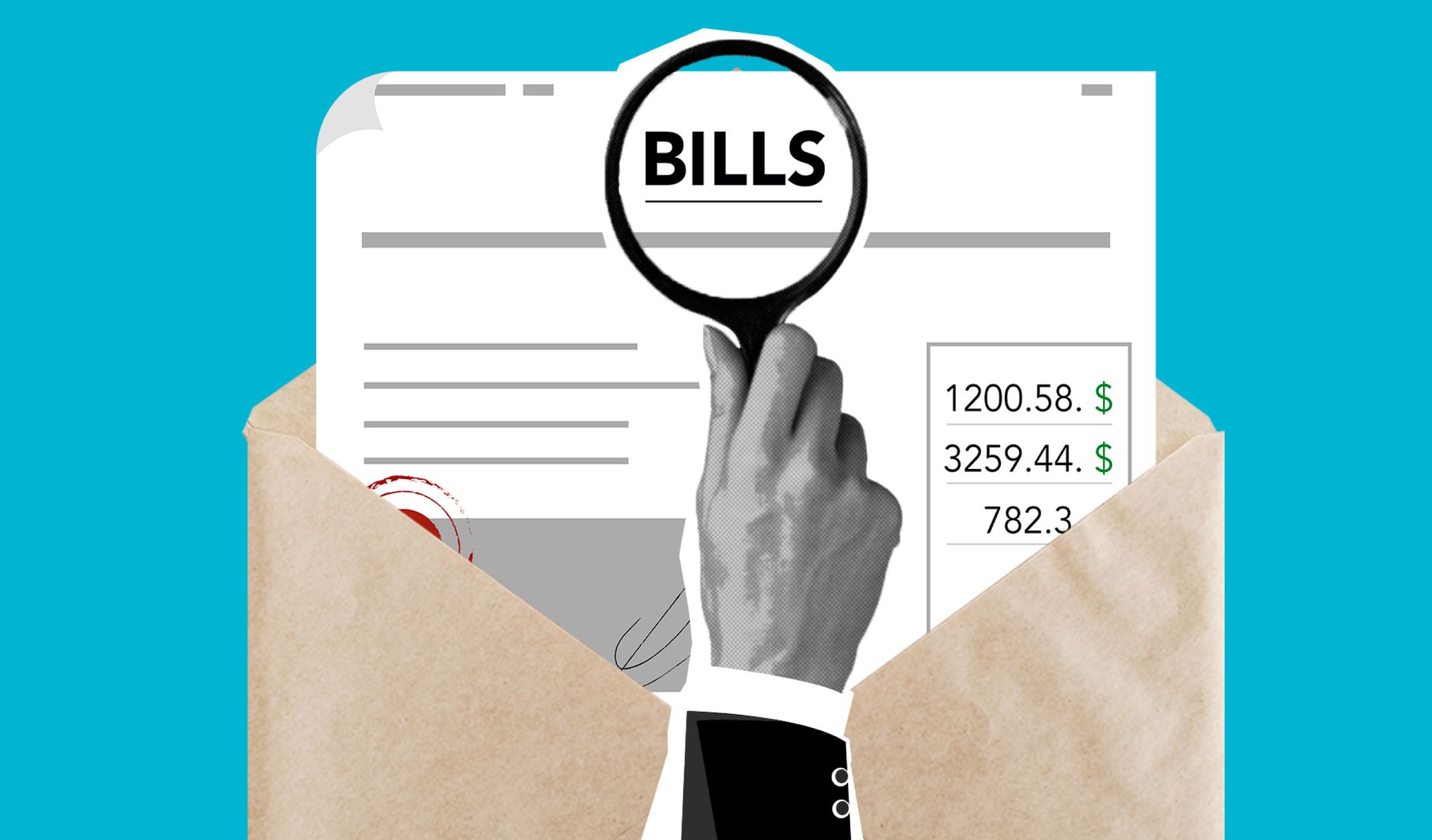
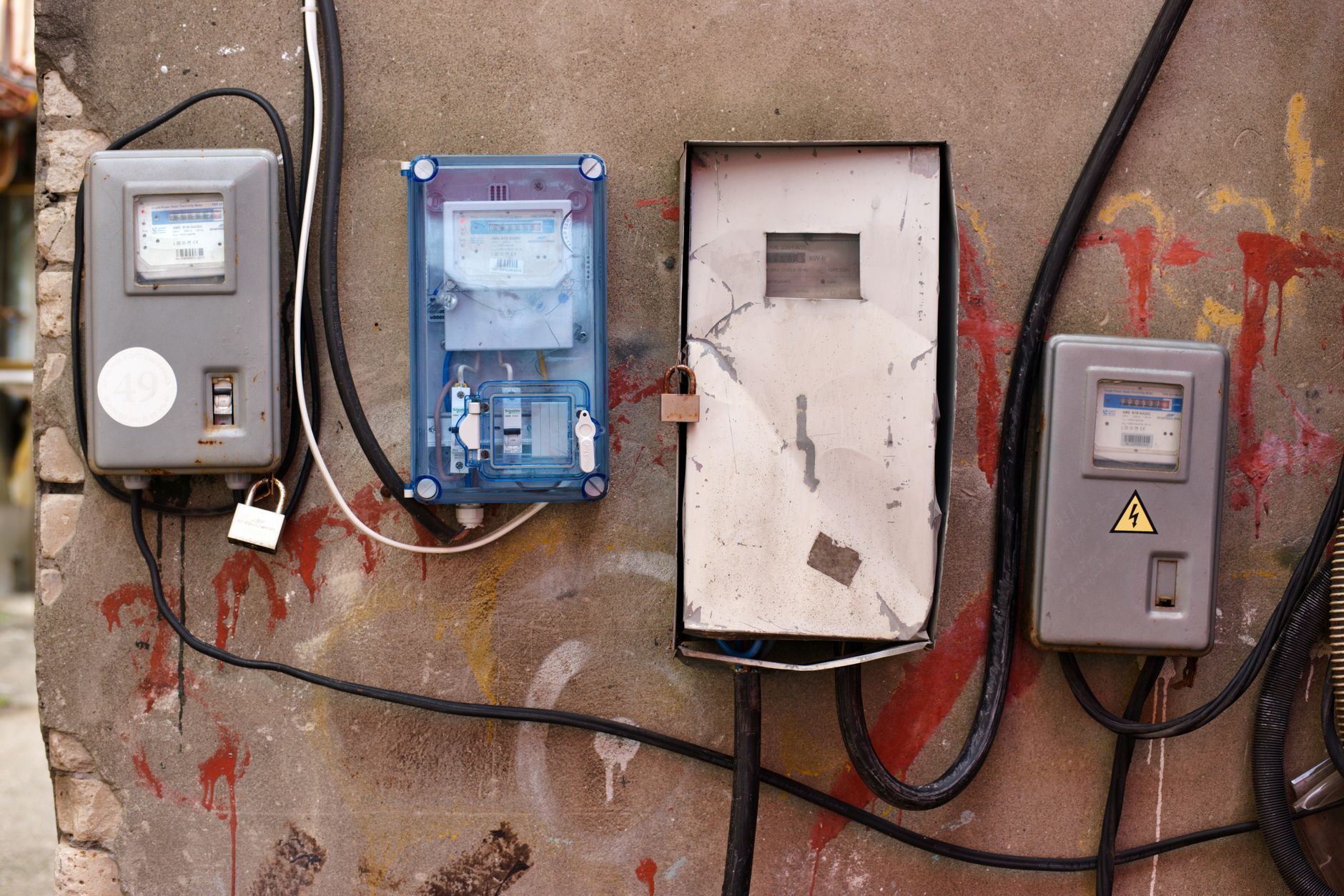
Utility debt works differently from most consumer debt, and that distinction matters enormously for low-income households. Unlike credit card balances or medical bills, unpaid utility balances are attached to a service that families cannot easily forgo. Heat, electricity, and water are not discretionary. When a household falls behind, the utility provider typically adds late fees, then issues a shutoff notice, then requires payment of the full arrears plus a reconnection fee and sometimes a new security deposit before restoring service. By the time a family reaches shutoff, they may owe three to five months of accumulated charges – a debt load that is effectively impossible to pay in a single cycle on a low income.
Many states have shutoff moratorium rules that protect households during peak heating months, typically from November through March. Those protections sound meaningful, but they carry a hidden cost: a household that cannot be shut off in December can still accumulate debt every month during the moratorium. When the moratorium lifts in spring, the total balance owed has grown, and the utility provider can act. This is the mechanism that turns a single bad winter into a spring financial emergency, often precisely when households have already spent down any reserves they had.
Credit reporting practices vary by utility, but a growing number of providers report delinquencies to credit bureaus, or sell unpaid balances to collection agencies that do. A utility debt that enters collections can suppress a household’s credit score for years, raising the cost of everything from car insurance to apartment rentals in markets where landlords run credit checks. The financial damage from a single period without LIHEAP support can therefore extend well beyond the original bill amount.
The geography of risk is uneven. Southern states with minimal winter utility protections and high summer cooling loads carry particular exposure, since air conditioning is a genuine health necessity during extreme heat events – not simply a comfort item. Rural households face a compounded version of this problem because many rely on heating oil or propane rather than natural gas, and those fuel types are both more expensive per unit and more volatile in price than pipeline gas. LIHEAP has specific carve-outs for crisis assistance and home weatherization, and those secondary functions also disappear when overall funding drops.
Utility providers themselves are caught in a difficult position. Extending credit informally by allowing arrears to accumulate serves the household short-term but creates regulatory and financial problems for the utility. Rate regulators in most states require utilities to demonstrate cost recovery, which means uncollected debt eventually flows back into rate-setting calculations – raising prices modestly for all customers, including other low-income households not currently in arrears. The ripple effect is diffuse but real.
What Households and Advocates Are Working With
State-level programs exist as partial substitutes for LIHEAP funding, but their scope varies enormously and most were designed to supplement federal money rather than replace it. Some utility companies operate their own low-income assistance funds, drawing from ratepayer contributions or corporate charitable budgets, but those pools are small relative to demand and typically carry their own eligibility requirements. Community action agencies – the local nonprofits that actually administer LIHEAP in most states – report that they are already managing waitlists and application backlogs under current funding levels. A federal cut does not simply reduce their available grants; it restructures their entire operating season, forcing staff to redirect time toward denial management and referrals to resources that are themselves oversubscribed.
For the households navigating this in real time, the practical calculus is brutal. A family that knows LIHEAP funding in their county is likely to run out before they can get an appointment has to decide how much of a current paycheck to divert toward utility arrears versus rent versus groceries – with no guarantee that any of those pressures will ease before the next billing cycle. That is not a budgeting failure. That is what happens when income is too low and the support systems designed to cover the gap are systematically underfunded. The question that federal budget writers have not publicly answered is what exactly households are supposed to do instead.
Frequently Asked Questions
What is LIHEAP and who qualifies for it?
LIHEAP is a federal block grant program that helps low-income households pay heating and cooling bills. Eligibility is income-based and administered by states, but funding is limited and not all qualifying households receive assistance.
How do LIHEAP cuts lead to long-term financial damage?
When households lose utility assistance, unpaid bills accumulate late fees and can trigger shutoffs. Reconnection requires lump-sum payments, and unpaid balances sent to collections can suppress credit scores for years.