





Steel mills in Ohio are hiring again. After decades of decline, manufacturing jobs are flowing back to Rust Belt cities as companies relocate production from overseas. The phenomenon, known as reshoring, is transforming communities that once watched their economic foundations crumble.
General Motors recently announced a billion-dollar investment in electric vehicle battery production across Michigan and Ohio facilities. Intel is building semiconductor plants in Columbus, Ohio. Companies like Ford, General Electric, and 3M are bringing manufacturing operations back to American soil, reversing a trend that began in the 1970s.
The numbers tell a striking story. The Reshoring Initiative, a nonprofit tracking these moves, documented over 350,000 manufacturing jobs announced for return to the United States in 2022 alone. Many of these positions are landing in former industrial heartlands where factory closures once devastated entire regions.
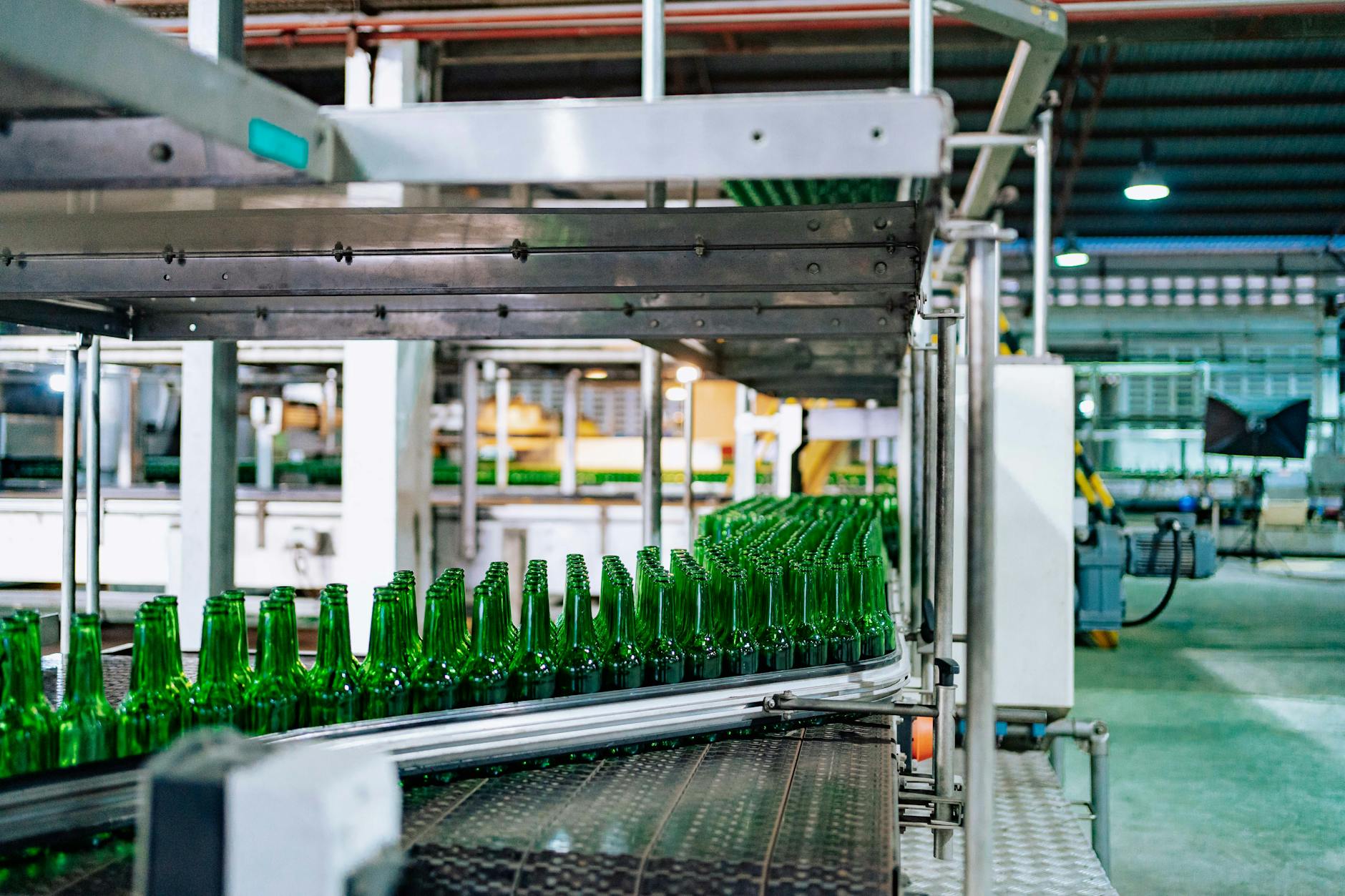
Supply Chain Disruptions Accelerate the Shift
The COVID-19 pandemic exposed critical vulnerabilities in global supply chains. When factories in China shut down, American companies couldn’t get essential components. Shipping costs skyrocketed. Delivery times stretched from weeks to months.
“We realized we were too dependent on overseas production,” says Harry Moser, founder of the Reshoring Initiative. “Companies that diversified their supply chains weathered the crisis much better.”
The war in Ukraine added another layer of uncertainty. Energy costs in Europe spiked. Transportation networks faced disruption. American manufacturers started viewing domestic production not just as patriotic, but as strategically essential.
Labor costs overseas have also risen significantly. Chinese manufacturing wages increased nearly 400% between 2000 and 2020. When factoring in shipping, quality control, and supply chain risks, the total cost advantage of offshore production has narrowed considerably.
Government Incentives Drive Industrial Renaissance
Federal policy is accelerating the reshoring trend through substantial financial incentives. The CHIPS and Science Act allocated over 50 billion dollars for domestic semiconductor production. The Inflation Reduction Act provides tax credits for companies manufacturing clean energy components in America.
States are competing aggressively for these projects. Ohio offered Intel nearly 2 billion dollars in incentives for its semiconductor facilities. Michigan provided General Motors with hundreds of millions in tax breaks for electric vehicle investments. Pennsylvania, Wisconsin, and Indiana have created similar programs targeting manufacturing job creation.
These aren’t just assembly operations. Companies are building complete supply chains domestically. When Intel constructs chip fabrication plants, it also attracts suppliers of specialized equipment, chemicals, and components. The multiplier effect creates additional jobs throughout the region.
The infrastructure improvements accompanying these projects benefit entire communities. New roads, upgraded electrical systems, and enhanced broadband networks serve manufacturers while improving quality of life for residents.
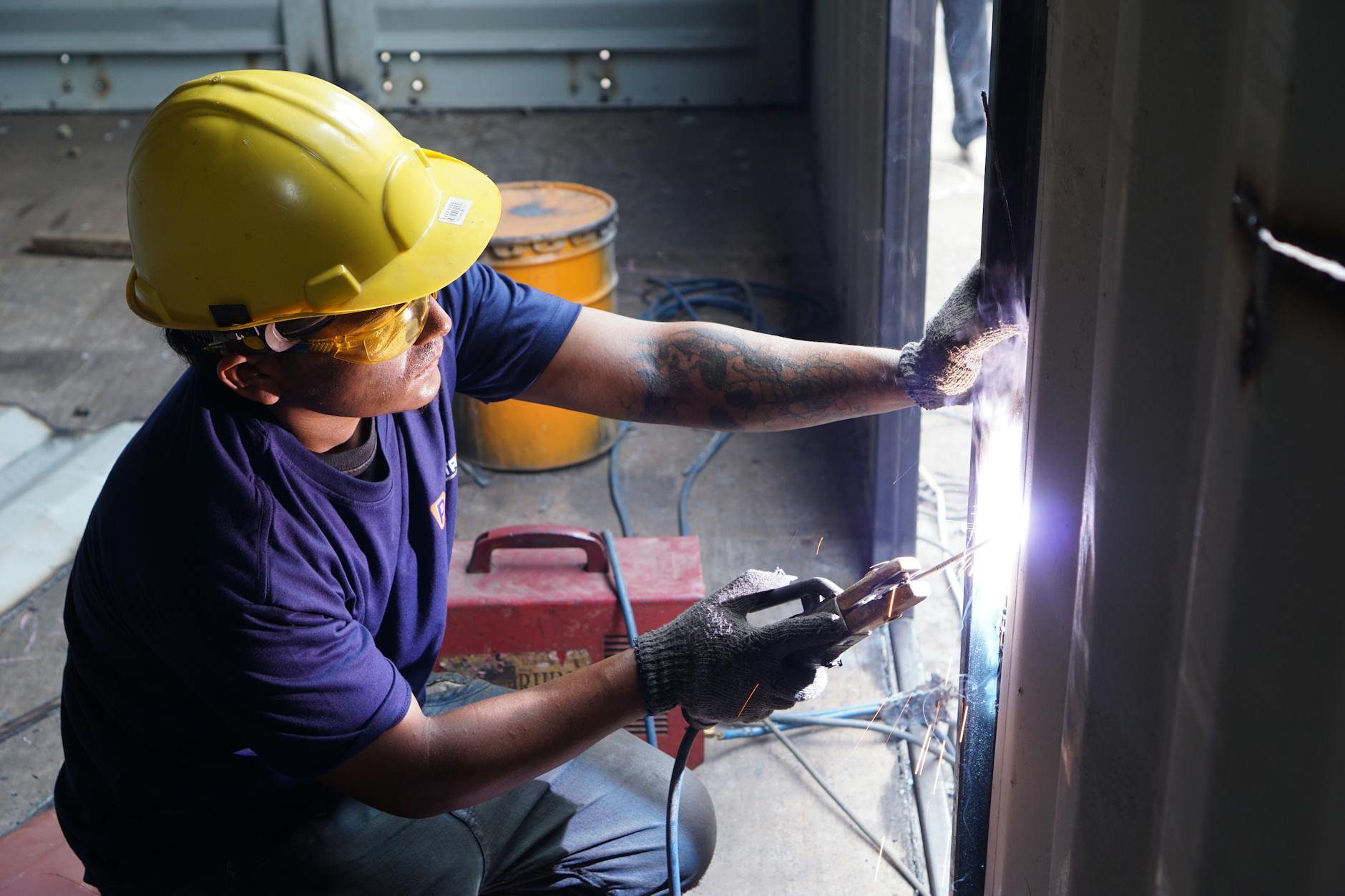
Technology Transforms Traditional Manufacturing
Modern manufacturing looks vastly different from the heavy industry that once dominated Rust Belt cities. Today’s factories rely heavily on automation, robotics, and artificial intelligence. Workers operate sophisticated equipment rather than performing repetitive manual tasks.
These technological advances help American manufacturers compete despite higher labor costs. Automated production lines can operate continuously with minimal human intervention. Quality control systems catch defects that would have required extensive manual inspection. Predictive maintenance prevents costly equipment breakdowns.
The workforce requirements have evolved accordingly. Manufacturing jobs increasingly demand technical skills rather than physical strength. Community colleges are partnering with employers to develop training programs for these positions. Apprenticeship programs combine classroom learning with hands-on experience.
Some traditional manufacturing cities are struggling with this transition. Older workers may lack the technical skills for modern factory jobs. Economic shifts affecting various worker categories have created challenges across multiple industries.
However, many communities are successfully adapting. Youngstown, Ohio transformed from steel production to advanced manufacturing. Akron, Ohio leveraged its rubber industry expertise to become a center for polymer research and production. These cities demonstrate how industrial heritage can evolve rather than simply disappear.
Economic Impact Beyond Factory Floors
Manufacturing job growth creates ripple effects throughout local economies. Each factory worker supports approximately three additional jobs in services, retail, and other sectors. Restaurants, housing, healthcare, and education all benefit from increased employment and population.
Property values in manufacturing communities are recovering after decades of decline. Downtown areas are experiencing revitalization as workers seek housing and entertainment options. Local governments gain tax revenue to improve schools, infrastructure, and public services.
The financial sector is taking notice. Banks are increasing lending to manufacturers and supporting businesses that serve industrial workers. While some regional banks face challenges in commercial real estate, those supporting manufacturing communities are seeing improved prospects.
Small businesses are flourishing in these areas. Machine shops, logistics companies, and specialized services are expanding to serve larger manufacturers. Entrepreneurship is increasing as former factory workers use their skills to start their own operations.

The reshoring trend faces significant challenges ahead. Labor shortages remain a persistent issue, particularly for skilled positions. Immigration restrictions limit access to international talent. An aging workforce means many experienced workers are retiring.
Competition from other countries continues intensifying. Mexico is attracting manufacturing investments due to its proximity to American markets and lower labor costs. European nations offer substantial subsidies for industrial projects. China is moving up the value chain, focusing on higher-technology products.
Climate considerations will increasingly influence manufacturing location decisions. Companies face pressure to reduce carbon emissions throughout their supply chains. Domestic production can lower transportation-related emissions, but energy sources and production methods matter significantly.
Despite these challenges, the momentum toward reshoring appears sustainable. National security concerns aren’t disappearing. Supply chain resilience remains a priority for corporate executives. Consumer preferences are shifting toward products with clear origin stories and ethical production standards.
The Rust Belt’s industrial renaissance represents more than economic recovery. It demonstrates American manufacturing’s ability to adapt, innovate, and compete in a changing global economy. These communities are writing the next chapter of their industrial heritage.
Frequently Asked Questions
What is driving manufacturing jobs back to Rust Belt cities?
Supply chain disruptions, government incentives, rising overseas costs, and national security concerns are driving companies to bring manufacturing back to America.
How many manufacturing jobs have returned through reshoring?
The Reshoring Initiative documented over 350,000 manufacturing jobs announced for return to the United States in 2022 alone.