



When Coverage Disappears, So Do the Options
Medicaid dental benefits were never generous to begin with. For low-income seniors in rural America, coverage was often limited to emergency extractions – pulling teeth rather than saving them. Now, as states move to trim Medicaid budgets under pressure from federal funding shifts and rising program costs, even those bare-minimum dental benefits are being scaled back or eliminated entirely. The result is a population that already had few choices now facing almost none.
Rural seniors sit at the intersection of several compounding problems: fixed incomes, geographic isolation, sparse dental infrastructure, and age-related oral health needs that only grow more complex over time. Losing Medicaid dental coverage does not just mean skipping a cleaning. It means untreated infections, worsening chronic conditions, and in serious cases, hospitalizations that cost the system far more than a filling would have.
What the Cuts Actually Look Like
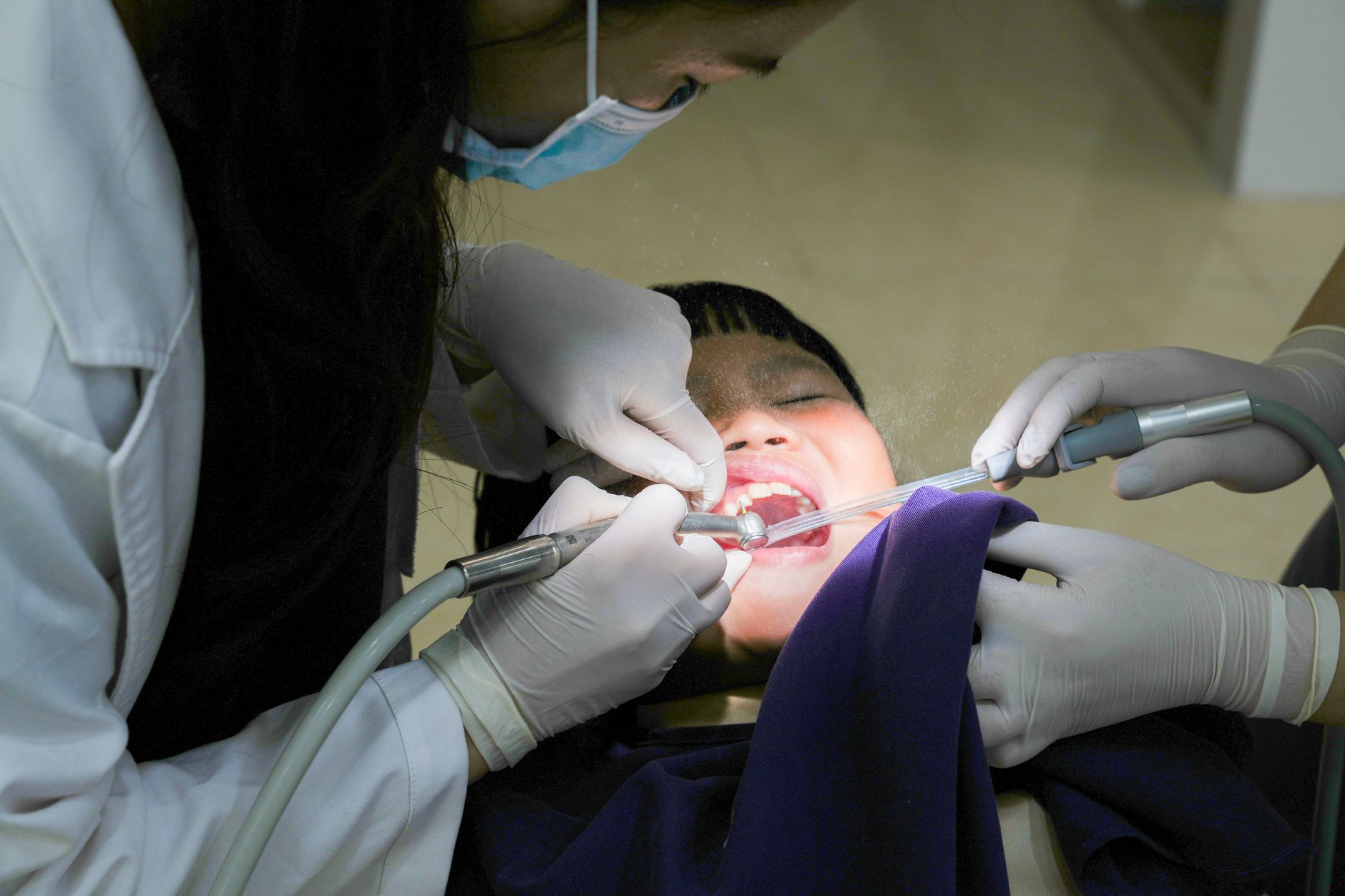
States administer Medicaid dental benefits with wide discretion. The federal government mandates dental coverage for children enrolled in Medicaid, but adult dental benefits are optional – meaning states can reduce or eliminate them without federal penalty. Several states have already trimmed adult dental coverage in recent budget cycles, limiting benefits to tooth extractions only, removing coverage for dentures, or placing strict annual spending caps that make meaningful treatment effectively inaccessible.
For rural seniors specifically, the practical impact of these cuts runs deeper than the policy language suggests. A spending cap of a few hundred dollars per year sounds like something, but a single root canal or partial denture can cost several times that amount. When coverage only stretches to an extraction, seniors often take the extraction – losing teeth they might have kept with adequate care, and setting off a cycle of further deterioration that eventually requires even more costly intervention.
Medicare, the primary federal insurance program for Americans 65 and older, provides extremely limited dental coverage in its traditional form. Original Medicare does not cover routine dental care, leaving seniors who rely on it – rather than private Medicare Advantage plans – without any dental safety net unless their state Medicaid program fills the gap. For low-income seniors who are dual-eligible for both Medicare and Medicaid, that gap just got wider.
The Rural Access Problem
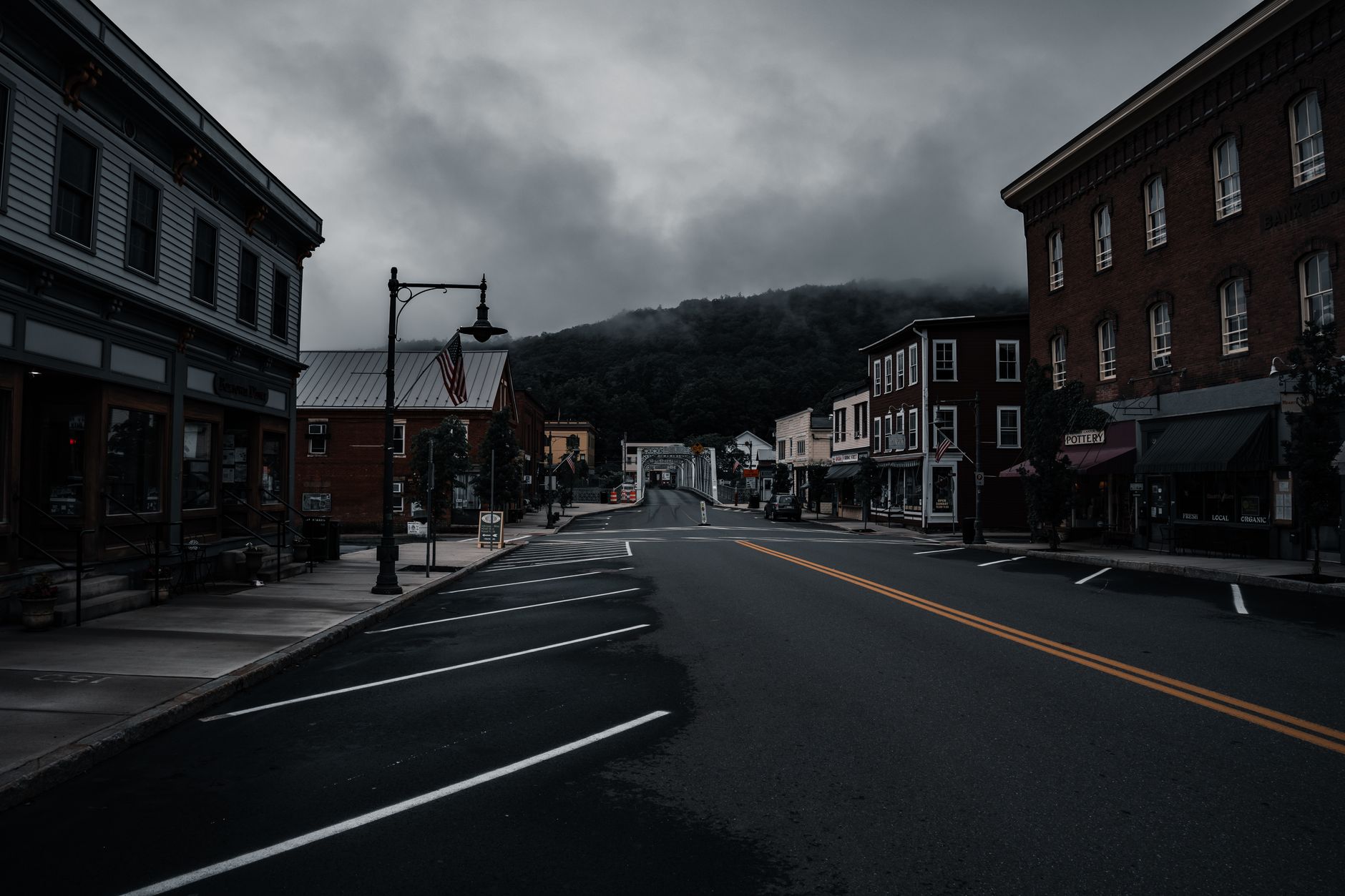
Geography compounds every aspect of this problem. Rural counties across the country are designated dental health professional shortage areas, meaning there are not enough practicing dentists to meet local demand even for patients with full coverage. When coverage shrinks, dentists in these regions – many of whom already operate on thin margins treating Medicaid patients at reimbursement rates below their actual costs – have less financial reason to keep accepting low-income patients at all.
Travel distance is not an abstract concern for a 72-year-old without a car in a county without public transit. Dental care that requires a two-hour round trip becomes dental care that does not happen. Community health centers and federally qualified health centers offer some dental services on sliding-scale fees, but these facilities are unevenly distributed and frequently operating at capacity, with appointment wait times that stretch months.
The Health Stakes Go Beyond the Mouth
Oral health is not separate from overall health, and the consequences of untreated dental disease in older adults are well-documented in clinical literature. Periodontal disease is associated with higher rates of cardiovascular disease, poorly controlled diabetes, and respiratory infections – conditions that are already disproportionately common among low-income rural seniors. An untreated tooth abscess can become a systemic infection. A senior who cannot chew properly due to missing teeth tends toward a less nutritious diet, accelerating other health decline.
The financial logic of cutting dental benefits to save money on Medicaid becomes harder to defend when downstream costs are factored in. Emergency room visits for dental pain – one of the most common reasons uninsured and underinsured patients use the ER – are dramatically more expensive than preventive or restorative dental care. States that cut dental benefits are not eliminating costs; they are shifting them to emergency departments and, ultimately, back to public insurance programs.
There is also a dignity dimension that budget analyses rarely capture. Tooth loss at scale changes how people eat, speak, and present themselves socially. For seniors already navigating isolation – a serious and well-established health risk in itself among older rural populations – losing teeth accelerates withdrawal from social engagement. The policy calculus that treats dental benefits as a budget line to cut first tends to undercount this kind of diffuse, non-acute harm.

Some states have attempted to hold the line on adult dental benefits even as budget pressure builds, arguing that preventive dental care reduces total Medicaid spending over time. Oral health advocates have pushed for stronger federal minimum standards that would require states to maintain meaningful adult dental coverage as a condition of Medicaid participation – but that legislative push has stalled repeatedly, and the current federal environment does not favor expanding Medicaid mandates. Meanwhile, the seniors who need care are not waiting for a policy resolution. They are making appointments they cannot afford, or not making them at all, and managing the consequences quietly in places where the nearest dentist is already an hour away.