




American cities face a financial reckoning as aging infrastructure collides with strained budgets, pushing municipal bond defaults to levels not seen since the 2008 financial crisis. Water main breaks in Jackson, Mississippi. Bridge collapses in Pittsburgh. Power grid failures in Texas. The bill for decades of deferred maintenance is coming due, and many municipalities are struggling to pay.
Municipal bond defaults have surged 43% in the first three quarters of 2024 compared to the same period last year, according to Municipal Securities Rulemaking Board data. The American Society of Civil Engineers estimates the nation’s infrastructure funding gap at $2.6 trillion over the next decade, with local governments responsible for roughly 60% of public infrastructure spending.
“We’re seeing a perfect storm,” says Sarah Martinez, municipal bond analyst at Thornburg Investment Management. “Cities deferred maintenance for years to balance budgets, and now they’re facing emergency repairs that cost three to four times more than preventive maintenance would have.”
Infrastructure Crisis Hits Municipal Budgets Hard
The infrastructure crisis isn’t abstract anymore – it’s showing up in city balance sheets across America. Flint, Michigan defaulted on $8.3 million in bonds last month, citing water system upgrade costs that ballooned from initial estimates. Similarly, Stockton, California restructured its debt after discovering its aging water treatment facilities needed $400 million in repairs.
Water and sewer systems represent the largest infrastructure challenge for municipalities. The Environmental Protection Agency estimates that water utilities need $744 billion in infrastructure investments over the next 20 years. Many cities built their water systems in the post-World War II boom, and those pipes and treatment plants are now reaching the end of their useful lives simultaneously.
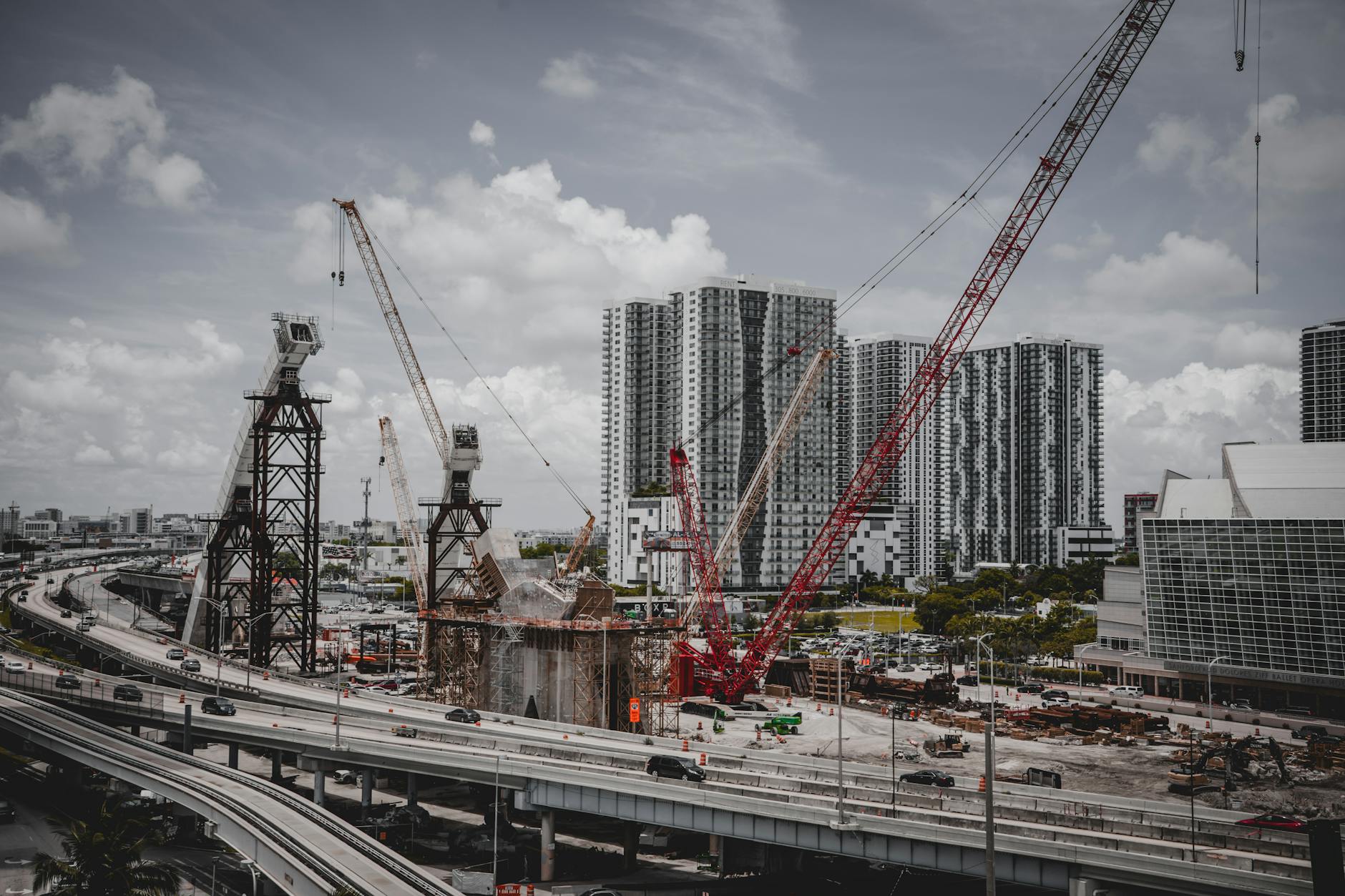
Transportation infrastructure adds another layer of financial pressure. The Federal Highway Administration reports that 36% of major urban highways are in poor condition, while 42% of bridges are at least 50 years old. States and cities own 97% of all bridges, making local governments responsible for most repair costs.
“Cities are caught between federal mandates requiring infrastructure upgrades and taxpayers who resist rate increases,” explains David Chen, managing director at Cumberland Advisors. “The math simply doesn’t work for many smaller municipalities.”
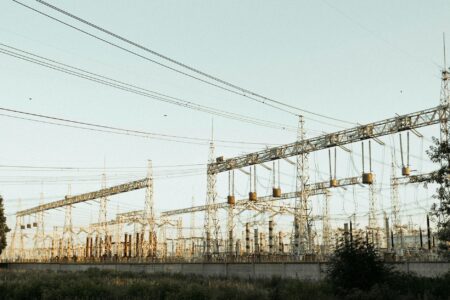
Energy infrastructure presents additional challenges, particularly for cities managing their own utilities. Winter Storm Uri in 2021 exposed weaknesses in power grids across the Southwest, forcing cities like Austin to spend hundreds of millions on emergency repairs and grid hardening projects.
Rating Agencies Sound Warning Bells
Credit rating agencies have taken notice, downgrading municipal bonds at an accelerating pace. Moody’s Investors Service downgraded 127 municipal entities in the third quarter alone, with infrastructure costs cited as a primary factor in 68% of cases.
Standard & Poor’s recently placed 23 small cities on negative watch, warning that infrastructure spending could push several into distressed territory. The rating agency notes that cities with populations under 25,000 face particular challenges, lacking the tax base to support major capital projects.
“Small cities often lack the financial sophistication to properly plan for infrastructure replacement cycles,” says Jennifer Walsh, director of public finance at S&P Global Ratings. “They’re reactive rather than proactive, which drives costs higher and strains budgets.”
The ripple effects extend beyond individual cities. Municipal bond funds have seen outflows of $1.2 billion year-to-date as investors grow wary of infrastructure-related credit risks. The iShares National Muni Bond ETF has declined 2.8% this year, while the VanEck Vectors High Yield Municipal Index ETF dropped 4.1%.

Interest rate environments compound the problem. With municipal borrowing costs up nearly 180 basis points from 2021 lows, cities face higher debt service costs just as they need to issue more bonds for infrastructure projects. This creates a debt spiral for municipalities already struggling with aging systems.
Insurance markets add another complication. Insurance companies increasingly factor climate risks into municipal coverage, raising costs for cities in flood-prone or wildfire-susceptible areas. These same cities often need the most infrastructure investment to adapt to changing environmental conditions.
Federal Relief Provides Limited Help
The Infrastructure Investment and Jobs Act allocated $550 billion in new federal spending, but municipal finance experts warn it won’t close the funding gap. The legislation prioritizes projects of national significance, leaving many local infrastructure needs unfunded.
“The federal money helps, but it’s a down payment on a much larger problem,” notes Robert Amodeo, head of municipal bonds at Western Asset Management. “Cities still need to find ways to fund the bulk of their infrastructure needs through local resources.”
Some municipalities are exploring innovative financing mechanisms. Chicago pioneered infrastructure banks that pool resources across multiple projects. Denver issued century bonds – 100-year municipal securities – to spread infrastructure costs across multiple generations of taxpayers.
Public-private partnerships offer another avenue, though results vary widely. Successful partnerships typically involve clearly defined responsibilities and realistic revenue projections. Failed partnerships, like the Indiana Toll Road concession that ended in bankruptcy, demonstrate the risks of overly optimistic traffic and revenue assumptions.
Water utilities increasingly turn to rate mechanisms that automatically adjust for infrastructure needs. These systems tie rate increases to capital investment schedules, providing more predictable revenue streams for bond repayment. However, affordability concerns limit how aggressively cities can raise utility rates.
Looking Ahead: Municipal Finance Evolution

The municipal bond market is adapting to infrastructure realities through new structures and investor approaches. Green bonds, which fund environmentally beneficial projects, have grown from $11 billion in municipal issuances in 2017 to over $26 billion in 2023. These bonds often carry lower borrowing costs, helping cities finance sustainable infrastructure upgrades.
Technology offers some hope for managing infrastructure more efficiently. Smart water meters help cities detect leaks quickly, reducing both water loss and emergency repair costs. Predictive maintenance systems use sensors and data analytics to schedule repairs before failures occur, spreading costs more evenly over time.
“The cities that thrive will be those that embrace asset management and long-term planning,” predicts Martinez. “The ones that continue reactive maintenance will face increasingly difficult financial situations.”
Climate adaptation requirements will likely drive the next wave of municipal infrastructure investment. Sea level rise threatens coastal cities, while inland areas face increased flooding and extreme weather events. The Federal Emergency Management Agency reports that every dollar spent on mitigation saves six dollars in disaster response costs, but upfront investment requirements remain daunting for cash-strapped cities.
The municipal bond default trend reflects a broader reckoning with America’s infrastructure inheritance. Cities that successfully navigate this transition will emerge with modern, resilient systems. Those that don’t risk a downward spiral of deteriorating infrastructure, higher costs, and weakened credit profiles. For investors, the challenge lies in identifying which municipalities have the political will and financial capacity to make necessary investments before crisis forces their hand.
Frequently Asked Questions
Why are municipal bond defaults increasing?
Cities face massive infrastructure repair costs from aging systems, with limited budgets and higher borrowing costs creating financial strain.
How much do US cities need for infrastructure repairs?
The American Society of Civil Engineers estimates a $2.6 trillion infrastructure funding gap over the next decade, with cities responsible for 60% of public infrastructure spending.