




The Rerouting Rush Is Breaking Ports
When tariff schedules shift fast enough to upend months of supply chain planning, importers don’t sit still. They reroute. They front-load. They find alternative origins, alternative transit hubs, and alternative entry points – often all at once. The problem is that ports were not built to absorb that kind of sudden, uncoordinated volume, and the fees that pile up when they can’t are now becoming a significant line item for businesses that were already watching margins shrink.
Port congestion surcharges, demurrage fees, and chassis detention charges have surged at several major U.S. gateway ports over the past several months as importers scramble to restructure supply chains around the latest rounds of tariffs targeting Chinese goods. The math behind the rerouting is straightforward: shift sourcing to Vietnam, Mexico, or India, and you sidestep the steepest duties. But the logistics math is messier. New trade lanes mean new transit times, new carrier relationships, and new ports of entry – many of which were already operating near capacity.
Congestion fees don’t just eat margin. They erase the tariff savings that justified the reroute in the first place.
Why Ports Buckle Under Rerouted Volume
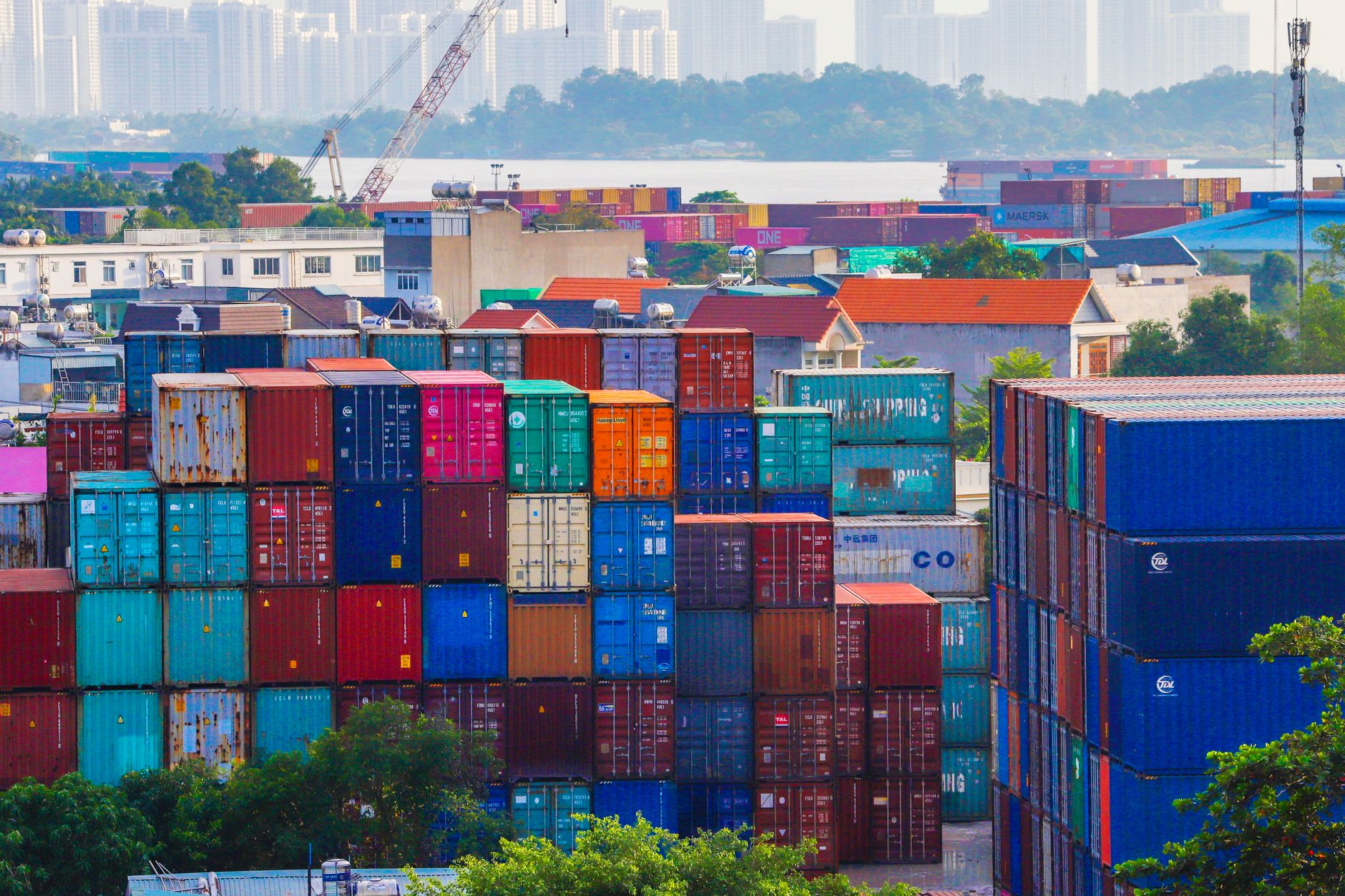
The structural problem is that rerouting decisions happen at the importer level, but the congestion they create is a collective one. When dozens of companies simultaneously redirect freight through the Port of Los Angeles, the Port of Houston, or the growing cluster of Gulf Coast facilities, the infrastructure absorbs the shock unevenly. Crane scheduling, chassis availability, drayage capacity, and warehouse proximity all become bottlenecks at the same time. None of these variables scale overnight.
Demurrage – the fee charged when containers aren’t picked up from a port terminal within the allotted free time – has been the most visible cost for importers dealing with these backups. When port yards fill up and drayage trucks can’t get in to move boxes, containers sit. When containers sit past the free period, fees start at around $75 to $150 per day per container and climb from there. During peak congestion episodes, some importers have reported per-container charges running well into the thousands of dollars before freight is finally retrieved. That’s before detention fees on chassis and before any accessorial charges layered on by carriers.
The diversification of sourcing geography compounds the problem. Vietnam and Bangladesh can now absorb more apparel and electronics production than they could five years ago, but the feeder vessel networks, regional consolidation hubs, and ocean carrier alliances serving those origins were not designed around the volume now being asked of them. Transit times are longer, vessel reliability is lower, and when multiple shipments arrive simultaneously at the same U.S. port of entry after a delayed crossing, the congestion spikes sharply. Trucking capacity on the inland side is its own crisis, and the disconnect between port discharge rates and available drayage trucks amplifies every delay.
The Fee Structures That Hit Hardest
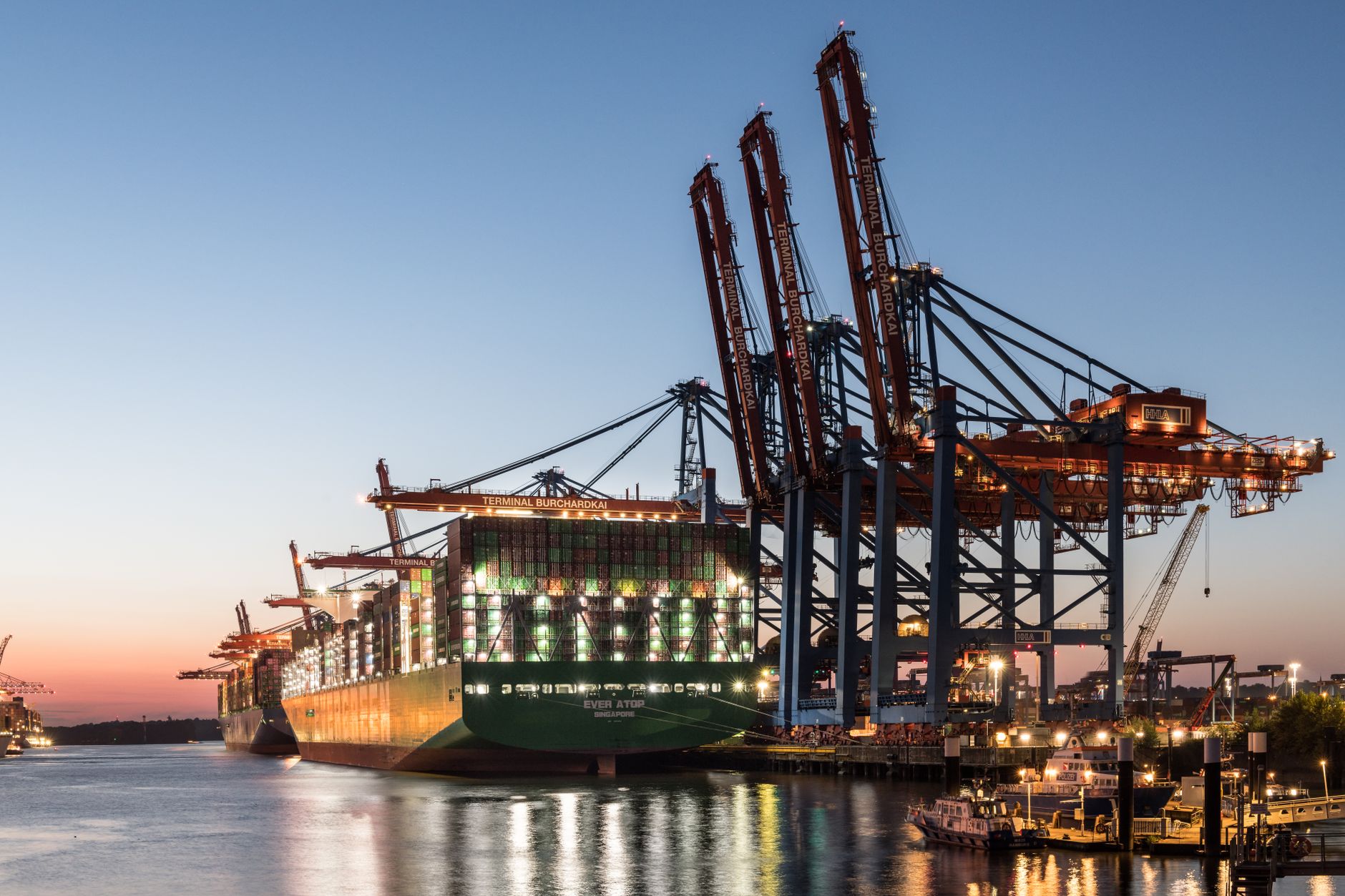
Not all congestion fees arrive on the same invoice or at the same time, which makes them particularly difficult to forecast. Ocean carriers issue port congestion surcharges on top of base freight rates – these can appear mid-shipment when conditions deteriorate after booking. Terminal operators charge demurrage separately. Chassis providers apply their own detention fees. And freight forwarders may add administrative fees for rebooking or cargo rerouting when original vessel itineraries are disrupted. A single delayed shipment can generate charges from four or five different parties simultaneously.
For small and mid-sized importers who operate on thin gross margins, this fee layering creates a liquidity problem, not just a cost problem. Payment terms on freight charges are typically short – net 7 to net 15 in many cases – while the inventory those containers hold may take 60 to 90 days to convert to receivables. That gap is being stretched further as some importers choose to delay picking up containers and absorb the demurrage rather than pay expedited drayage rates to move freight faster. Both options are expensive. The choice between them is a function of cash position, not strategy.
The larger importers with dedicated logistics teams and negotiated carrier contracts are not immune, but they have more tools. They can split shipments across multiple ports to distribute risk, they can pre-position chassis, and they can use inland container depots to move boxes off marine terminals faster. Companies without that infrastructure are paying the full sticker price on every delay.
What Happens Next at the Terminals
Port authorities and terminal operators have limited short-term options. Adding crane capacity takes years and capital. Expanding terminal footprint in already-dense port districts is a permitting and land-acquisition challenge measured in decades, not quarters. The near-term levers are operational – extended gate hours, appointment system adjustments, off-peak incentive programs, and early retrieval discounts. Several major terminals have already rolled out or expanded these programs, but uptake has been uneven because the trucking and warehousing capacity to act on early retrieval windows isn’t always available to importers who need it most.
There is a secondary pressure building behind the congestion itself: inventory accumulation. When freight arrives faster than it can be processed and moved to distribution points, warehouse space tightens alongside port yards. That downstream pressure feeds back into port dwell times as importers find they have nowhere to send containers even when they can retrieve them. The warehouse inventory correction playing out across industrial real estate markets is directly relevant here – some markets have more sublease space than net new availability, which means the apparent glut is not always in the right geography for importers rerouting through new port gateways.
The tariff logic that triggered this chain of events is also not static. New exemption categories, adjusted duty rates, and potential trade negotiations can shift importer behavior again within weeks. Every reversal or adjustment requires another round of supply chain replanning – and another potential surge at whichever ports happen to become the new preferred entry point. The fee structures, the dwell times, and the congestion pricing don’t reset just because the tariff schedule does.
For importers who thought rerouting would insulate them from tariff costs, the port congestion bill arriving now is a hard correction to that assumption – and there is no obvious moment when it stops arriving.