




The Quiet Cost Creep at the Gate
Port drayage fees – the charges attached to moving containers by truck between marine terminals and nearby depots or distribution points – have climbed steadily over the past two years, and the operators absorbing those increases are running out of room to maneuver. Inland container depots, which serve as staging grounds for empty and loaded containers between port and final destination, sit at a particularly exposed point in this chain: they pay drayage costs on the front end and face fixed lease, labor, and handling rates on the back end, leaving margin compression as the only mathematical outcome when neither side bends.
What makes this pressure unusual is how quietly it has accumulated. There has been no single dramatic rate spike to point to, no headline-grabbing carrier announcement. Instead, the increases have arrived through fuel surcharge adjustments, chassis rental add-ons, terminal congestion fees, and after-hours gate charges – each line item modest on its own, collectively significant over a fiscal quarter.
How the Fee Structure Has Shifted
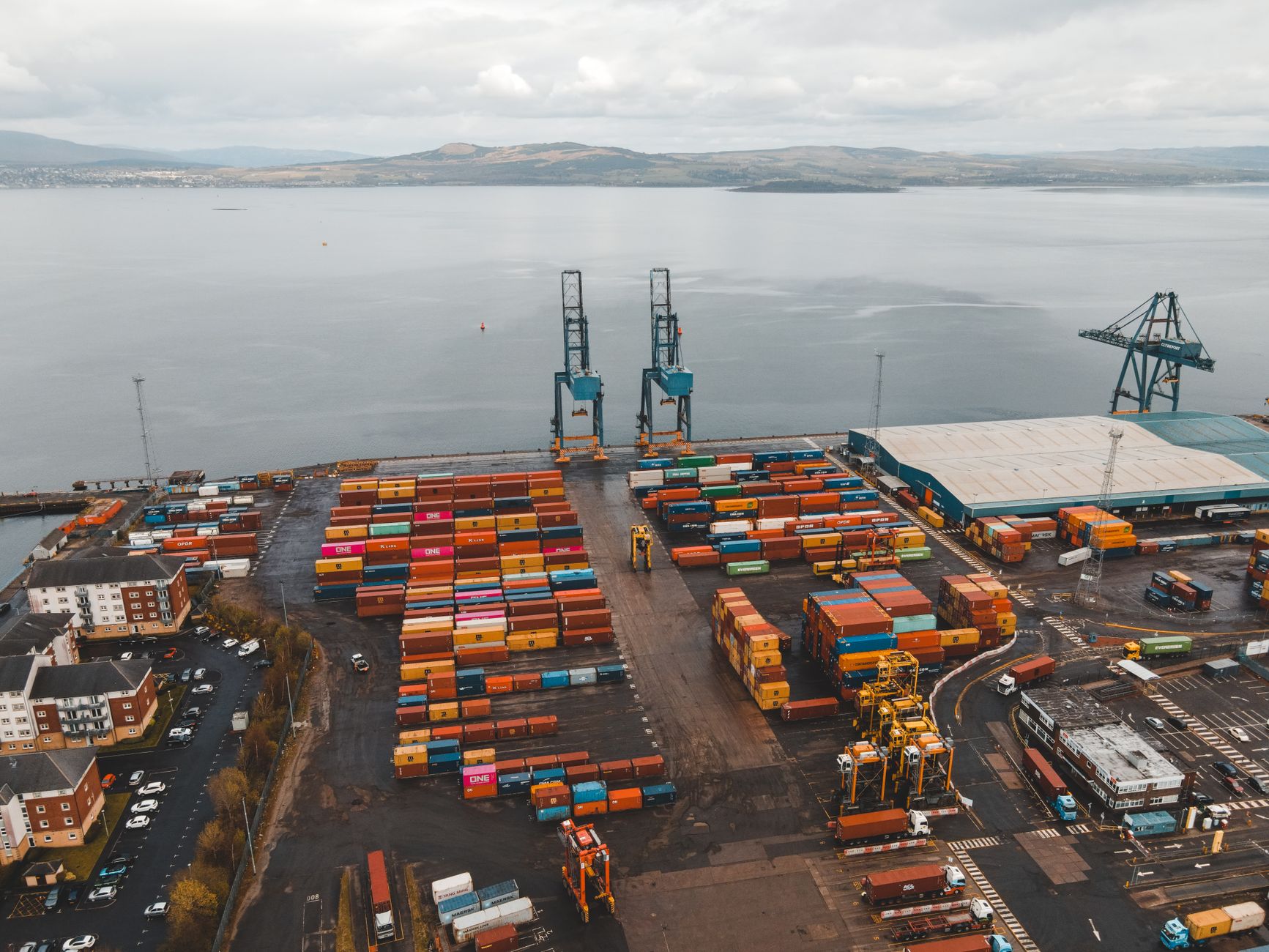
Drayage pricing was never simple, but the complexity has deepened. The base per-container rate from port terminal to depot covers only part of the actual cost. Chassis shortages at major gateway ports have pushed chassis rental fees higher, with daily rates rising in some markets. When a depot operator arranges drayage for an import container, they may now be paying not just the haul rate but also a chassis split fee, a port congestion surcharge if the terminal is running behind schedule, and a potential detention charge if the trucker waits beyond the allotted free time at the terminal gate. Each of these charges is legitimate and individually defensible – together, they add meaningfully to the per-move cost.
The chassis problem is worth isolating. Equipment imbalances at ports have created situations where truckers must pick up a chassis from one location, reposition it to the terminal, pick up the container, and deliver – a sequence that inflates both time and cost relative to a straight drayage move. Depot operators who handle high container volumes absorb this inflation across dozens of moves per week, and the cumulative effect on weekly operating costs is material.
Terminal operating hours have also become a friction point. Several major ports have worked to expand gate hours to reduce congestion, but off-peak and weekend gate access often carries premium pricing that flows directly into drayage invoices. For depots that need to manage container flows continuously rather than batch them into peak windows, those premium charges are essentially unavoidable – a cost of keeping inventory moving and storage space from becoming a bottleneck.

Why Depot Margins Are Structurally Vulnerable
Inland container depots operate on contracts that are typically negotiated annually or semi-annually with shipping lines, freight forwarders, and cargo owners. Those contracts establish handling rates, storage fees, and service charges well in advance. When drayage costs move between contract cycles, depots have no straightforward mechanism to pass the increase through to customers immediately. The result is a gap: the depot bears current market drayage costs against contract revenue that was priced under last year’s conditions.
This contract-lag dynamic is not new, but it becomes more damaging as the frequency and size of fee adjustments increase. A depot managing thin margins on storage and handling fees cannot absorb repeated mid-cycle cost increases without eventually compromising either service quality or its own financial position.
The Compounding Pressure on Smaller Operators
Large logistics companies with integrated drayage fleets have partial insulation from this squeeze. When a company owns or directly manages its own trucks, internal transfer pricing can be adjusted, and the drayage cost functions more as an accounting entry than an external invoice. Independent inland depots without that integration are price-takers on drayage, fully exposed to whatever the carrier market dictates on any given week.
The scale problem makes it worse for smaller operators. A depot processing 50 container moves per week has very little negotiating leverage with a drayage carrier. Volume commitments are too small to earn meaningful rate concessions, and the trucker knows the depot has limited alternatives if the nearest other carrier quotes the same or higher. Larger depots can commit to weekly move guarantees that unlock rate locks, but those commitments carry their own risk if container volumes fluctuate. This dynamic is not entirely different from other small-business cost pressures visible across the economy – small business loan conditions have tightened at the same time, making it harder to bridge cash flow gaps that fee increases create.
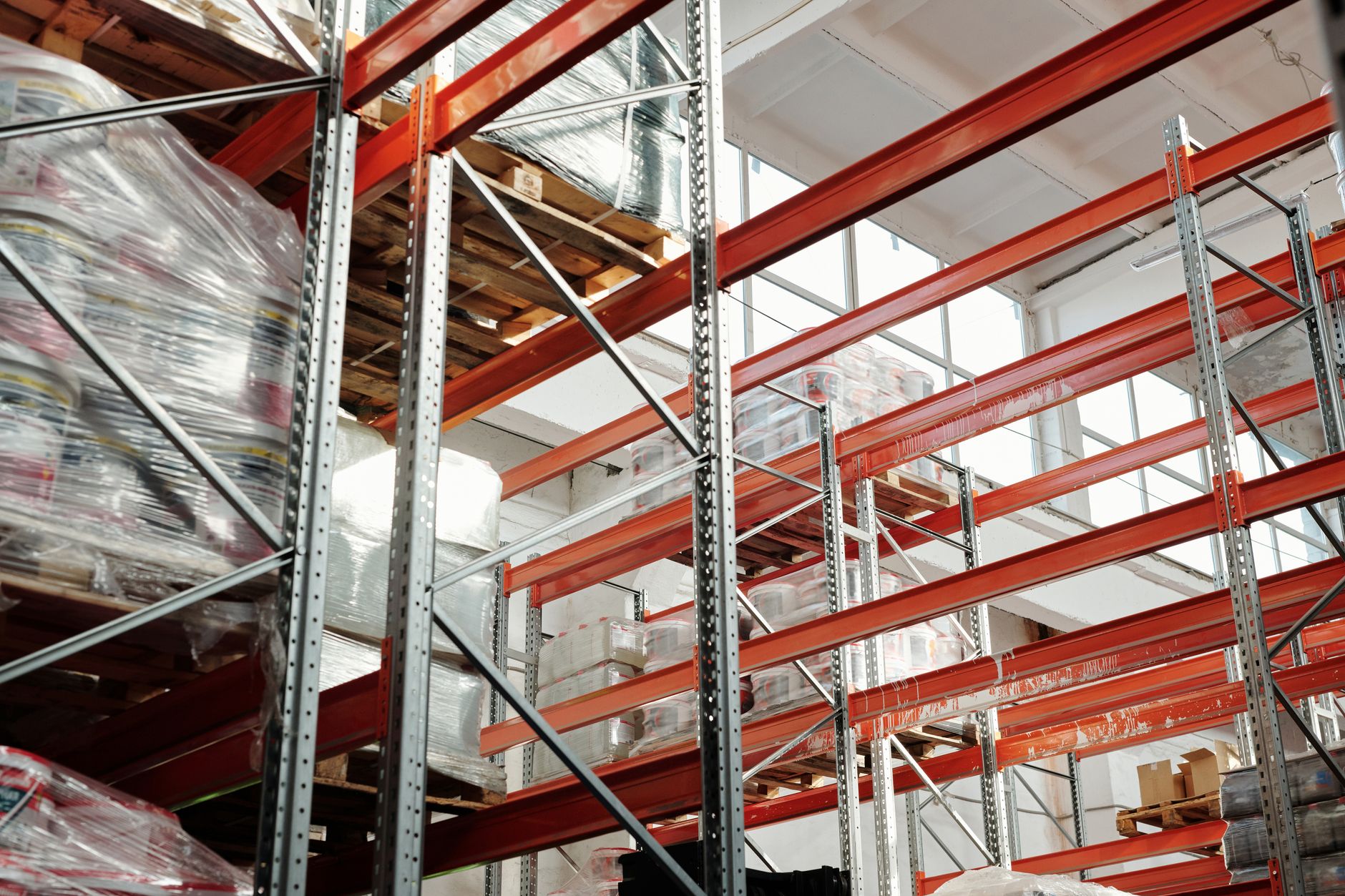
Operational efficiency improvements can soften the impact but cannot eliminate it. Depots that consolidate move scheduling, reduce dwell time for containers awaiting drayage, and coordinate chassis returns more tightly can lower their exposure to detention and demurrage charges. These are real savings, but they represent optimization at the margins rather than a structural fix to the underlying fee trajectory. At some point, operational discipline has extracted most of the available savings and what remains is a straight cost that must either be passed to customers or absorbed as lower margin.
Contract renegotiation cycles are shortening as a result. Depot operators that previously worked on annual agreements are pushing customers toward six-month terms, with language that allows for cost pass-through if drayage rates exceed a defined threshold during the contract period. Shipping lines and freight forwarders have been resistant – they want price certainty on their end – which means these renegotiation conversations often stall, leaving depots holding the exposure. The operators with the most leverage in those discussions are the ones with geographic advantage: a depot that sits at the only practical inland staging point for a particular corridor can extract better terms than one competing with three alternatives in the same market. For everyone else, the fee math continues to work against them.