




The Pension Bill That Never Stops Growing
Public transit agencies across the country are caught in a slow financial squeeze that rarely makes headlines: pension obligations accumulated over decades are consuming an ever-larger share of operating budgets, leaving less money to fix tracks, replace buses, and modernize fare systems. The dynamic is not dramatic enough to trigger a crisis alert, but it is persistent enough to quietly redirect billions of dollars away from the infrastructure that riders actually see and use.
Pension costs for transit workers – operators, mechanics, station agents – are structured as defined-benefit plans in most major systems. That means agencies owe a guaranteed monthly payment to retirees regardless of how well their pension funds performed in any given year. When investment returns fall short of assumptions, the gap does not disappear. It gets added to the employer’s required contribution in future years, compounding the pressure on already strained operating budgets.
The math is unforgiving.
How Pension Payments Crowd Out Capital Spending
Transit agencies typically operate with two distinct budget buckets: an operating budget that covers daily costs like wages, fuel, and benefits, and a capital budget that funds long-term infrastructure projects like rail car purchases, station renovations, and signal upgrades. Federal grants, mostly through the Federal Transit Administration, are structured to fund capital projects – not operating deficits. That separation sounds orderly on paper, but pension cost growth has a way of blurring the line.
When pension contributions rise faster than fare revenue and local tax subsidies, agencies face a choice: cut services, raise fares, or divert money from capital reserves. Many choose the third option quietly, drawing down reserves or delaying capital projects rather than making a politically painful cut to bus routes or a publicly visible fare increase. Transit agencies already face pressure on fare revenue as ridership patterns remain volatile, which makes the pension math even harder to absorb without touching capital reserves.
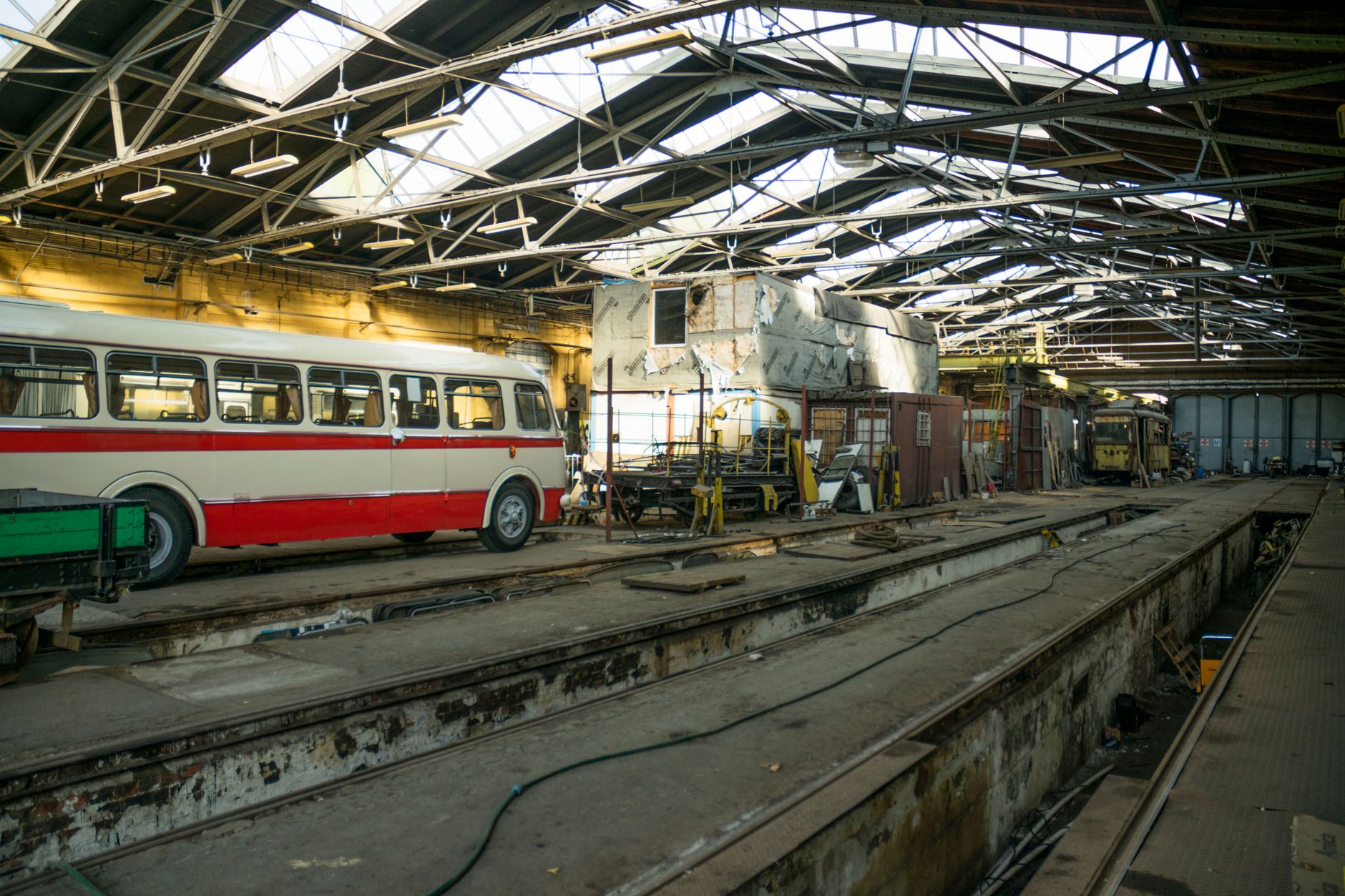
The result is a fleet that ages faster than planned, stations that sit in states of half-finished repair, and signal systems running on technology that should have been replaced years ago. None of these deferred investments disappear. They accumulate into a larger future bill – one that is now competing for space with the pension shortfall that caused the deferral in the first place.

Why the Shortfalls Keep Growing
Pension fund actuaries set long-term return assumptions that agencies use to calculate how much they need to contribute each year. Those assumptions – often in the range of seven percent annually – made reasonable sense during extended bull markets. But a single year of poor returns or a prolonged period of below-target performance forces agencies to make up the difference through higher contributions, sometimes spread over years or even decades. The obligation is sticky in a way that almost no other budget line is.
Retirement age patterns in transit work add another layer. Many transit labor contracts allow workers to retire with full benefits after a set number of years of service rather than at a specific age. That means a worker who starts at twenty-two can retire in their mid-forties and draw pension payments for thirty or forty years – a liability profile that is structurally more expensive than Social Security-style systems and harder to pre-fund accurately. Agencies that negotiated these terms during expansion years now carry them through periods of flat or declining ridership.
Some states have moved to shore up pension systems through hybrid structures that combine defined-benefit components with defined-contribution elements for newer hires. That approach stops the bleeding at the margin but does nothing for the existing unfunded liability, which continues to require contributions from operating budgets year after year. Closing a funding gap measured in billions does not happen over a budget cycle – it happens over a generation, and the capital projects waiting in line have to survive that wait.
A Structural Problem With No Convenient Exit
There is no budget line item labeled “deferred infrastructure due to pensions.” The crowding-out effect shows up instead as a rail car that stays in service two years past its scheduled replacement, a station elevator that sits broken for six months while work orders pile up, or a capital improvement plan that gets quietly revised every year with the most expensive projects pushed further into the future. The agencies absorbing this pressure are not failing visibly – they are managing it in ways that make the problem invisible until the infrastructure fails publicly and expensively, and by that point the conversation has already moved away from pensions and toward why the system is falling apart.
Frequently Asked Questions
Why do transit pension costs keep rising even when agencies cut services?
Defined-benefit pension plans require mandatory contributions based on actuarial formulas. When fund investments underperform, agencies must make up the difference in future years regardless of service levels or fare revenue.
How do pension shortfalls affect riders directly?
When pension costs consume more of an operating budget, agencies defer capital projects like fleet replacements and station repairs, which leads to older equipment, longer maintenance delays, and slower service over time.