





The pandemic promised a remote work revolution, but nobody predicted where those liberated workers would land. While tech executives debated return-to-office mandates, millions of Americans quietly packed their apartments and headed for small cities across the heartland. What started as a temporary escape from high-cost urban living has become a permanent demographic shift, transforming housing markets in places that haven’t seen this kind of growth in decades.
Cities like Boise, Idaho; Austin, Texas; and Chattanooga, Tennessee are experiencing unprecedented demand from remote workers seeking affordable living without sacrificing career opportunities. The numbers tell a striking story: median home prices in these markets have jumped 30-50% since 2020, while rental vacancy rates have plummeted to historic lows. Local real estate agents report bidding wars that would make San Francisco veterans wince, with cash offers from out-of-state buyers becoming the new normal.
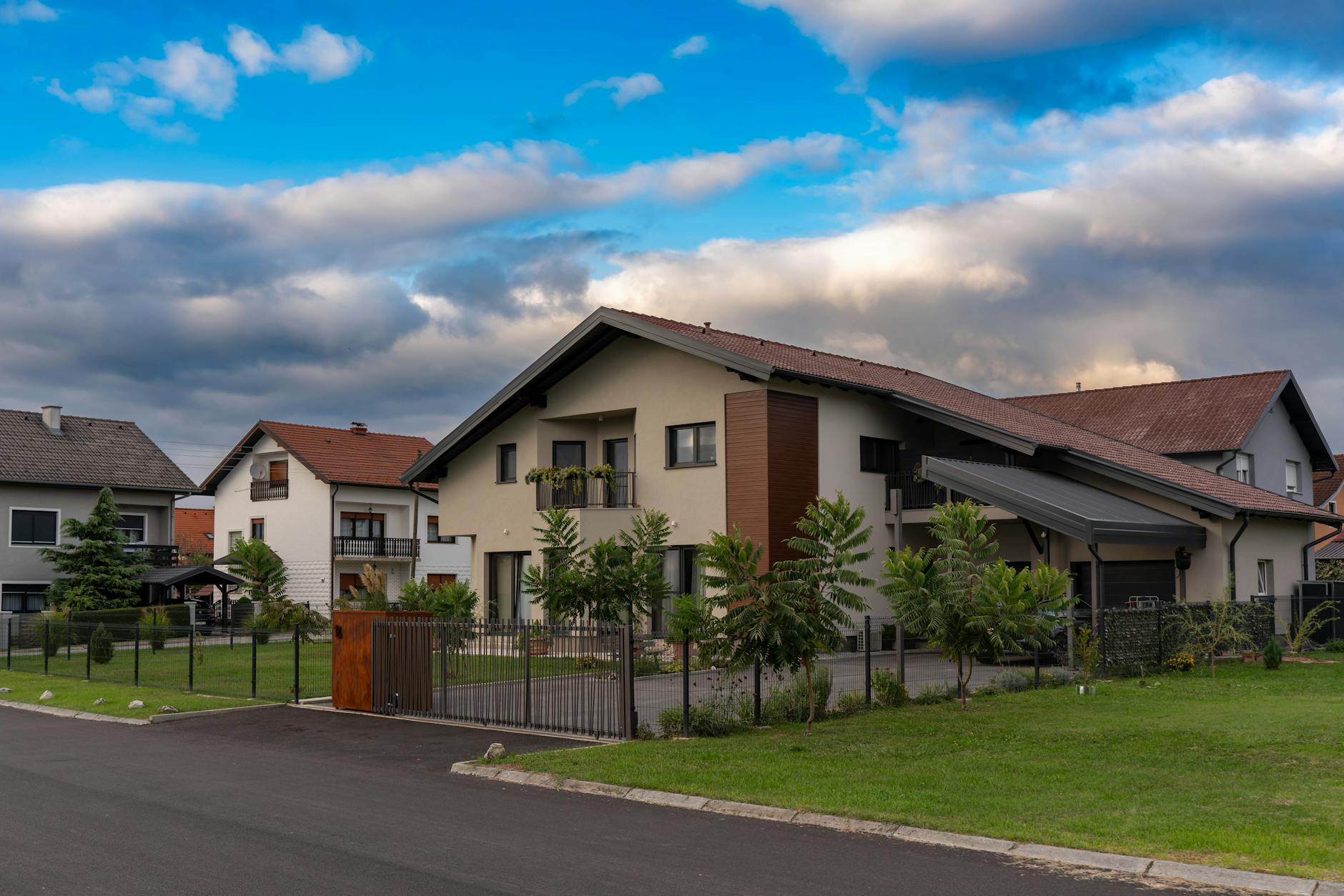
The Great Migration Reshapes Local Economies
The influx of remote workers earning coastal salaries while living in lower-cost markets has created a new economic dynamic. Sarah Chen, a software engineer who moved from Seattle to Boise in 2021, exemplifies this trend. “I kept my six-figure tech salary but cut my housing costs in half,” she explains. “Suddenly I could afford a house with a yard instead of a studio apartment.”
This wage arbitrage effect ripples through entire communities. Local businesses benefit from customers with higher disposable income, while service industries expand to meet new demand. Coffee shops that once struggled to fill morning shifts now hire additional baristas to serve remote workers seeking alternatives to home offices. Restaurants experiment with lunch specials targeting the work-from-home crowd, and coworking spaces pop up in former retail locations.
The transformation extends beyond consumer spending. Many remote workers eventually start local businesses or invest in real estate, multiplying their economic impact. Chen recently purchased a second property as a rental investment, joining thousands of newcomers who see opportunity in their adopted hometowns.
Housing Supply Struggles to Keep Pace
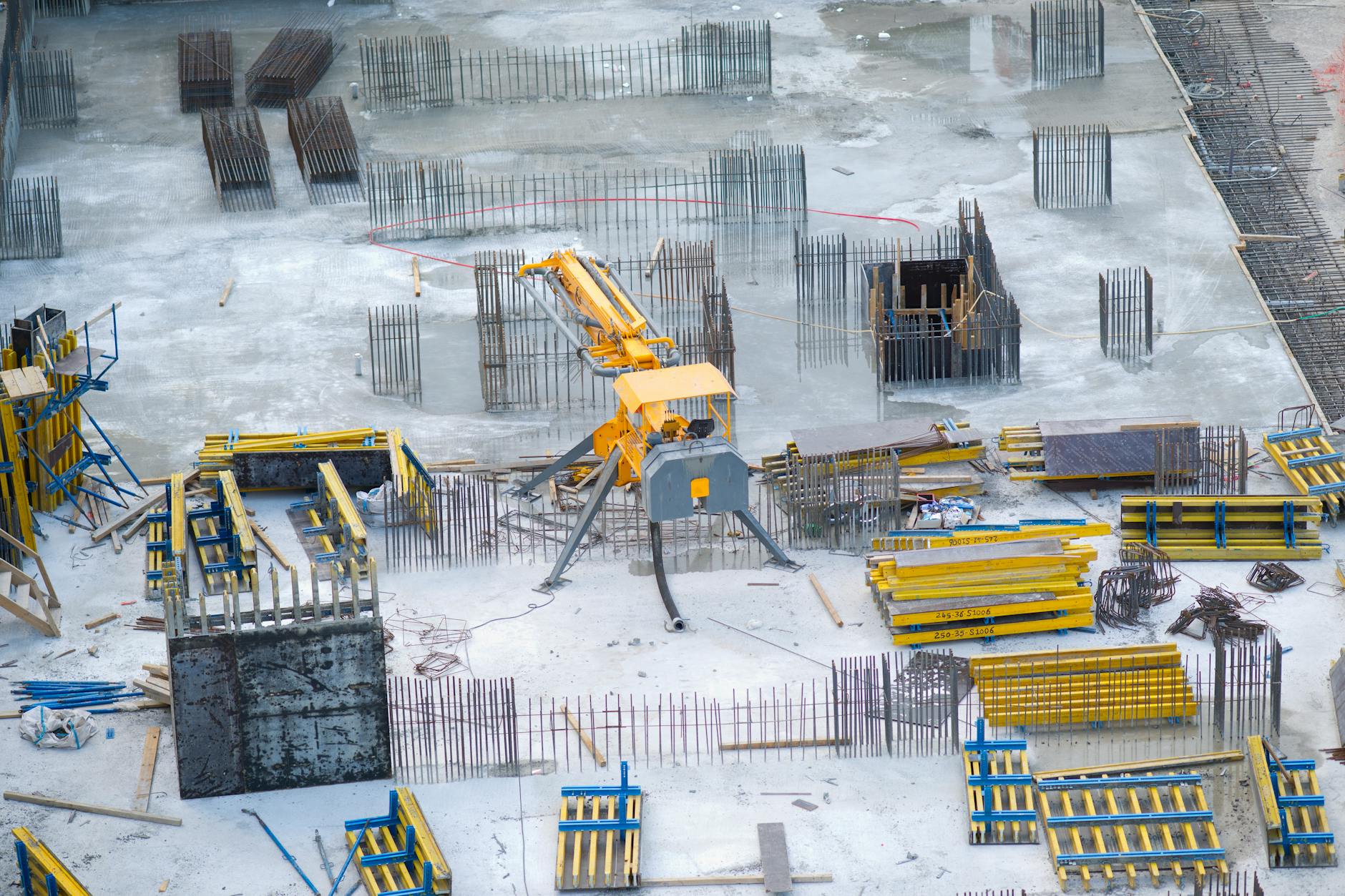
The sudden population surge has exposed critical housing supply constraints in markets unprepared for rapid growth. Boise’s housing inventory dropped to just two weeks of supply in early 2022, compared to the six-month supply considered balanced. Construction crews work overtime, but building new homes takes time and faces its own challenges.
Labor shortages plague the construction industry, with skilled tradespeople in high demand across multiple booming markets simultaneously. Material costs remain elevated, and local permitting processes designed for slower growth struggle to adapt. The result: a supply-demand imbalance that shows little sign of quick resolution.
Local governments face difficult choices. Rapid growth brings tax revenue and economic vitality, but also strains infrastructure and changes community character. Some cities have implemented impact fees for new development, while others streamline permitting to encourage faster construction. The manufacturing revival in many of these same communities adds another layer of housing demand as factory workers compete with remote professionals.
Winners and Losers in the New Landscape
Not everyone benefits equally from this transformation. Long-time residents often find themselves priced out of neighborhoods they’ve called home for generations. Starter homes that once sold for $150,000 now command $250,000 or more, placing homeownership beyond reach for many local families earning regional wages.
Renters face particular challenges as landlords raise rents to market rates driven by newcomer demand. Property taxes climb as assessments reflect surging home values, forcing some seniors and fixed-income residents to relocate. The irony is stark: workers fleeing high-cost coastal cities for affordability sometimes recreate the same pressures they sought to escape.
However, the economic benefits are substantial for property owners, local businesses, and governments. Tax bases expand dramatically as higher-value homes and increased consumer spending generate revenue. Cities invest in parks, cultural amenities, and infrastructure improvements that enhance quality of life for all residents. Employment opportunities diversify as companies follow remote workers or establish satellite offices.
Young locals benefit from expanded job markets and entrepreneurial opportunities. Many start businesses serving newcomers or leverage remote work themselves to earn higher wages while staying in their hometowns. The key lies in managing growth thoughtfully to preserve affordability and community character while capturing economic benefits.
The Path Forward
The remote work migration appears permanent rather than temporary, with surveys showing most relocated workers plan to stay in their new communities long-term. This creates both opportunities and obligations for local leaders to plan sustainable growth.
Successful cities are adopting comprehensive strategies that include zoning reform to allow diverse housing types, workforce development programs to train local residents for higher-paying jobs, and infrastructure investments to support growing populations. Some establish first-time buyer programs to help locals compete with cash-rich newcomers, while others create affordable housing requirements for new developments.
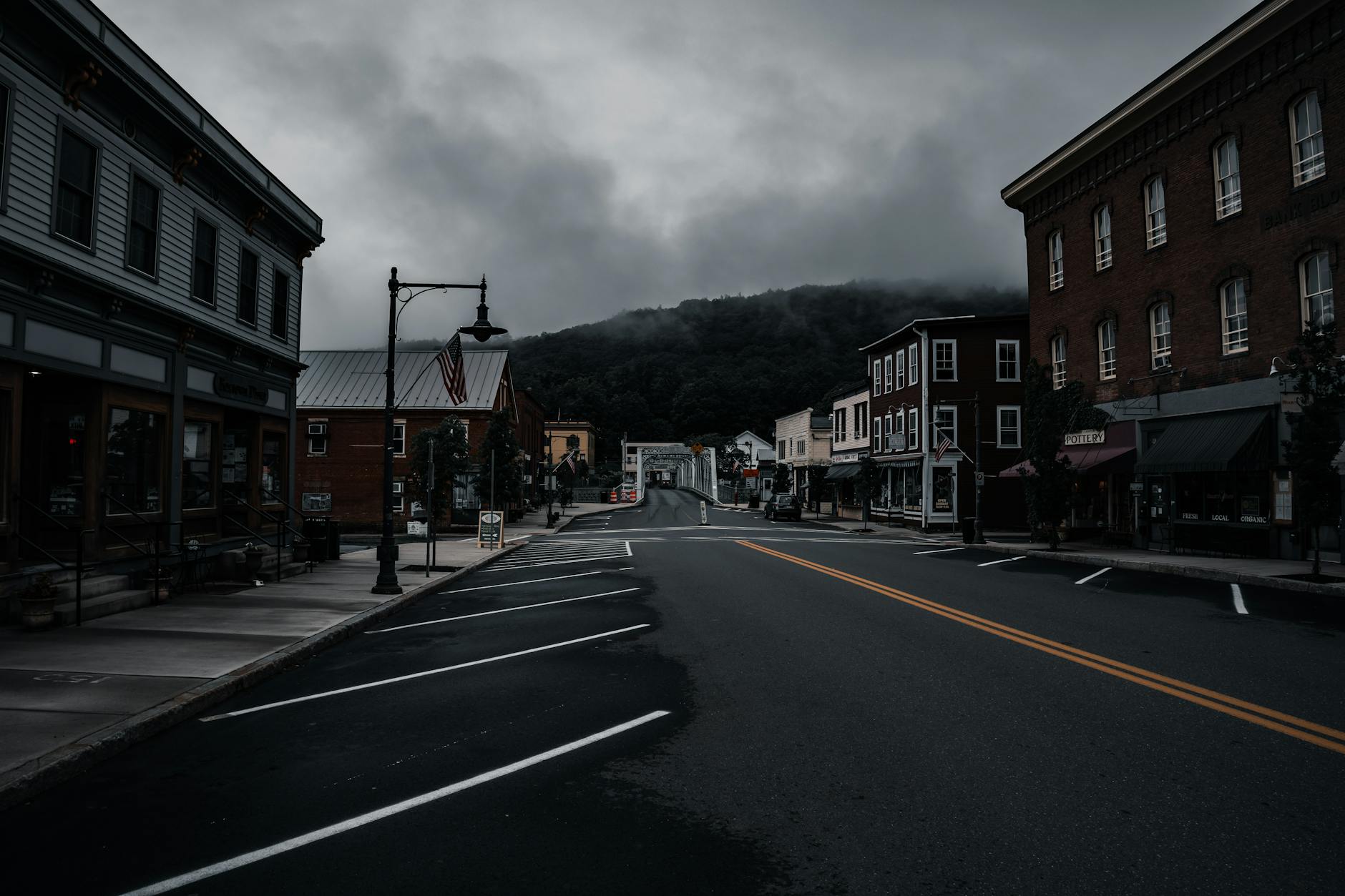
The transformation of small city housing markets reflects broader economic changes accelerated by the pandemic. Remote work technology, once a novelty, has become standard practice for millions of professionals. This shift promises to continue redistributing population and economic activity across the country, creating opportunities for communities that embrace change while managing its challenges thoughtfully.
As this migration enters its fourth year, the most successful destinations will be those that balance growth with affordability, welcoming newcomers while supporting existing residents. The cities that master this balance will emerge as the new American success stories of the post-pandemic economy.
Frequently Asked Questions
Which cities are seeing the biggest remote worker influx?
Boise, Austin, Chattanooga, and similar mid-sized cities with lower costs but good amenities are experiencing the largest population growth from remote workers.
How much have home prices increased in these markets?
Median home prices have jumped 30-50% since 2020 in popular remote work destinations, with some markets seeing even higher increases.