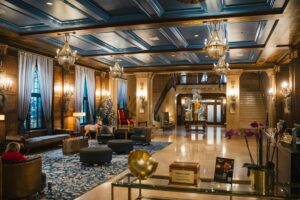





Downtown Cleveland’s iconic Terminal Tower once housed thousands of office workers. Today, construction crews gut its upper floors, transforming corporate cubicles into luxury condominiums. The scene repeats across America as remote work policies reshape the urban landscape, creating an unprecedented wave of office-to-residential conversions.
The pandemic accelerated a transformation that real estate experts predict will define the next decade. Major corporations maintaining hybrid schedules need significantly less office space, while housing shortages in urban cores create perfect conditions for adaptive reuse projects. Cities from Pittsburgh to Portland witness former corporate headquarters becoming apartment buildings, fundamentally altering their economic geography.
The Economics of Empty Offices
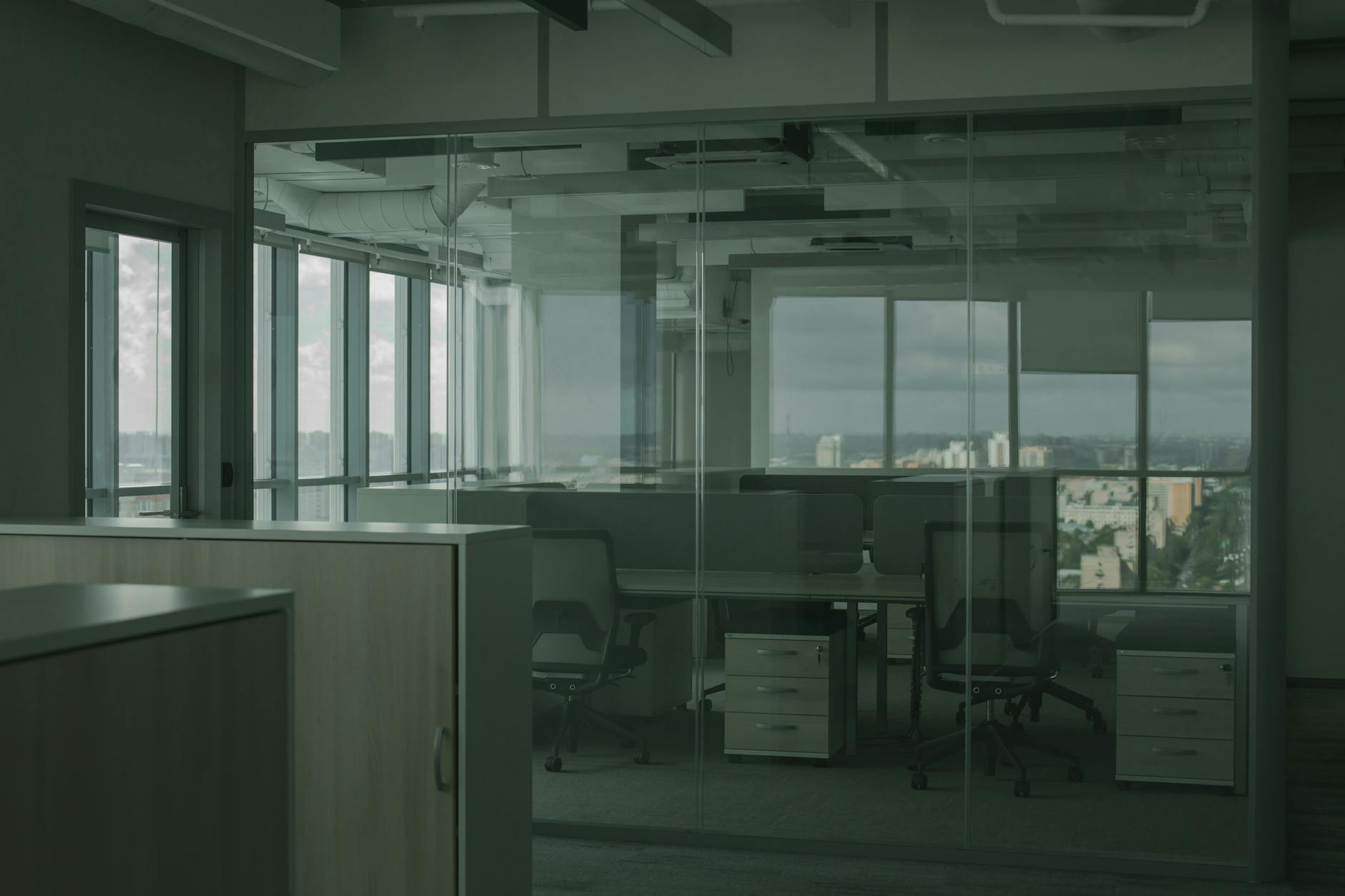
Office vacancy rates in major metropolitan areas have reached levels not seen since the 1990s recession. San Francisco reports vacancy rates exceeding 25%, while cities like Chicago and Boston hover around 20%. These figures don’t capture the full picture – many companies maintain leases but use fraction of their space, creating “zombie offices” that appear occupied but remain largely empty.
Real estate investment trusts specializing in office properties have seen their values plummet. Boston Properties, one of the largest office REITs, traded at half its 2019 peak as investors recognize the structural shift in workplace patterns. The ripple effects extend beyond property owners to municipal tax bases, as commercial real estate typically generates more revenue per square foot than residential properties.
Conversion projects offer a lifeline for struggling office buildings, particularly older structures that lack the high-tech amenities modern businesses demand. Buildings constructed before 1980 often feature floor plates and ceiling heights that translate well to residential use, making them prime candidates for transformation.
Regulatory Hurdles and Municipal Response
Converting office space to residential use requires navigating complex zoning laws, building codes, and permitting processes that vary dramatically by jurisdiction. Many cities maintain strict separation between commercial and residential zones, legacy regulations that don’t account for the current market reality.
New York City recently streamlined its conversion process, eliminating certain regulatory barriers that previously made projects financially unfeasible. The city’s Department of Buildings created a dedicated team to fast-track residential conversion applications, recognizing the dual benefit of addressing housing shortages while revitalizing commercial districts.
Chicago implemented similar reforms, allowing developers to convert office buildings to residential use without lengthy rezoning processes in designated downtown areas. The city council approved expedited permitting for projects that include affordable housing units, incentivizing mixed-income developments.
However, not all municipalities embrace these changes. Suburban communities often resist office-to-residential conversions, fearing increased traffic and strain on local services. These communities typically prefer commercial properties that generate tax revenue without requiring extensive public services like schools and emergency response.
Design Challenges and Creative Solutions
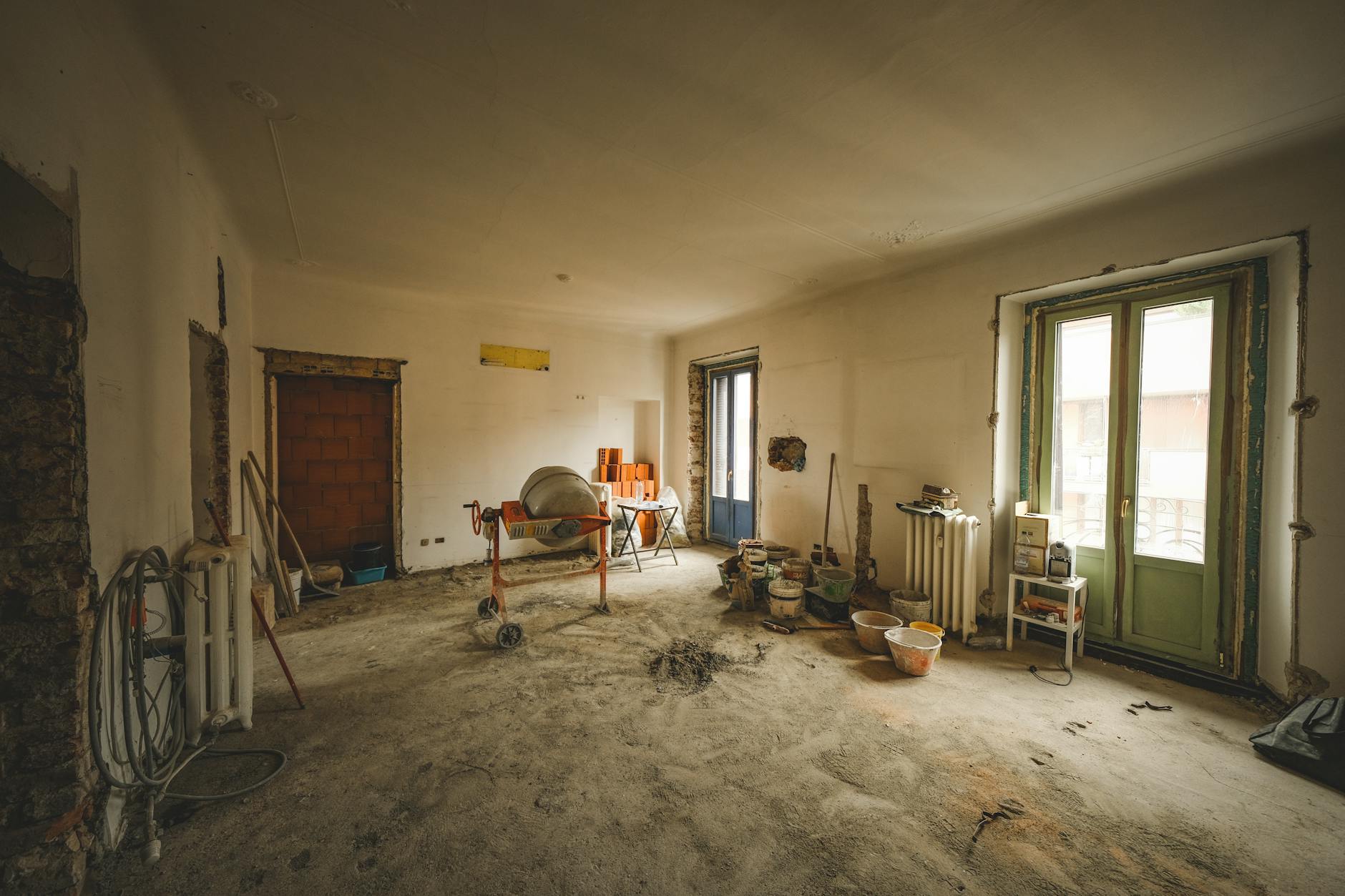
Transforming office buildings into livable spaces presents unique architectural challenges. Office buildings typically feature deep floor plates with limited natural light penetration, problematic for residential units that require windows in bedrooms and living areas. Developers employ creative solutions, including central courtyards, light wells, and innovative unit layouts that maximize window exposure.
Plumbing infrastructure poses another significant hurdle. Office buildings concentrate bathrooms in core areas, while residential units require distributed plumbing throughout each floor. This necessitates extensive renovation that can cost millions of dollars but remains more economical than demolition and new construction.
The most successful conversions often involve buildings with favorable characteristics: floor-to-ceiling heights of at least 9 feet, structural systems that allow for flexible wall placement, and proximity to retail and transportation amenities. Buildings that originally served as department stores or light manufacturing facilities often convert more easily than purpose-built office towers.
Some developers embrace the industrial aesthetic, maintaining exposed ductwork, concrete floors, and other original features that appeal to urban renters. These “soft loft” conversions typically cost less than full renovations while creating distinctive living spaces that command premium rents.
Market Impact and Urban Revitalization
The conversion trend extends beyond real estate into broader urban planning discussions about mixed-use development and 24-hour neighborhoods. Areas that previously emptied after business hours now maintain residential populations that support ground-floor retail, restaurants, and entertainment venues.
Detroit exemplifies this transformation, where downtown office conversions have helped revitalize the urban core. The city’s population decline left numerous vacant office buildings that developers have successfully converted to apartments, attracting young professionals and empty nesters who prefer walkable urban lifestyles.
These changes also impact regional economic patterns. As manufacturing jobs return to Rust Belt cities through reshoring initiatives, former office buildings provide housing for workers in revitalizing industrial sectors.
The retail landscape adapts accordingly, with traditional business district restaurants and services transitioning to serve residential populations. Ground-floor spaces in converted buildings increasingly house grocery stores, dry cleaners, and other daily-need businesses rather than corporate-focused establishments.
Looking Forward: A Permanent Shift
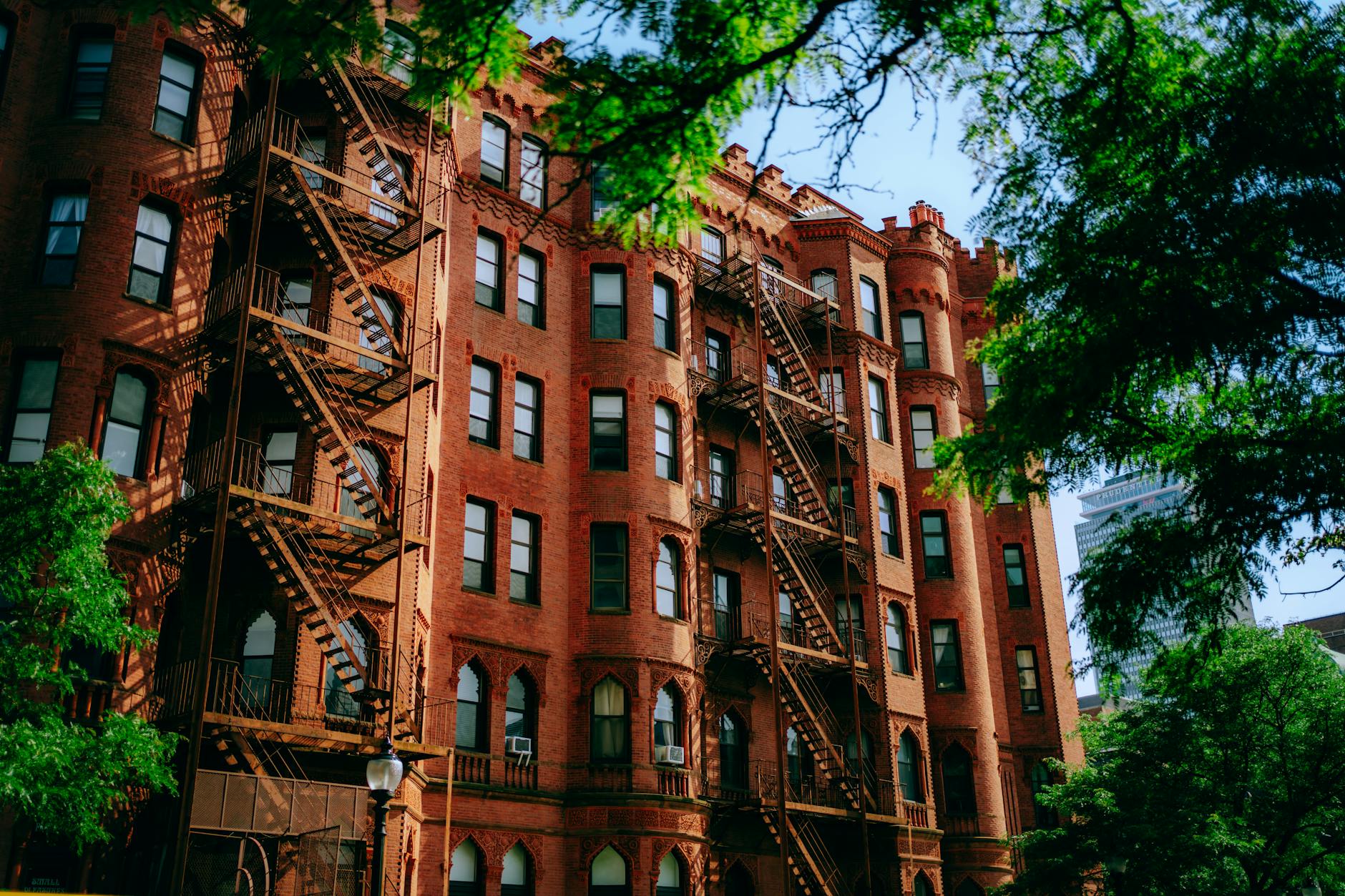
Industry analysts predict office-to-residential conversions will continue accelerating through the remainder of the decade. Remote work policies that initially seemed temporary have become permanent fixtures at major corporations, reducing long-term demand for traditional office space.
The trend coincides with demographic shifts as millennials enter their prime home-buying years while facing suburban housing shortages and affordability challenges. Urban apartment living appeals to this generation, particularly when converted spaces offer unique architectural features and walkable amenities.
Financial institutions are adapting their lending practices to support conversion projects, recognizing the sector’s growth potential despite initial skepticism. Specialized construction lenders now offer products tailored to adaptive reuse projects, understanding the unique timeline and risk profiles these developments present.
The transformation represents more than real estate market adjustment – it reflects fundamental changes in how Americans work and live. Cities that embrace these conversions through supportive policies and streamlined regulations position themselves to attract residents and businesses in an increasingly competitive landscape. The office buildings of yesterday are becoming the neighborhoods of tomorrow, reshaping American cities in ways that would have seemed impossible just five years ago.
Frequently Asked Questions
Why are office buildings being converted to apartments?
Remote work policies have created high office vacancy rates while cities face housing shortages, making conversions economically attractive.
What challenges do office-to-residential conversions face?
Key challenges include zoning regulations, plumbing infrastructure, lighting issues, and ensuring adequate natural light for residential units.