





The average American restaurant meal now costs 15% more than it did just two years ago, with some establishments pushing prices even higher as they struggle to fill vacant positions. Restaurant owners across the country report difficulty finding workers at traditional wages, forcing them to raise compensation packages and pass those costs directly to consumers.
Labor shortages have hit the restaurant industry harder than almost any other sector. The Bureau of Labor Statistics shows restaurant employment still trails pre-pandemic levels by nearly 400,000 jobs, despite unemployment rates returning to historic lows. Workers who left the industry during 2020 and 2021 have found opportunities elsewhere, often in roles offering better pay, benefits, and working conditions.
Wage Competition Drives Operating Costs Higher
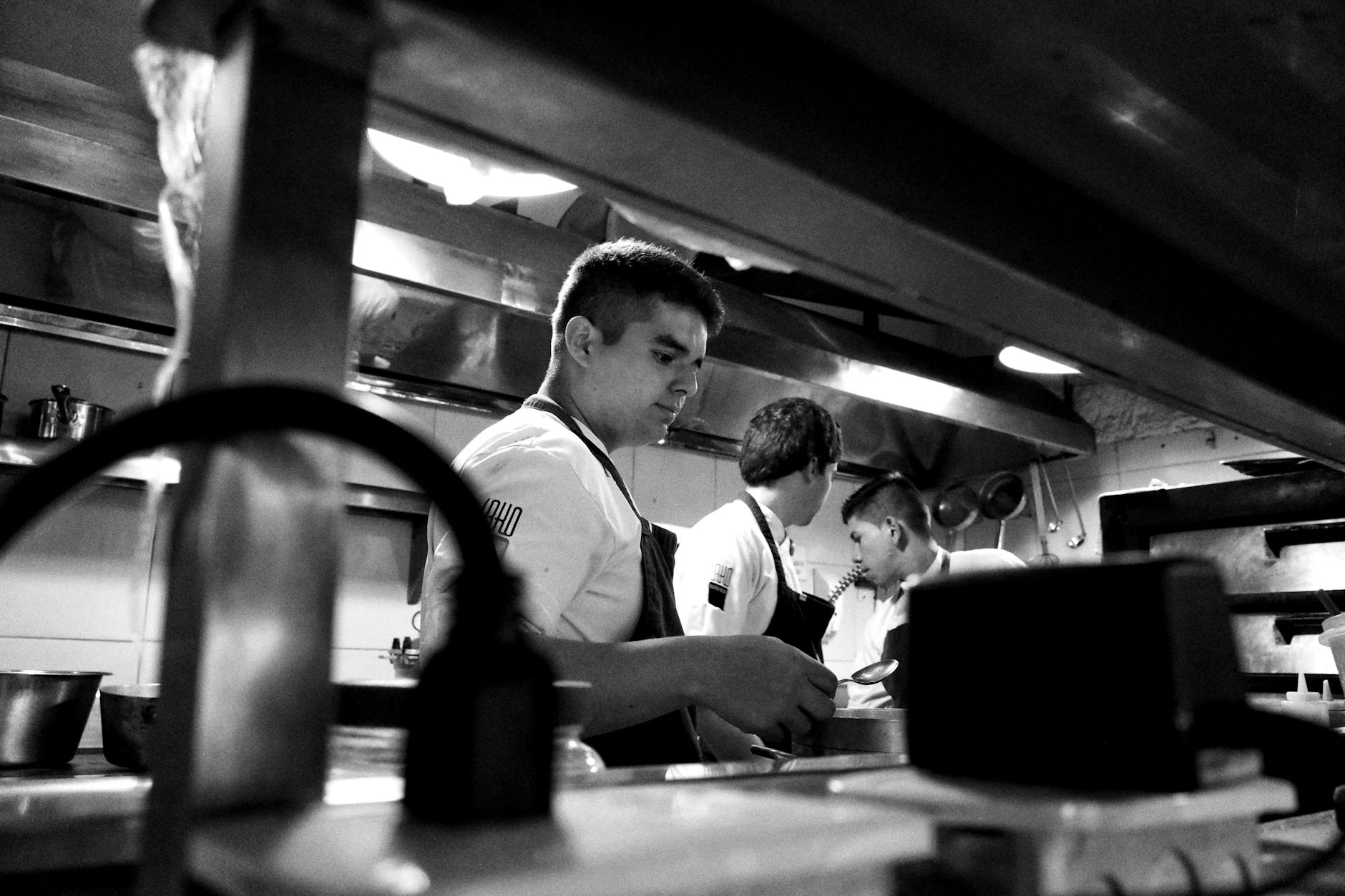
Restaurant operators now compete for workers with warehouses, retail chains, and service companies offering starting wages of $15 to $20 per hour. Many establishments that previously paid servers and kitchen staff minimum wage plus tips now advertise base rates of $12 to $18 hourly, with signing bonuses and health benefits becoming standard recruiting tools.
Chain restaurants like Chipotle, McDonald’s, and Starbucks have publicly announced wage increases exceeding 10% in many markets. Independent operators face even steeper challenges, lacking the economies of scale that help larger chains absorb higher labor costs across hundreds or thousands of locations.
Kitchen manager positions that once attracted candidates at $35,000 annually now require $45,000 to $50,000 salaries in competitive markets. Experienced chefs command premium wages, with some restaurants offering relocation packages and profit-sharing arrangements to secure talent.
The skilled labor shortage extends beyond front-of-house and kitchen staff. Restaurant maintenance, cleaning, and delivery roles also face recruitment difficulties, creating additional pressure on operating budgets already strained by food cost inflation and supply chain disruptions.
Menu Engineering Masks Rising Costs
Restaurants employ sophisticated pricing strategies to maintain profitability while minimizing customer sticker shock. Menu engineering – the practice of strategically positioning and pricing items to guide customer choices – has become more aggressive as operators seek to offset labor expenses.
Many establishments have reduced portion sizes rather than raising prices proportionally, a practice known as “shrinkflation.” A burger that cost $12 in 2022 might still cost $12 today, but with fewer fries or a smaller patty. Others eliminate lower-margin items entirely, focusing menus on dishes with higher profit margins.
Premium ingredients and “artisanal” preparations justify higher prices while creating perception of enhanced value. Simple dishes receive elaborate descriptions emphasizing local sourcing, specialty preparation methods, or unique flavor combinations. A basic chicken sandwich becomes “locally-sourced free-range chicken breast with house-made aioli and artisan brioche.”
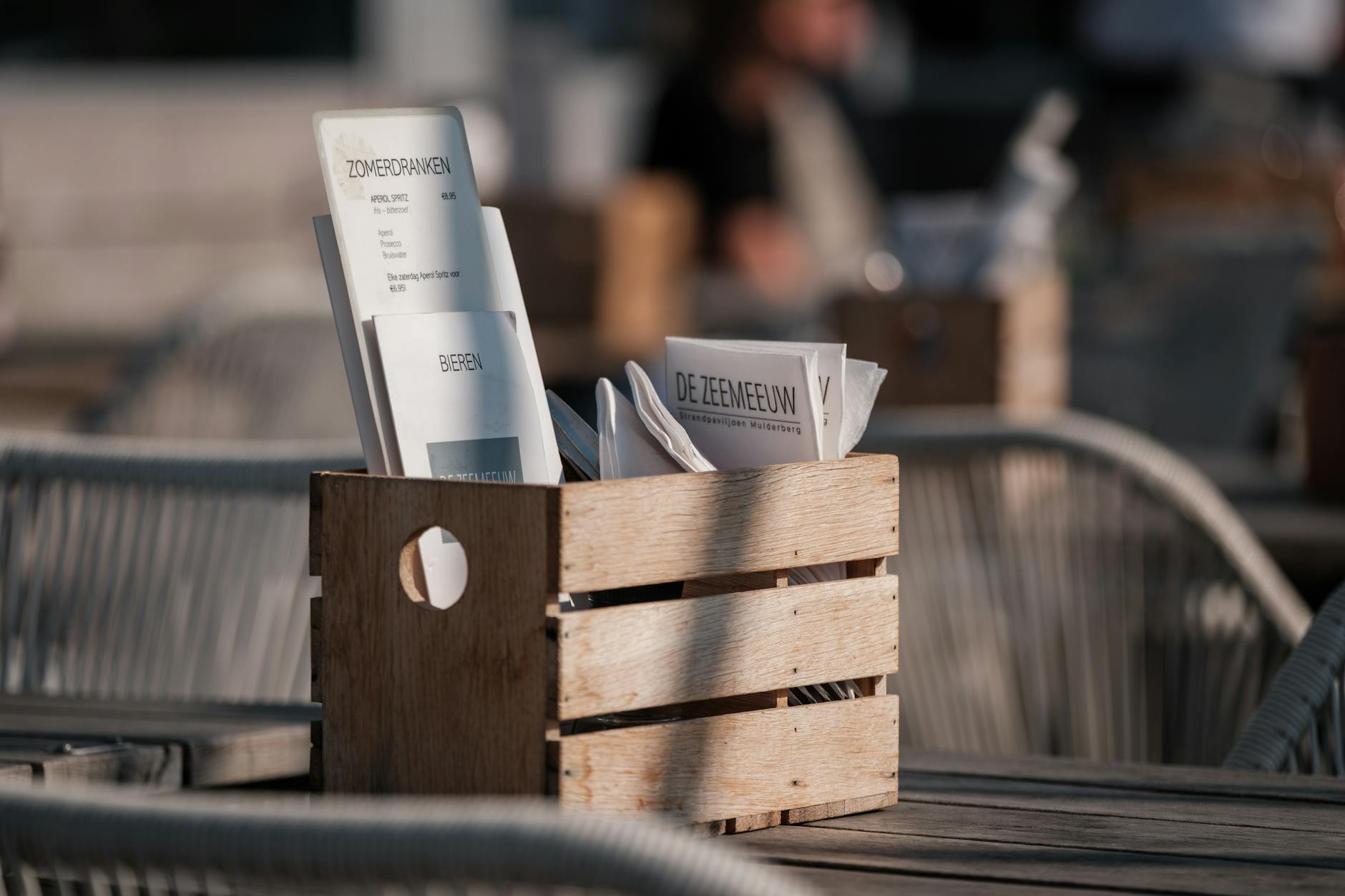
Restaurant technology helps optimize pricing strategies through dynamic menu boards and digital ordering systems that can adjust prices based on demand patterns, inventory levels, and competitor analysis. Some chains test different price points across locations to identify optimal pricing structures before implementing system-wide changes.
Regional Variations Reflect Local Labor Markets
Labor shortages and resulting price increases vary significantly across geographic regions and restaurant segments. Urban markets with higher baseline wages and living costs see more dramatic increases, while rural areas maintain relatively stable pricing despite facing their own staffing challenges.
Tourist destinations experience extreme seasonal labor shortages, with some restaurants operating on reduced schedules or closing entirely during traditionally busy periods due to insufficient staffing. Coastal and mountain resort areas that depend on seasonal workers report particular difficulty attracting employees willing to work temporary positions without housing assistance.
Fast-casual chains in suburban markets raise prices more gradually than full-service restaurants in metropolitan areas, where competition for experienced servers and bartenders drives wage premiums. Pizza delivery and quick-service restaurants face unique challenges as gig economy platforms offer drivers more flexible scheduling and potentially higher earnings.
The ongoing labor shortage intersects with broader supply chain pressures affecting multiple industries. Similar to warehouse automation trends emerging in response to rising labor costs, restaurants increasingly invest in technology solutions to reduce dependency on human workers while maintaining service quality.
Technology Solutions Offer Partial Relief
Restaurant operators accelerate adoption of labor-saving technologies to address staffing shortages and control costs. Self-service kiosks, mobile ordering apps, and tableside payment systems reduce the need for front-of-house staff while potentially improving order accuracy and customer experience.
Kitchen automation technologies gain traction in high-volume operations, with robotic systems handling repetitive tasks like food preparation, cooking, and plating. Automated beverage dispensing systems and smart kitchen equipment help reduce the skill requirements for certain positions, potentially expanding the available labor pool.
However, technology implementation requires significant upfront investment and ongoing maintenance costs. Smaller independent restaurants often lack the capital or technical expertise to deploy comprehensive automation solutions, leaving them more vulnerable to labor market fluctuations than well-funded chain operations.

The restaurant industry’s labor challenges reflect broader economic shifts as workers reassess career priorities and seek positions offering better work-life balance, advancement opportunities, and job security. While technology provides partial solutions, most restaurant operations still depend heavily on human workers for food preparation, customer service, and management functions.
Industry analysts expect continued upward pressure on restaurant prices throughout 2024 as operators adjust to permanently higher labor costs. Successful restaurants will likely combine strategic technology investments with improved employee retention programs, creating more sustainable business models that can weather ongoing workforce challenges while delivering value to increasingly price-conscious consumers.
Frequently Asked Questions
Why are restaurant prices increasing so much?
Labor shortages force restaurants to offer higher wages and benefits to attract workers, with these increased costs passed on to customers through menu price increases.
How much have restaurant wages increased?
Many restaurants now offer $15-20 per hour starting wages compared to previous minimum wage rates, with some chains announcing wage increases exceeding 10%.