




Empty Aisles and Quiet Registers
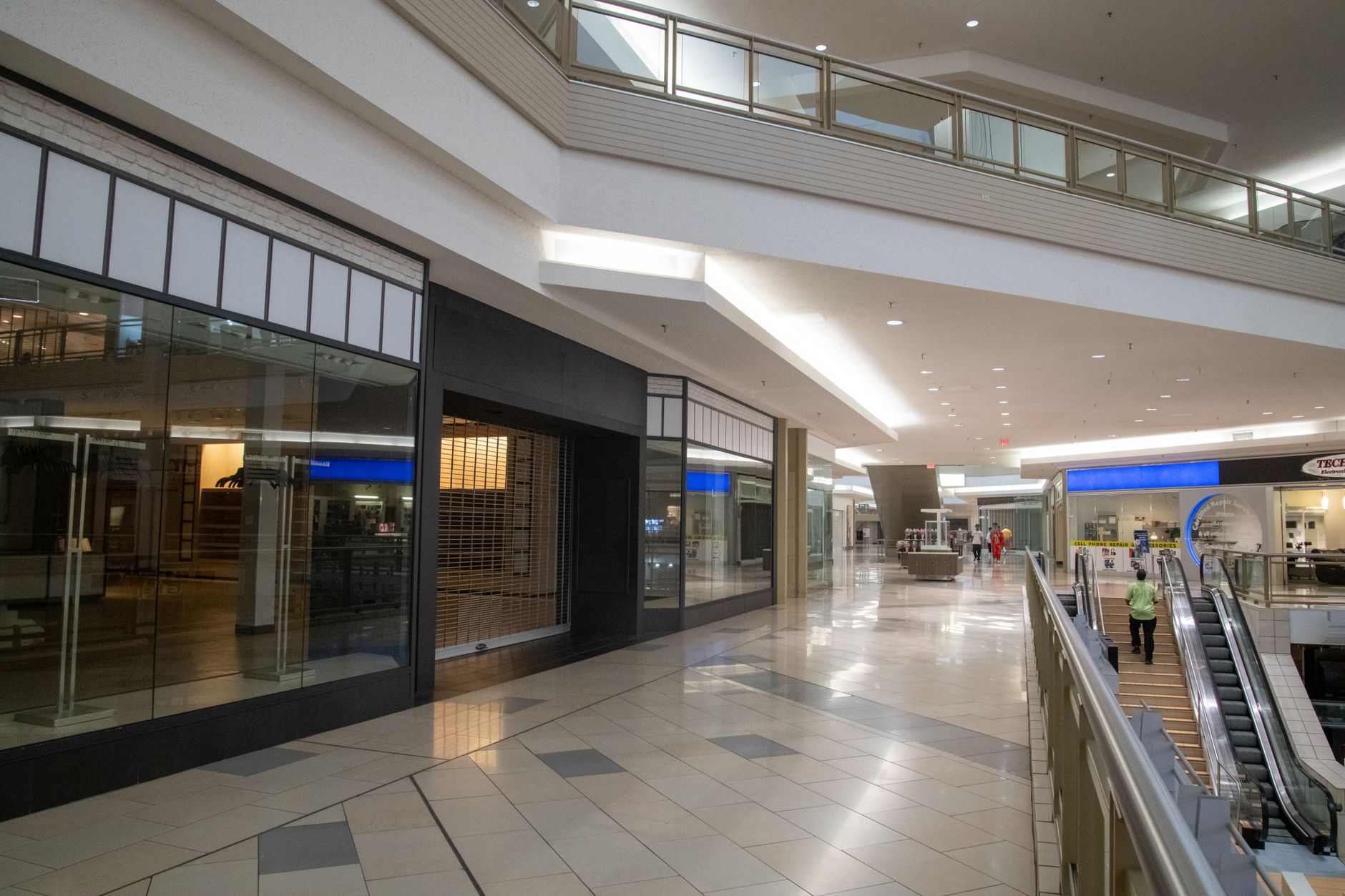
Walk through any mid-tier mall on a Wednesday afternoon and the pattern is hard to ignore – anchor stores with more staff than shoppers, food courts echoing with the sound of a single fountain, and retail workers straightening merchandise that nobody has touched. This is not a regional anomaly or a seasonal dip. Foot traffic across brick-and-mortar retail has been falling for several consecutive quarters, and the latest consumer confidence readings suggest the trend has no immediate floor.
Consumer confidence surveys have shown a notable retreat, driven by persistent anxiety around household costs, job security concerns in white-collar sectors, and the slow erosion of pandemic-era savings that had kept discretionary spending elevated longer than most predicted. When shoppers do leave their homes, they are increasingly purposeful – in and out, no browsing, no impulse buying. That behavioral shift is strangling the retail model that depends on dwell time to generate margin.
The Numbers Behind the Quiet
Foot traffic analytics firms have tracked consecutive year-over-year declines across major retail categories, with apparel and home goods hit particularly hard. Grocery and essential retail have held relatively steady, but even those categories are seeing shoppers consolidate trips rather than making frequent visits. The math is punishing for retailers whose lease costs, staffing models, and inventory strategies were all built on pre-2023 traffic assumptions.
Department stores have taken the sharpest hits. Their format – large footprints, high overhead, wide but shallow product assortments – was already under structural pressure from e-commerce. The current confidence slump has accelerated the departure of casual browsers who once served as the base of their conversion funnel. A shopper who comes in looking for one item and leaves with three is the entire business model. That shopper is simply not showing up anymore.
Strip mall and lifestyle center tenants are reporting similarly uncomfortable conditions. Fast casual restaurants that relied on retail foot traffic for lunch and dinner pull-through are trimming hours. Specialty retailers that had survived the first wave of e-commerce disruption by offering experiential shopping are finding that consumers in a cautious financial mindset do not particularly want experiences – they want certainty. Spend less, stress less. That psychology does not drive mall traffic.
What Consumer Confidence Actually Measures
Consumer confidence is often treated as a sentiment metric – a soft read on how people feel. But its connection to actual retail behavior is direct and well-documented. When confidence drops, households do not just feel worse; they make concrete changes. Credit card paydowns accelerate. Large purchases get deferred. Subscription services get audited and canceled. And physical retail visits – which involve time, transportation costs, and the psychological friction of being surrounded by things you cannot afford to buy – fall sharply.
The current confidence weakness is not solely about inflation, though prices remain a pressure point. It is also about uncertainty. Corporate layoff announcements in finance, technology, and media have rattled a demographic that had previously felt insulated from labor market volatility. When professionals with six-figure salaries start worrying about their jobs, discretionary retail does not just lose their big purchases – it loses their everyday traffic. They stop stopping in.
Retailers Caught Between Two Bad Options
The strategic response from most major retailers has been a familiar playbook: tighten inventory, cut store hours, reduce headcount, and accelerate digital investment. Each of these moves is individually rational. Collectively, they risk making stores worse at the one thing physical retail still does better than e-commerce – creating an environment where unexpected purchases happen. A store that is understaffed, under-inventoried, and closes at 7 PM is not going to win back the browser.
Promotional pricing has become the other default lever. Deep discounts drive traffic in the short term, but they also train consumers to wait for sales and compress margins at the worst possible time. Retailers who spent 2021 and 2022 recovering from the margin damage of promotional excess during the pandemic years are now being pressured back into the same cycle. The exit from that cycle requires traffic growth, which requires confidence growth, which requires broader economic stabilization – none of which retailers can manufacture themselves.
Some brands are experimenting with smaller-format stores in high-density urban neighborhoods, betting that convenience and proximity can compensate for the absence of the mall environment. The logic holds in theory, but real estate costs in those neighborhoods are steep, and the same cautious consumer who won’t drive to a mall is not necessarily going to spend more just because the store is two blocks away. Format changes can shift where the problem shows up; they cannot resolve the underlying demand compression.

There is also a harder structural question that the foot traffic slump is forcing into the open: how many physical retail locations does the country actually need? The U.S. has long been considered dramatically over-retailed compared to peer economies, with significantly more square footage of retail space per capita. The current slump is doing what high rents and competitive pressure could not fully accomplish on their own – forcing a real reckoning with store count. Chains that survived previous downturns by closing their weakest locations are now looking at closures that extend into what were previously considered viable stores. When the middle of the fleet starts to wobble, the math on the whole network changes fast. Grocery chains facing their own traffic pressures have already started monetizing loyalty data as a secondary revenue stream, a sign of how creatively retailers are searching for margin wherever they can find it.
The retailers most likely to weather this period are those with low fixed-cost structures, genuine digital integration, and customer bases that skew toward necessity rather than aspiration. Everyone else is essentially waiting for confidence to return – and watching their lease agreements tick forward in the meantime.