





The global semiconductor shortage that began in 2020 continues to rewrite the rulebook for supply chain investment, forcing companies across industries to rethink decades-old strategies built on just-in-time delivery and single-source suppliers. What started as a pandemic-driven disruption has evolved into a fundamental shift that’s redirecting billions in capital investment toward supply chain resilience over efficiency.
The semiconductor crisis exposed critical vulnerabilities in global manufacturing networks. Automakers shut down production lines for months. Electronics manufacturers scrambled to secure basic chips. Consumer appliance makers faced delays that stretched into 2023. The ripple effects demonstrated how a shortage of components smaller than a fingernail could paralyze entire industries.

Supply Chain Diversification Drives Massive Capital Reallocation
Companies are abandoning the lean inventory models that dominated manufacturing for the past three decades. General Motors announced it would hold up to 40 days of semiconductor inventory, a dramatic departure from the auto industry’s traditional approach of carrying minimal stock. Ford has invested heavily in direct relationships with chip manufacturers, bypassing traditional supplier networks.
This shift extends far beyond the automotive sector. Apple has reportedly increased its component inventory targets and diversified its supplier base across multiple geographic regions. The company’s supply chain team now factors geopolitical risk into sourcing decisions with the same weight as cost considerations.
Technology giants are making unprecedented investments in supply chain infrastructure. Microsoft has committed to building more resilient hardware supply chains for its Xbox and Surface products. Amazon has expanded its fulfillment network partly to reduce dependence on specific regional suppliers, as detailed in their warehouse automation initiatives.
The financial services sector is also adapting. Banks are restructuring supply chain financing programs to incentivize geographic diversification. Trade finance products now include specific provisions for multi-sourcing strategies, reflecting the new reality that supply chain resilience carries premium value.
Reshoring and Near-Shoring Accelerate Industrial Investment
The semiconductor shortage has accelerated the reshoring trend that began during the US-China trade tensions. Intel’s announcement of new fabrication facilities in Ohio represents a $20 billion commitment to domestic chip production. TSMC is constructing advanced manufacturing facilities in Arizona, marking the first time the Taiwanese giant has brought cutting-edge production to American soil.
European companies are following similar strategies. Infineon Technologies has expanded capacity in Germany and Austria. STMicroelectronics is investing in new European production lines. These moves represent more than geographic diversification-they signal a fundamental recalibration of how companies value supply chain proximity versus cost optimization.
Near-shoring is gaining momentum as companies seek to balance cost control with supply chain security. Mexican manufacturing has benefited significantly from this trend, with automotive and electronics companies establishing production facilities closer to North American markets. Vietnam and Thailand have seen similar investment flows as companies diversify away from concentrated Chinese production.
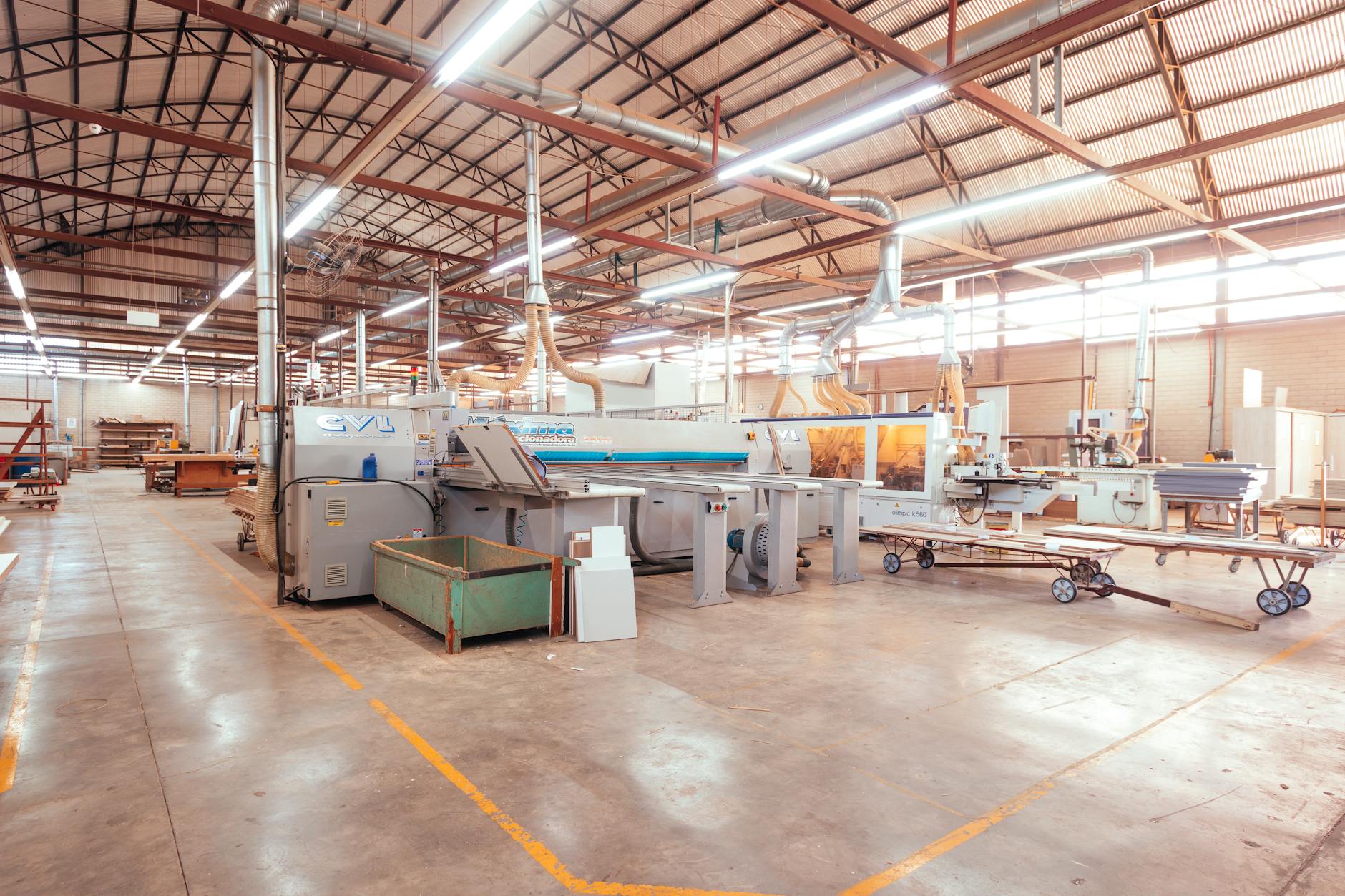
The semiconductor industry’s capital-intensive nature means these geographic shifts require enormous upfront investments. Building a modern chip fabrication facility costs tens of billions of dollars and takes several years to complete. These investment decisions reflect long-term strategic commitments that will reshape global manufacturing patterns for decades.
Technology Integration Transforms Supply Chain Visibility
The semiconductor shortage highlighted how little visibility many companies had into their extended supply chains. Third and fourth-tier suppliers remained largely invisible until disruptions cascaded through the system. This blind spot has triggered massive investments in supply chain transparency technologies.
Blockchain-based tracking systems are moving from pilot programs to full deployment. Walmart has expanded its blockchain initiatives beyond food safety to include general merchandise tracking. The technology provides immutable records of component origins and movement through complex supply networks.
Artificial intelligence and machine learning platforms are becoming standard tools for supply chain risk management. These systems analyze vast amounts of data to identify potential disruptions before they impact production. Companies are investing heavily in predictive analytics capabilities that can model scenarios ranging from natural disasters to geopolitical tensions.
Digital twins of entire supply networks are emerging as critical planning tools. These virtual replicas allow companies to test different scenarios and optimize their supplier networks for various risk factors. The technology helps balance competing priorities of cost, speed, and resilience.
Cloud-based supply chain platforms are enabling smaller companies to access sophisticated risk management tools previously available only to large corporations. This democratization of supply chain intelligence is creating more resilient networks across entire industries.
Government Policy Reshapes Investment Incentives
Government intervention has become a major factor in supply chain investment decisions. The CHIPS and Science Act in the United States provides substantial subsidies for domestic semiconductor manufacturing. Similar programs in Europe and Asia are creating competitive dynamics that influence where companies locate new facilities.
Export controls on advanced semiconductor technology are forcing companies to separate their supply chains based on end-market destinations. This regulatory fragmentation requires duplicate investments in manufacturing and compliance systems, fundamentally altering the economics of global production.
Trade policies increasingly factor supply chain security into international agreements. The USMCA includes provisions designed to encourage North American supply chain integration. Indo-Pacific Economic Framework discussions center heavily on supply chain resilience cooperation.

The intersection of national security and economic policy is creating new categories of “critical” industries that receive special treatment in trade and investment policies. Semiconductors, rare earth elements, and advanced battery technologies are among the sectors seeing government intervention in previously market-driven supply chain decisions.
Long-Term Implications for Global Commerce
The semiconductor shortage has fundamentally altered how businesses think about supply chain risk and investment. The era of optimizing purely for cost and efficiency is ending, replaced by a more complex calculus that weighs resilience, speed, and geopolitical stability alongside traditional financial metrics.
These changes are permanent. Companies that invested in supply chain diversification and visibility during the shortage are not reversing course as chip availability improves. Instead, they’re doubling down on strategies that proved their worth during the crisis.
The global economy is fragmenting into regional supply chain clusters, each with redundant capabilities that prioritize security over efficiency. This trend will continue reshaping investment flows, trade patterns, and industrial development for years to come. The semiconductor shortage may eventually end, but the supply chain revolution it triggered is just beginning to transform global commerce.
Frequently Asked Questions
How has the semiconductor shortage changed supply chain strategies?
Companies are moving from lean just-in-time models to holding larger inventories and diversifying suppliers across multiple geographic regions for resilience.
What industries are most affected by supply chain investment changes?
Automotive, electronics, and technology sectors are leading major investments in supply chain diversification and domestic manufacturing capabilities.