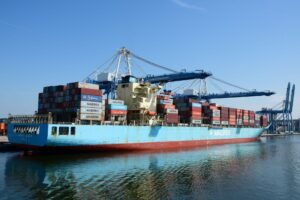





A container ship has a fixed number of slots, so when its trip gets longer, the world effectively has fewer ships. That arithmetic explains the latest jump in freight rates. Since attacks on commercial vessels pushed many carriers away from the Suez Canal, a large share of Asia-to-Europe services have been sailing around the southern tip of Africa instead. Depending on the route and the ports involved, the detour adds roughly one to two weeks to a typical voyage. The number of vessels did not change overnight, but the number available to carry cargo did, and prices responded as they do whenever a scarce resource gets scarcer.
Shippers are paying for time, not just distance.
The repricing shows up first in the spot market, where the cost of booking a box on a specific sailing can change within days. Contract customers are cushioned for a while, but the cushion thins as renewals approach and carriers add surcharges. For investors, the squeeze touches several kinds of companies at once: ocean carriers, freight forwarders, port operators and vessel lessors. Each of them sits on a different side of the same disruption.
Why a Longer Route Shrinks the Fleet
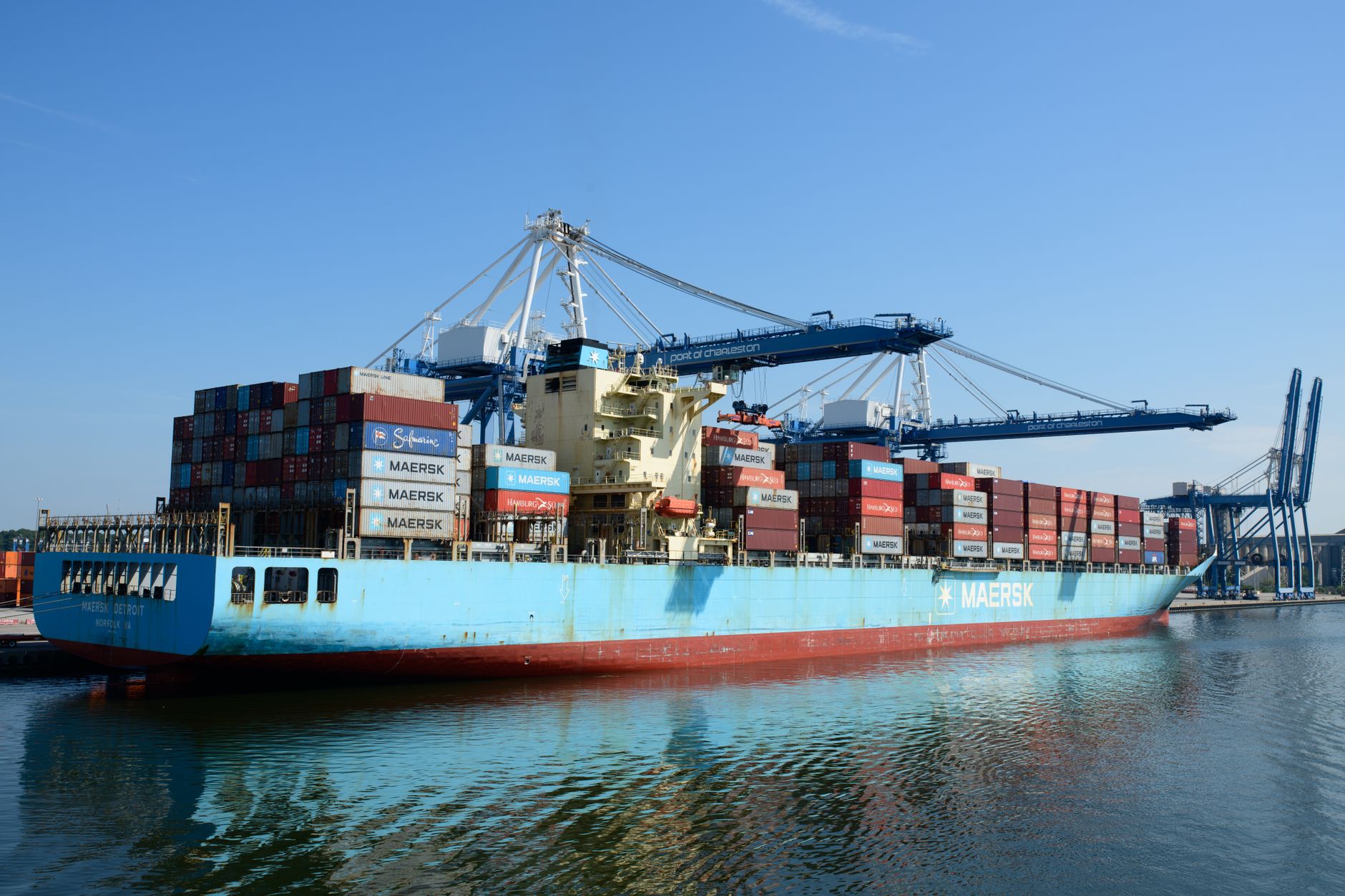
Container lines sell weekly service. To offer one sailing per week on a given loop, a carrier needs as many ships as the loop has weeks of travel, so lengthening the loop means deploying more vessels to keep the same frequency. A line has three choices: pull ships from other trades, sail faster, or cut port calls and accept thinner service. Sailing faster is expensive, because fuel consumption climbs much faster than speed does. Pulling ships from other trades just moves the shortage somewhere else. The result is that capacity tightens on routes that never went near the Red Sea.
Then there is the equipment problem. Containers that spend extra days at sea are not back in Asian export hubs when factories need them, and a box in the wrong place is as useless as a box that does not exist. Schedules also bunch up. Ships that left on time but took the long way arrive in clusters, and ports in Northern Europe and the Mediterranean struggle to find berth windows and yard space for all of them at once. Vessels waiting at anchor are one more way capacity quietly disappears from the market.
Costs rise on top of the capacity squeeze. The longer route burns more fuel, requires more crew time, and keeps cargo in transit longer. Ships that still transit the Red Sea face higher war-risk insurance premiums. Some of the rate increase is real cost recovery and some is opportunism, and the split matters, because opportunistic pricing tends to fade faster than the cost-driven part.
Who Gains, Who Pays
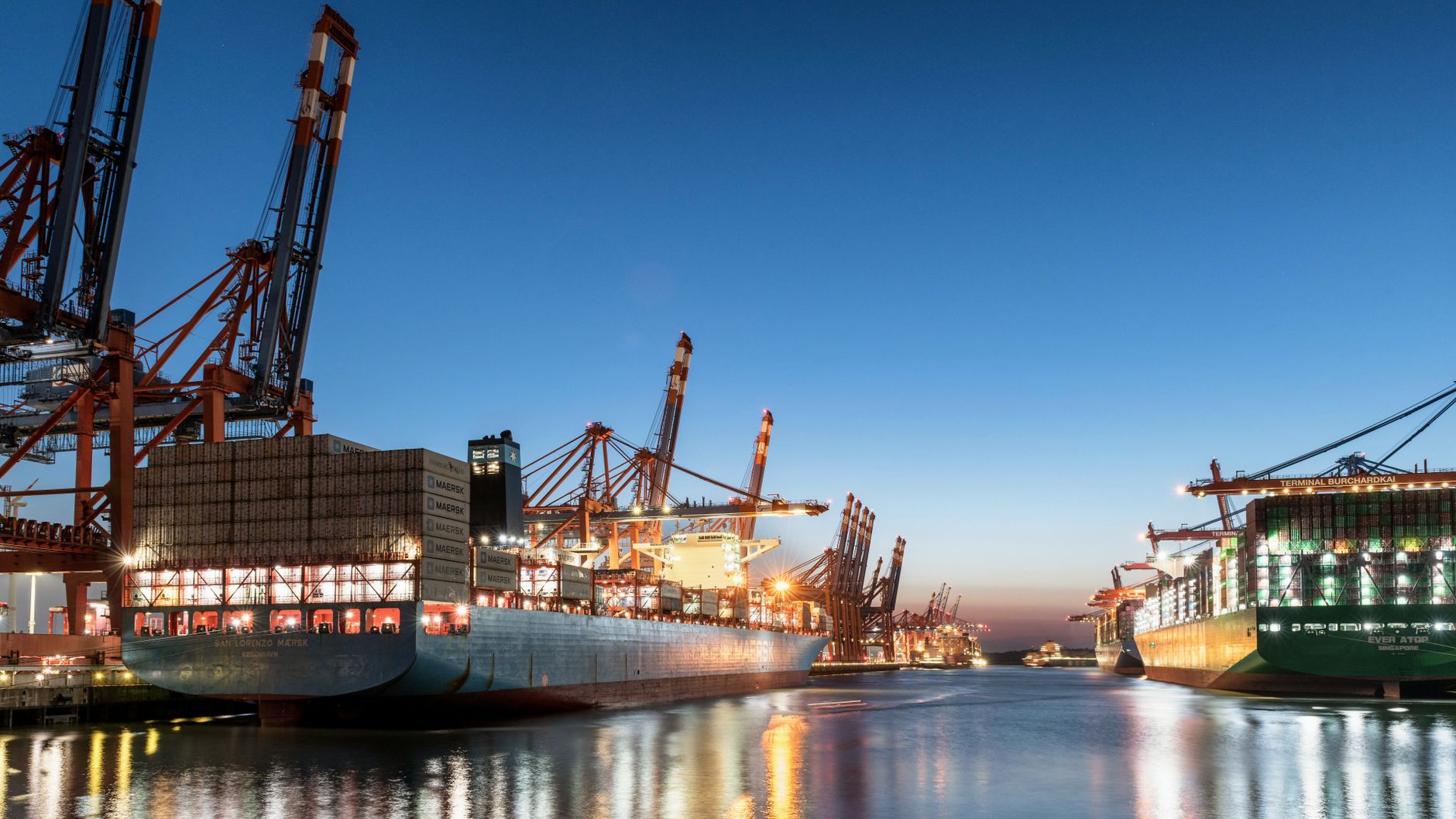
Carriers are the obvious beneficiaries, and the timing is notable. The industry had been bracing for a glut, with a large orderbook of new vessels scheduled to arrive just as demand growth looked ordinary. Rerouting soaked up much of that incoming supply by tying ships up on longer voyages. A shock that would normally hurt a transport business instead gave this one a reprieve, because it turned excess capacity into a shortage. Earnings that looked headed for a slide now have spot-rate leverage behind them, and shareholders are paying attention.
The bill lands on importers. Imagine a mid-sized furniture importer with thin margins and annual contracts. Its goods are bulky and low in value relative to their size, so freight is a meaningful share of landed cost. Longer transit also forces it to order earlier and hold more inventory, which ties up working capital. Manufacturers running lean, just-in-time operations care even more about reliability than price, since a late shipment of components can idle a production line. For these buyers, the premium for certainty keeps climbing.
Freight is a small input into most consumer prices, but it passes through to goods with a lag, and that is why central bankers pay attention to it. The more important asymmetry is how the story ends. When the canal is safe again, ships will not return gradually. They will be freed together, joined by a stream of newly built vessels, and the capacity that vanished will reappear almost at once. Anyone valuing carriers on today’s rates is making a bet about the timing of that reversal.
The Return Trip
Every ship now sailing around Africa will, on the day the canal is judged safe, gain a week or more of spare time it does not have today, and so will every other ship at the same moment. Freight markets rarely fall gently when that happens.
Frequently Asked Questions
Why are container shipping rates rising?
Red Sea detours around Africa lengthen voyages, so each ship completes fewer trips and effective capacity shrinks. Higher fuel, insurance and port congestion costs add to the pressure.
How much time does the Cape of Good Hope route add?
Depending on the service and ports involved, the detour typically adds roughly one to two weeks to an Asia-to-Europe voyage.
Who benefits when shipping rates jump?
Ocean carriers benefit most, since longer routes absorb surplus capacity and lift spot rates. Importers and manufacturers with thin margins or tight inventories bear the cost.