





The Quiet Cut That Hits Hardest at the Checkout Line
For millions of American households, the Supplemental Nutrition Assistance Program is not a safety net of last resort – it is the grocery budget. When SNAP allotments shrink, families do not simply tighten their belts. They make choices between protein and produce, between fresh food and shelf-stable fillers, between eating enough and eating adequately. The cuts playing out right now are forcing exactly those decisions, and the math is brutal.
The emergency pandemic-era SNAP allotments that had temporarily expanded benefits for nearly every participant expired in early 2023, dropping monthly payments back to standard levels. For some households, that meant losing more than $90 per person per month. Combined with grocery inflation that remained stubbornly elevated well after general inflation eased, recipients found themselves with less money to spend inside stores where prices had climbed significantly from pre-2020 levels.
The timing could not have been worse.
How SNAP Calculations Work – and Where They Fall Short
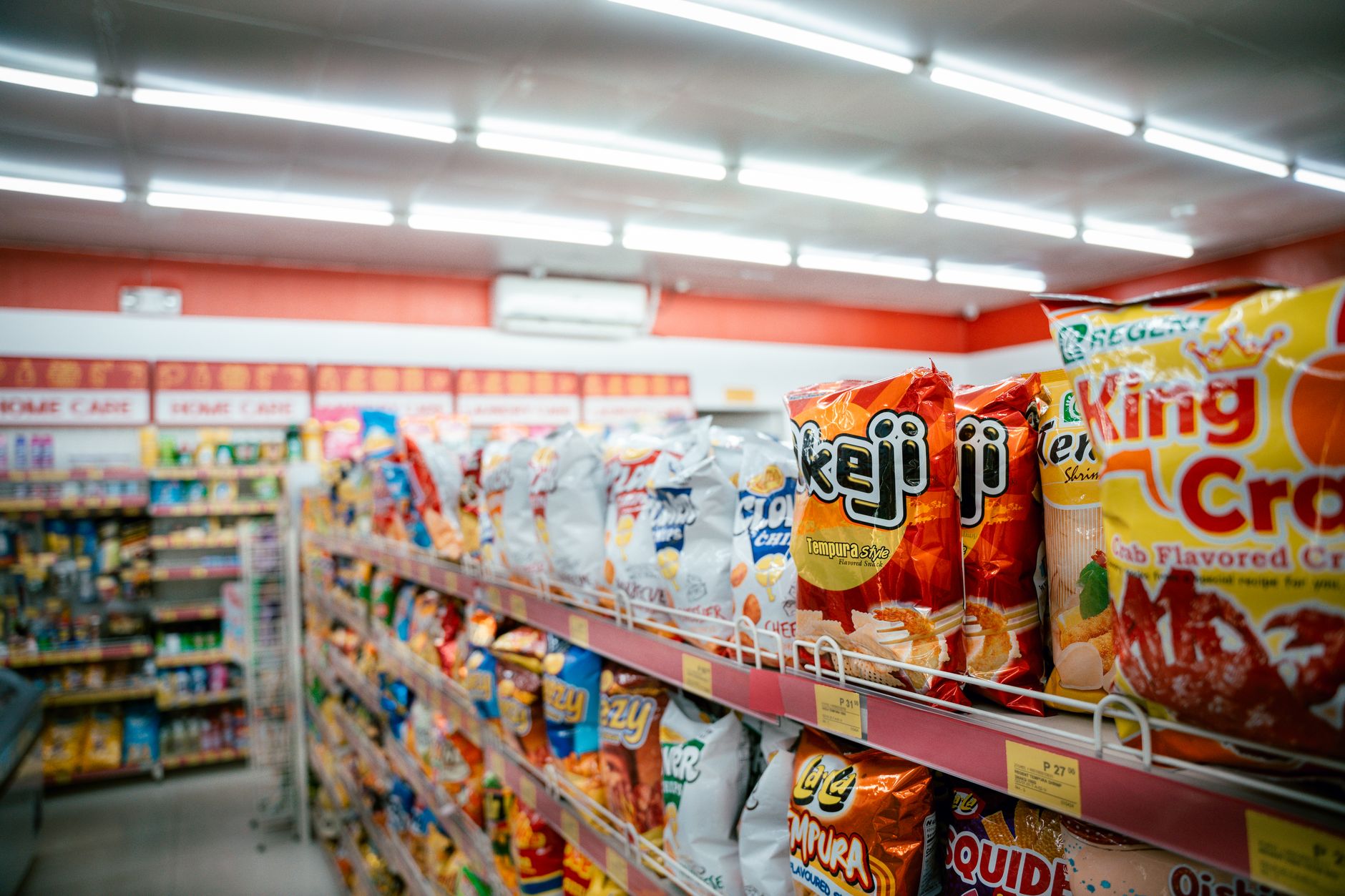
SNAP benefit amounts are tied to the Thrifty Food Plan, a federal benchmark that estimates the minimum cost of a nutritionally adequate diet. The USDA updates this figure periodically, and a 2021 revision did raise the baseline meaningfully for the first time in decades. But the Thrifty Food Plan operates as a ceiling, not a living document. It does not adjust monthly for real-world grocery price volatility, regional cost differences, or the actual shopping conditions that low-income households face – which often means smaller stores with fewer discounts and less access to bulk buying.
What the formula also does not account for is the compounding effect of income volatility. Many SNAP recipients work part-time or in gig arrangements where earnings fluctuate month to month. SNAP benefit amounts are recalculated based on reported income, meaning a slightly better earnings month can reduce benefits even when the household’s overall financial position has not actually improved. Recipients can find themselves in a cycle where modest work income triggers a benefit reduction that leaves them worse off overall than if they had earned slightly less.
There is also a structural gap between what the program covers and what a full household food budget actually requires. SNAP was never designed to cover 100 percent of food costs – federal policy assumes recipients will contribute a portion of their own income to groceries. That assumption strains quickly when a household is already spending a significant share of income on rent, utilities, or medical costs, leaving little left to supplement benefits.
Grocery Inflation Makes Every Dollar Count Less
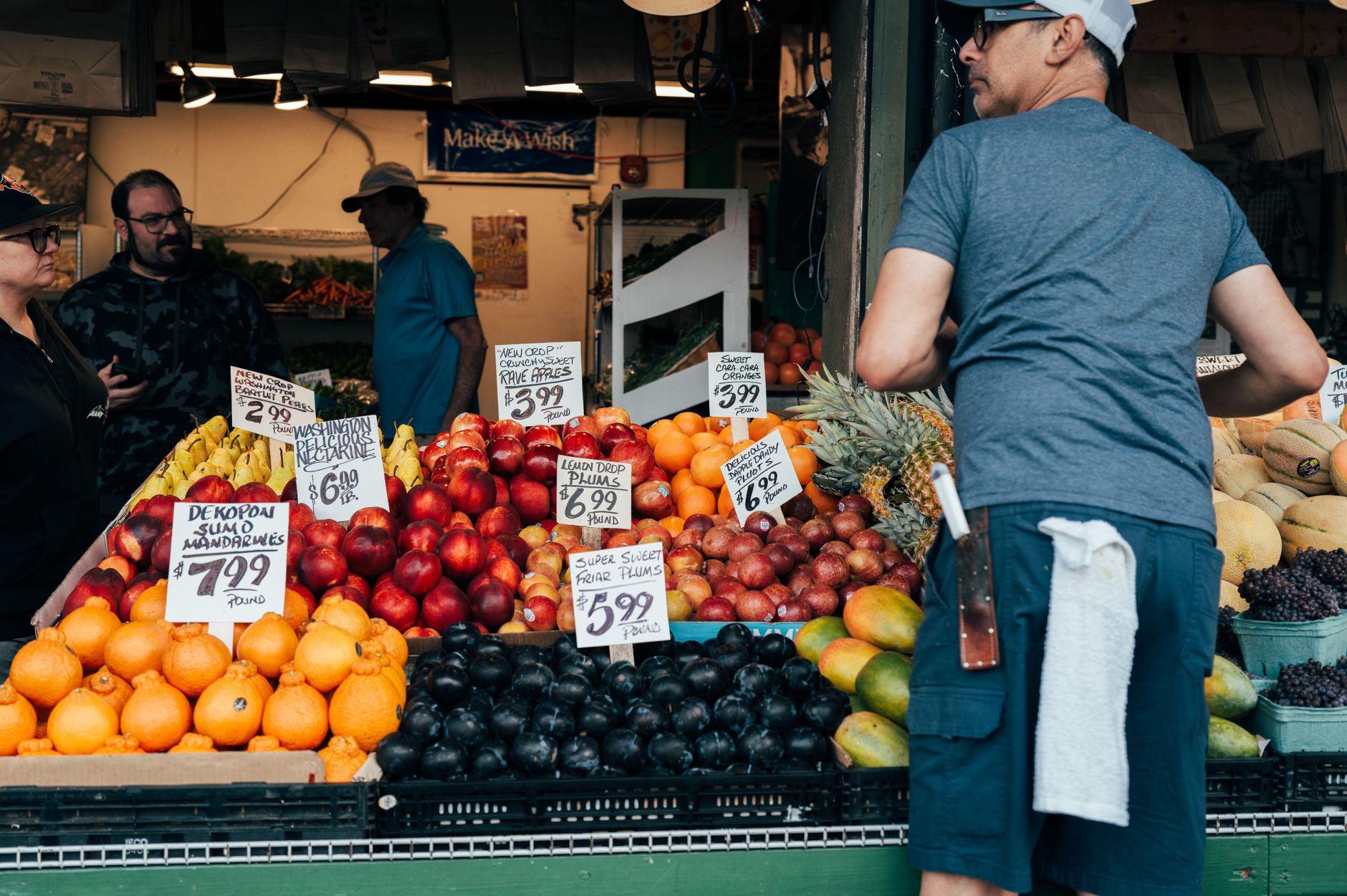
The grocery price surge that began in 2021 did not recede uniformly. While some categories like cooking oils and packaged goods stabilized, proteins – beef, poultry, eggs – remained persistently expensive through 2024. Eggs, a staple for budget-conscious households and a major SNAP purchase, saw price spikes tied to ongoing supply disruptions that put them far above historical averages. For a family relying on eggs as a primary protein source, even a modest per-dozen increase across a month adds up to a noticeable budget shortfall.
Fresh produce presents a separate problem. Fruits and vegetables are among the most nutritionally valuable items SNAP is designed to help people afford, yet they are also among the most price-volatile. Seasonal price swings, transportation costs, and supply chain pressures mean that a SNAP recipient planning a week’s worth of meals can find the items they budgeted for have jumped in price mid-month with no ability to adjust their benefit amount in response. Frozen alternatives help partially, but they are not always cheaper per serving and do not cover every nutritional category. The ongoing pressure from trade policy disputes affecting food imports adds another layer of unpredictability to the prices SNAP recipients encounter at the register.
Discount retailers and warehouse stores can help stretch benefits further, but they require transportation access, the ability to buy in bulk quantities (which requires upfront cash and storage space), and physical proximity that urban food deserts and rural areas often cannot provide. The theoretical savings available to a household with a car, a chest freezer, and a Costco membership are largely inaccessible to the households most dependent on SNAP.

What Happens Next at the Policy Level
Congressional negotiations over SNAP funding have become increasingly contentious, with proposals ranging from work requirement expansions to state block-grant structures that would cap federal spending regardless of economic conditions or enrollment growth during recessions. Either approach would likely reduce the number of people covered or the amount available per recipient – and neither addresses the fundamental gap between what current benefit levels purchase and what a realistic grocery budget actually costs in 2025. For the roughly 42 million Americans currently enrolled, the question is not abstract: a few dollars less per day at the grocery store is the difference between a complete meal and a partial one, and that calculation plays out at checkout counters across the country every single week.