





Order Books Go Quiet
Across the industrial Midwest and export-heavy pockets of the Southeast, small manufacturers are cutting staff at a pace not seen since the supply chain chaos of 2020. The cause this time is slower and less dramatic – foreign buyers are pulling back, order books are thinning, and factories built around steady export demand are running out of runway.
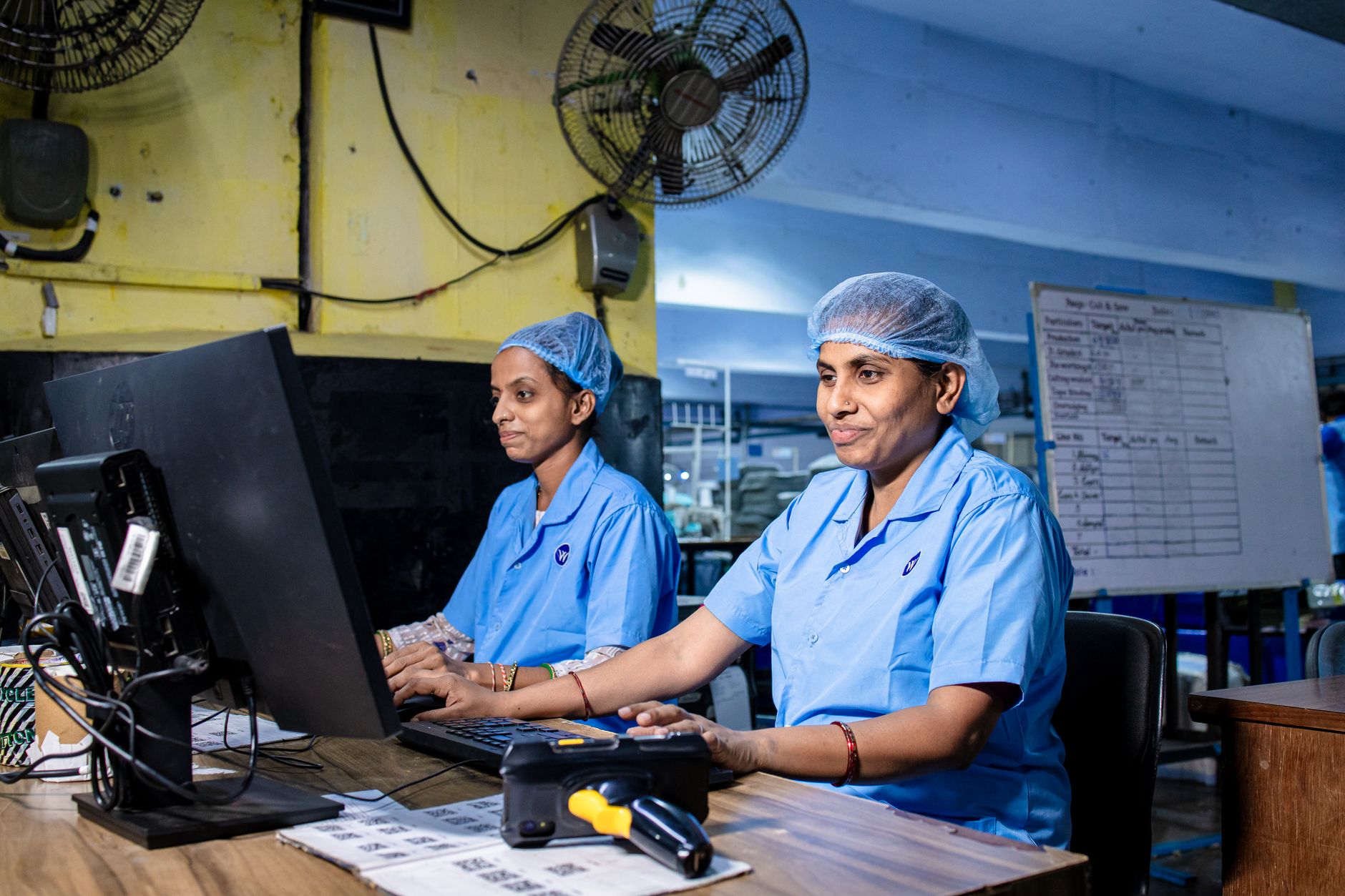
When Export Demand Dries Up, Payroll Is First to Go
Small manufacturers operate on margins that leave almost no cushion. Unlike large industrial conglomerates that can absorb a slow quarter through financing or diversified revenue streams, a 40-person metal fabrication shop or a 60-person specialty plastics producer lives and dies by its forward order volume. When that volume drops – even by 20 or 25 percent – the math on keeping a full workforce stops working almost immediately.
The current pullback in export orders is tied to a combination of factors that have been building for months. Currency movements have made U.S.-manufactured goods more expensive for buyers in key markets across Europe, Latin America, and Southeast Asia. At the same time, rising tariff uncertainty has led some foreign purchasers to either delay orders or redirect sourcing to domestic suppliers in their own countries. The result is a demand gap that smaller exporters are now absorbing directly in their payroll decisions.
Layoffs in this segment rarely generate headlines. A plant cutting 18 workers in rural Ohio or a tool manufacturer reducing its shift staff by 12 in western Georgia doesn’t register as national news. But these decisions are happening at enough facilities simultaneously that the cumulative effect is showing up in regional employment data and in the quieter corners of unemployment filing systems. States with heavy concentrations of small export manufacturers are reporting upticks in manufacturing-sector claims that don’t match the headline numbers from larger employers.
The profile of workers being cut matters too. Small manufacturers tend to employ skilled tradespeople – machinists, welders, CNC operators, quality inspectors – whose skills are specific enough that re-employment isn’t automatic. These aren’t workers who can easily pivot to a service-sector job while waiting for conditions to stabilize. When a machinist with 15 years of experience gets laid off because a German buyer canceled a six-month order, that worker faces a genuinely difficult labor market re-entry if local manufacturing demand isn’t there to absorb them.

The Export Order Collapse Is Not Uniform – But It Is Spreading
The pain is concentrated but moving. Sectors that depend heavily on industrial export demand – precision components, agricultural equipment parts, specialty packaging, and mid-tier electronics assemblies – are feeling it most acutely. Consumer-facing goods exports, by contrast, have held up somewhat better, in part because brand-driven demand from foreign consumers is stickier than procurement-driven buying from foreign manufacturers or distributors.
For small producers of industrial inputs, the situation is more fragile. Foreign manufacturers who buy American-made components are under their own cost pressures, and when they need to cut, switching to cheaper regional suppliers is often the first adjustment they make. That dynamic is already visible in reduced re-order rates and in the lengthening of purchasing cycles – buyers who used to confirm quarterly orders are now asking for 30-day windows or pausing commitments entirely.
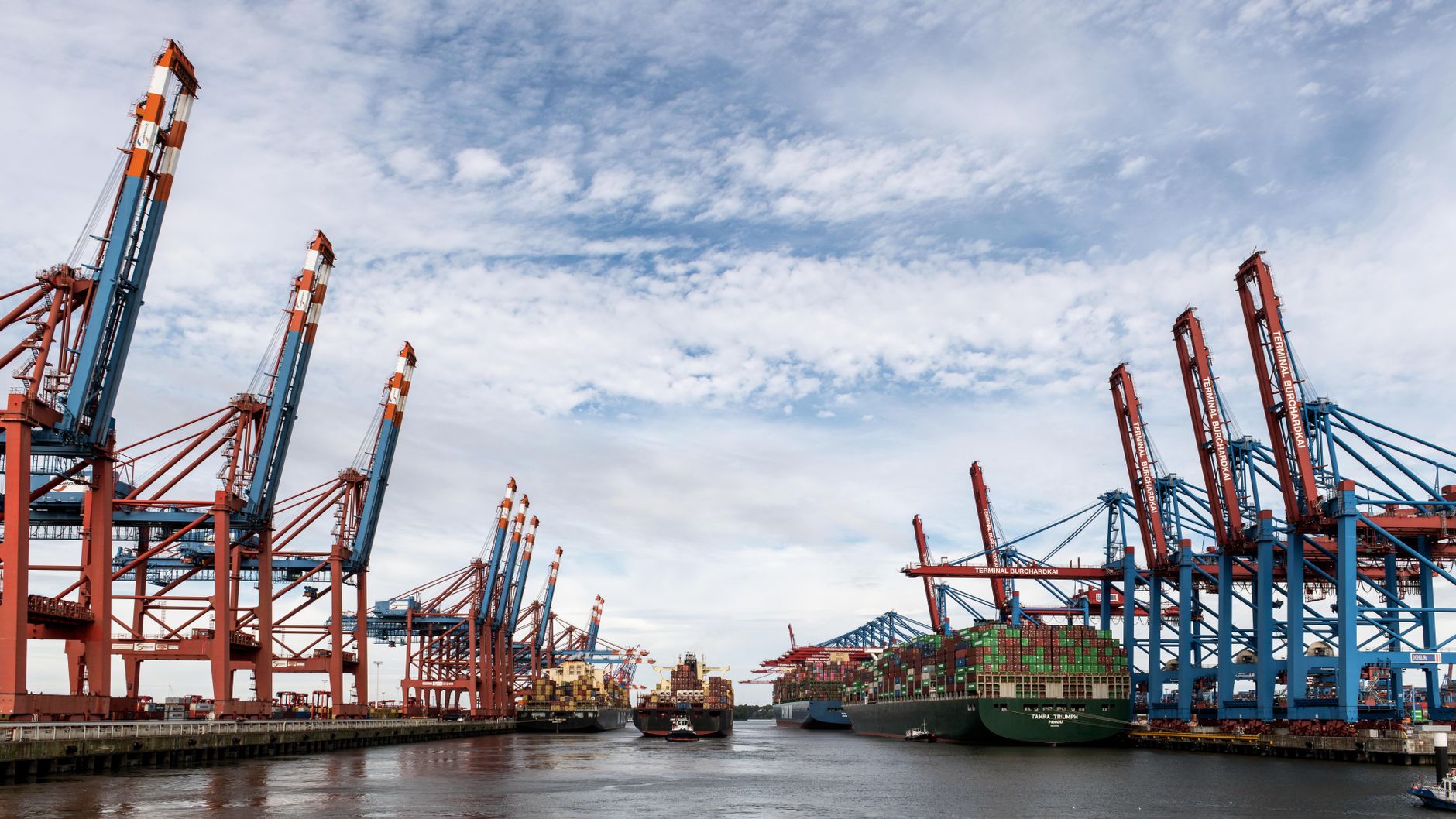
Freight and logistics signals are reinforcing the picture. Bookings for outbound container space from smaller manufacturers have softened noticeably at several regional ports, with some terminal operators noting that the drop is concentrated in mid-size industrial shipments rather than bulk commodity loads. The instability now running through global trade routes is adding to the cost of shipping for small exporters who don’t have the volume to negotiate favorable rates, making their goods even less competitive at the destination market.
Access to credit is adding another layer of pressure. Small manufacturers facing reduced order volume are also finding that their borrowing capacity shrinks in lockstep – lines of credit tied to receivables contract when export invoices slow down. A factory that was borrowing against $800,000 in outstanding receivables six months ago may now only have $500,000 on the books, which directly limits its ability to bridge through a soft quarter without cutting costs. Payroll, being the largest variable cost for most of these operations, becomes the obvious target.
What makes this cycle particularly difficult to reverse quickly is that export relationships take time to rebuild. A foreign buyer who switched suppliers during a six-month disruption doesn’t automatically come back when conditions stabilize. Small manufacturers who lose a key overseas account often spend a year or more re-prospecting, attending trade shows, and rebuilding trust before a new steady order flow materializes. In the meantime, the workers they laid off have either found other employment or left the region entirely.
No Floor in Sight
There is no reliable indicator that the export order slowdown is close to bottoming out. Forward purchasing signals from major overseas industrial markets remain subdued, and the currency and tariff dynamics that have been suppressing U.S. export competitiveness are not resolving on any clear timeline. Small manufacturers that have already made one round of cuts are now calculating whether a second round is coming before orders recover.
The harder question is whether some of these facilities ever fully restaff. Small manufacturers that lose ground during a prolonged export slump sometimes make permanent efficiency adjustments – investing in automation to reduce headcount dependence rather than rebuilding a workforce that may face the same volatility again. That calculus is rational from a business survival standpoint, but it means the layoffs happening now may not be reversed even when order books eventually fill again.
Frequently Asked Questions
Why are small manufacturers cutting jobs right now?
Export order volumes have dropped as currency shifts and tariff uncertainty push foreign buyers to delay purchases or switch to local suppliers, leaving small factories without enough revenue to sustain full payrolls.
Which types of workers are most affected by these manufacturing layoffs?
Skilled tradespeople like machinists, welders, and CNC operators face the steepest challenges because their specialized skills don’t transfer easily to other sectors during a manufacturing slowdown.