





The Rust Belt Renaissance
A century after America’s industrial heartland earned its nickname, the Rust Belt is shedding its tarnished reputation. Small towns across Ohio, Michigan, Pennsylvania, and Wisconsin are experiencing an unexpected manufacturing revival, driven by reshoring trends and supply chain diversification efforts that began during the pandemic.
Companies are discovering what local officials have long argued: small-town America offers competitive advantages that coastal manufacturing hubs simply cannot match. Lower real estate costs, available workforce, and streamlined permitting processes are drawing manufacturers back to communities that once watched their factories close.
The transformation is most visible in places like Lima, Ohio, where a former General Motors plant site now houses multiple smaller manufacturers. Similar stories are unfolding across the region, creating employment hotspots in communities that haven’t seen this level of industrial activity in decades.
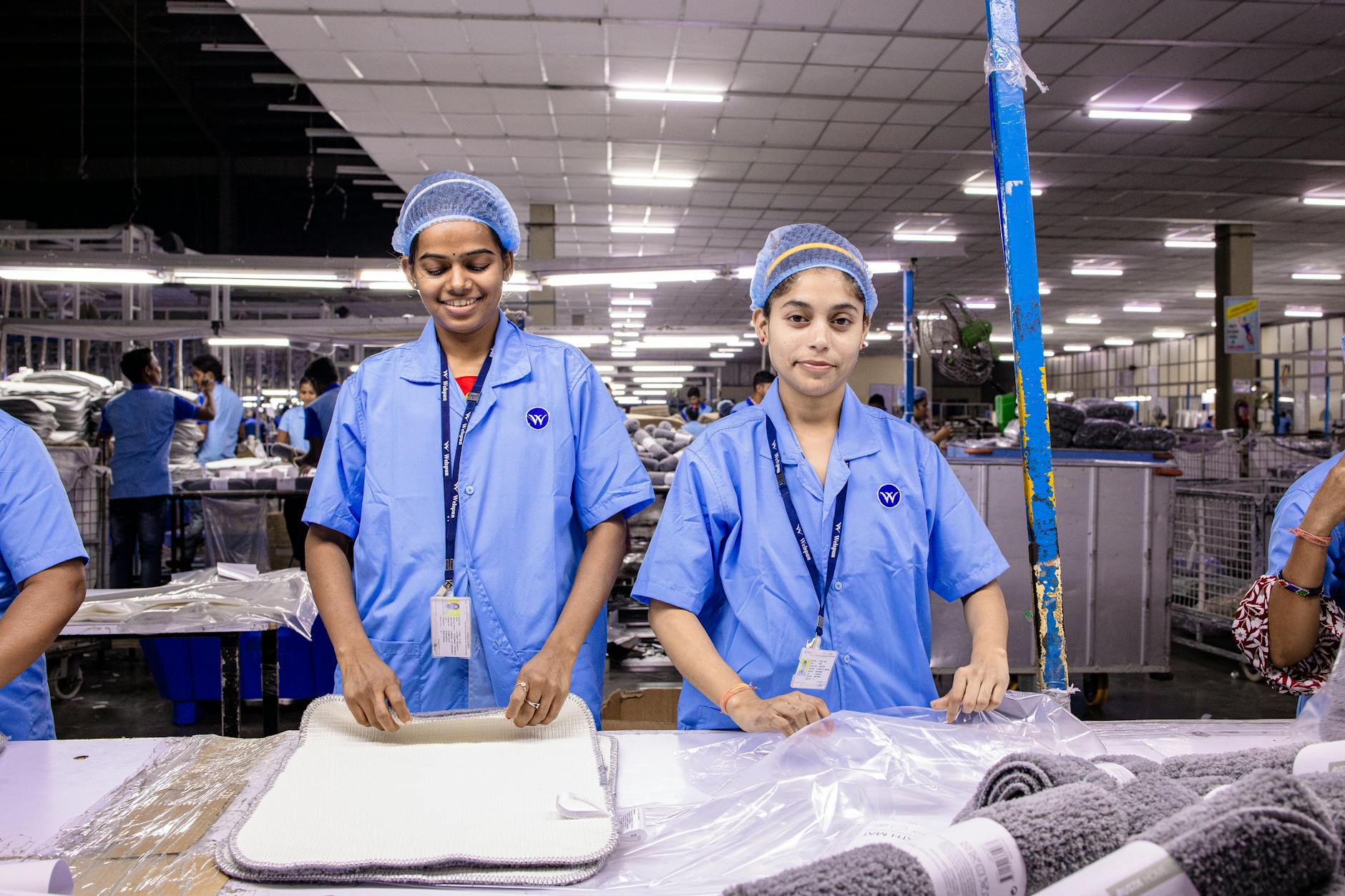
Why Companies Are Choosing Small Towns
The economics driving this shift are compelling. Manufacturing facilities in small towns operate with significantly lower overhead costs compared to major metropolitan areas. Land prices remain affordable, utilities cooperate on incentive packages, and local governments actively court new business with tax abatements and expedited approvals.
Labor availability represents another crucial factor. While major cities grapple with tight job markets and high turnover rates, small towns offer access to skilled workers who often stayed in their communities despite plant closures. Many of these workers maintained their technical skills through community college programs or smaller local employers.
Transportation infrastructure, long considered a small-town disadvantage, has proven less critical in the modern economy. Interstate highway access connects most communities to major distribution networks, while supply chain automation investments have reduced the importance of proximity to major ports or rail hubs.
The reshoring trend accelerated by pandemic disruptions has made supply chain resilience a priority over pure cost optimization. Companies are willing to pay slightly higher labor costs for the security of domestic production and shorter, more reliable supply chains.
Success Stories Across the Heartland
In Youngstown, Ohio, a former steel town, Ideastream Public Square reports that advanced manufacturing companies are filling renovated industrial spaces. 3D printing operations, precision machining shops, and electronics assembly facilities have created over 2,000 new jobs in the past three years.
Michigan’s Upper Peninsula, long dependent on mining and forestry, has attracted battery component manufacturers serving the automotive industry. These facilities leverage the region’s mining expertise while providing stable, well-paying employment for communities that watched traditional industries decline.
Wisconsin cheese country is adding a different flavor to its economy. Food processing equipment manufacturers have clustered around the state’s agricultural expertise, creating specialized production facilities that serve the growing organic and specialty food markets.

Pennsylvania’s smaller cities are benefiting from pharmaceutical reshoring efforts. Companies seeking to reduce dependence on overseas production have established facilities in communities like Altoona and Johnstown, where former railroad industry workers bring relevant technical skills to precision manufacturing roles.
The success extends beyond direct employment. These manufacturing operations support local service businesses, boost property values, and generate tax revenue that funds infrastructure improvements and school system upgrades.
Investment Patterns and Economic Impact
Private equity and industrial real estate investors have taken notice of the small-town manufacturing revival. Industrial real estate investment in the Midwest has surged as investors recognize the potential returns from renovating shuttered facilities or developing new manufacturing sites.
State economic development agencies are coordinating these efforts through targeted incentive programs. Ohio’s JobsOhio, Michigan’s MEDC, and similar organizations have shifted focus from chasing major automotive plants to supporting clusters of smaller manufacturers that provide more diverse economic foundations.
Community colleges have adapted their programs to support this growth. Two-year degrees in advanced manufacturing, industrial maintenance, and quality control are experiencing enrollment increases after years of decline. Many programs include partnerships with local manufacturers that guarantee job placement for graduates.
The financial impact extends beyond job creation. Property tax revenues in these communities are rising for the first time in decades, enabling investments in infrastructure and public services that make the towns more attractive to both businesses and workers.

Banking institutions are adapting their lending practices to support this trend. Community banks that understand local markets are partnering with larger institutions to provide the capital needed for facility expansions and equipment purchases.
Looking Forward
The small-town manufacturing revival faces challenges including workforce development and infrastructure modernization. However, the fundamental economics supporting this trend remain strong as companies prioritize supply chain resilience over pure cost minimization.
Trade policy uncertainty and global supply chain disruptions have made domestic production more attractive to American manufacturers. Small towns offer the space, workforce, and cost structure needed to support this transition while providing the stability that companies seek.
As this trend continues, expect to see more investment flowing into manufacturing infrastructure in small communities across the industrial heartland. The rust is being replaced by renewal, creating new economic opportunities in places that many had written off as relics of America’s industrial past.
Frequently Asked Questions
Why are manufacturers choosing small towns over major cities?
Lower costs, available workforce, streamlined permitting, and supply chain resilience make small towns attractive alternatives to expensive metropolitan areas.
Which regions are seeing the most manufacturing growth?
The Rust Belt states including Ohio, Michigan, Pennsylvania, and Wisconsin are leading the small-town manufacturing revival with diverse industrial clusters.