





Manhattan rents hit $5,588 per month in 2024, while a comparable home in Boise costs $1,200. The math is simple – remote workers are doing it, packing up their laptops and trading subway commutes for main street coffee shops. Small towns across America are experiencing their biggest population surge in decades as high earners flee expensive metropolitan areas for affordable living and quality of life.
The shift represents more than personal finance decisions. These remote workers bring urban salaries to rural economies, creating ripple effects that transform local businesses, housing markets, and community dynamics. Towns that struggled with declining populations for years now face the opposite challenge – managing rapid growth while preserving what made them attractive in the first place.
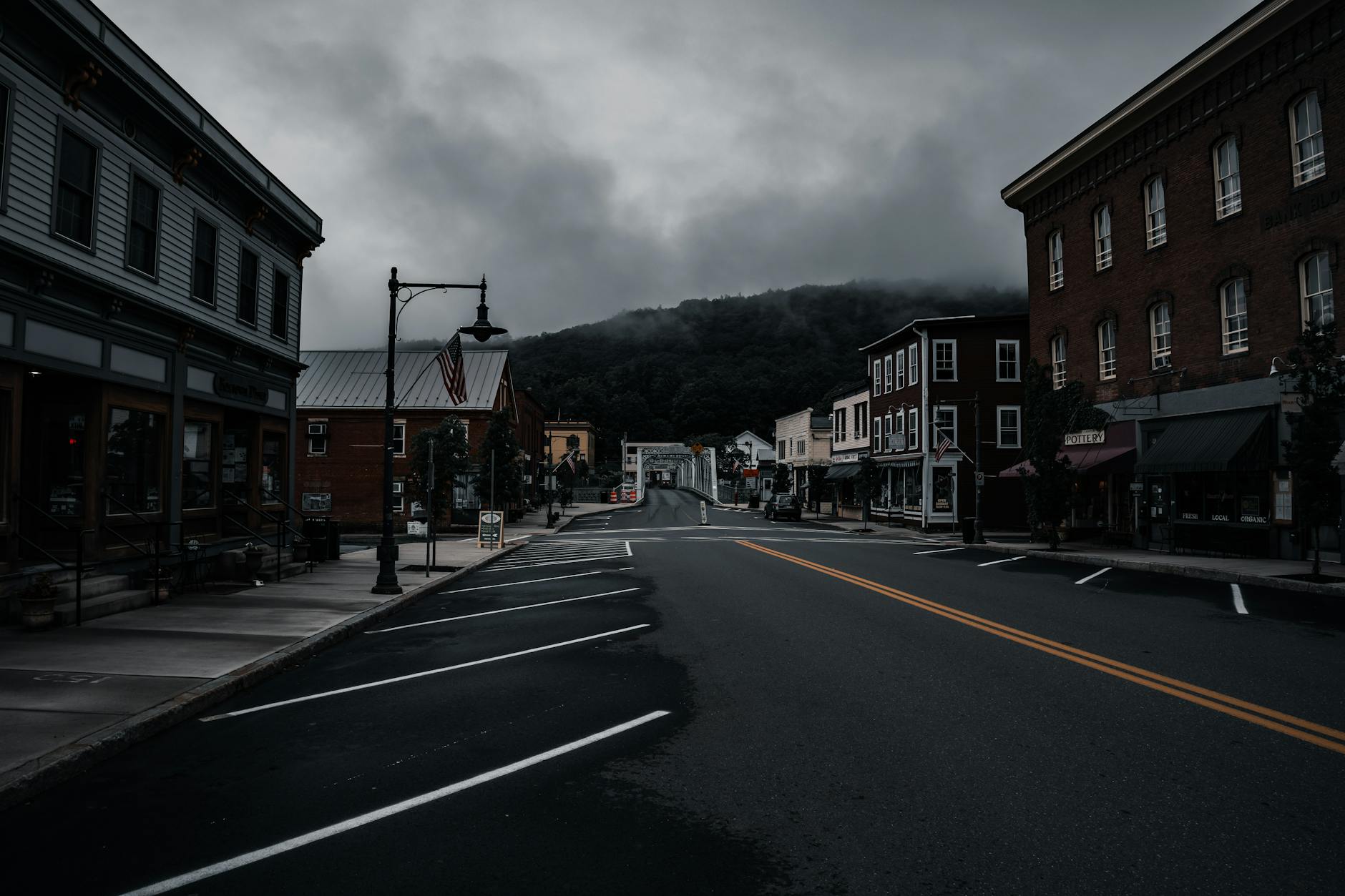
Economic Impact Transforms Local Businesses
Remote workers earning San Francisco or New York salaries in small towns create immediate economic multipliers. Local restaurants report 30-40% increases in lunch business as remote workers seek alternatives to home offices. Coffee shops that previously closed at 2 PM now stay open until evening, adding second shifts and hiring additional staff.
Coworking spaces are popping up in unexpected places. Traverse City, Michigan opened three new shared office facilities in two years. Asheville, North Carolina’s coworking membership grew 400% since 2020. These spaces often occupy former retail stores, breathing new life into downtown districts that Amazon and big box stores had hollowed out.
Property values surge alongside business growth. Median home prices in Bozeman, Montana jumped 85% between 2020 and 2024. Similar increases hit towns like Bend, Oregon and Park City, Utah. The influx creates wealth for existing homeowners but prices out locals, particularly service workers whose wages haven’t kept pace.
Local governments struggle to balance growth with infrastructure needs. Water systems designed for 15,000 residents suddenly serve 25,000. Roads built for light traffic now handle daily commuter volumes to newly established office parks and coworking hubs.
Housing Market Pressures Create Winners and Losers
The housing shortage hits small towns harder than major cities because of limited building capacity. Most small towns lack large-scale developers and face zoning restrictions that prevent rapid expansion. Construction crews are often booked months in advance, driving up both timeline and costs for new builds.
Rental markets experience the most dramatic changes. Towns that previously had minimal rental inventory now see investors converting single-family homes to rentals for remote workers seeking flexibility. This reduces homeownership opportunities for locals while inflating rental prices beyond what local wages support.
Some communities implement policy responses. Whitefish, Montana introduced deed restrictions requiring new developments to include affordable housing units. Burlington, Vermont launched first-time homebuyer programs specifically for existing residents competing against out-of-state remote workers with larger down payments.

The construction boom creates opportunities for local contractors and suppliers. Lumber yards report doubled sales volumes. Electricians and plumbers command premium rates due to overwhelming demand. However, material costs and labor shortages limit how quickly supply can respond to demand, maintaining upward pressure on housing costs.
Short-term rentals add another layer of complexity. Properties that might house year-round residents instead become vacation rentals for urban visitors seeking small-town escapes. This reduces housing stock while increasing tourism revenue – a trade-off that divides communities.
Cultural and Infrastructure Adaptations
Small towns adapt their identity to accommodate new residents with different expectations and spending power. Organic grocery stores open in towns that previously had only convenience marts. Yoga studios and boutique fitness centers appear alongside traditional gyms. Wine bars and craft cocktail lounges complement longtime taverns and diners.
The changes aren’t always smooth. Longtime residents sometimes resent newcomers who they perceive as driving up costs while changing community character. Town hall meetings grow heated over development proposals and zoning changes. Social media groups split between welcoming growth and preserving tradition.
Infrastructure strain extends beyond housing. Internet service becomes critical infrastructure as remote workers demand reliable high-speed connections. Towns that previously managed with basic broadband now need fiber networks. Cell tower construction accelerates to handle increased data usage.
School systems face enrollment surges as remote workers with families relocate. Districts hire teachers and expand facilities to accommodate growth. However, increased property tax revenue from higher home values helps fund these expansions, though often with a lag time that creates temporary overcrowding.
Healthcare access improves in some areas as increased population supports specialists who previously weren’t viable. However, existing medical practices become overwhelmed with new patients, creating appointment backlogs and straining resources.
Service Industry Employment Surges
The influx of higher-earning remote workers creates service job opportunities that didn’t exist before. Restaurants hire servers, cooks, and managers to handle increased business. Cleaning services expand to serve remote workers who can afford household help. Personal trainers, dog walkers, and handypersons find robust demand from new residents.
However, these service workers face housing affordability challenges. The same remote worker influx that creates their jobs also drives up housing costs beyond what service wages support. Many commute from even smaller surrounding towns or live in shared housing arrangements.
Labor shortages that affect metropolitan restaurants also impact small towns, but for different reasons. Small towns often have limited labor pools, and competition from better-paying remote jobs can draw workers away from food service.
Some businesses struggle with the transition. Family-owned restaurants that served simple fare for decades must decide whether to upgrade menus and prices to match new customer expectations or risk losing market share to new establishments that cater specifically to remote workers.
The gig economy expands rapidly. Uber and DoorDash launch service in towns that previously had no ride-sharing or delivery options. Amazon delivery drivers find full-time work in areas that previously received packages only through traditional mail carriers.

Looking Forward: Sustainable Growth Challenges
The remote work migration shows no signs of slowing, but small towns increasingly focus on managing growth rather than just attracting it. Planning departments that previously handled minimal development now hire urban planners with experience managing rapid expansion.
Some towns implement growth boundaries or impact fees to fund infrastructure improvements. Others focus on converting existing structures rather than building new developments to preserve community character while accommodating new residents.
The success of small-town remote work migration may ultimately depend on maintaining the qualities that attracted urban refugees in the first place – affordability, community connection, and quality of life. Towns that can balance growth with preservation will likely continue thriving, while those that allow unchecked development risk losing their competitive advantages.
Regional economic development organizations now actively court remote workers through marketing campaigns highlighting local amenities, internet infrastructure, and cost of living advantages. This competition between small towns represents a fundamental shift from previous decades when they competed primarily for manufacturing plants or corporate relocations.
The trend reflects broader changes in American work culture and lifestyle priorities. As remote work becomes permanently embedded in corporate policies, the economic geography of the United States continues evolving, with small towns emerging as unexpected winners in the new economy.
Frequently Asked Questions
Why are remote workers moving to small towns?
Lower housing costs, better quality of life, and the ability to keep urban salaries while living affordably drive the migration.
How do small towns benefit from remote worker migration?
Increased local spending, new businesses, higher property values, and expanded tax base boost local economies significantly.