





Steel tariffs were sold to Rust Belt communities as a jobs guarantee – a policy lever that would flip shuttered mills back on and restore the industrial backbone of towns that have been waiting decades for a turnaround. The reality unfolding across Pennsylvania, Ohio, and Indiana is considerably more complicated.
The Gap Between Policy and Production
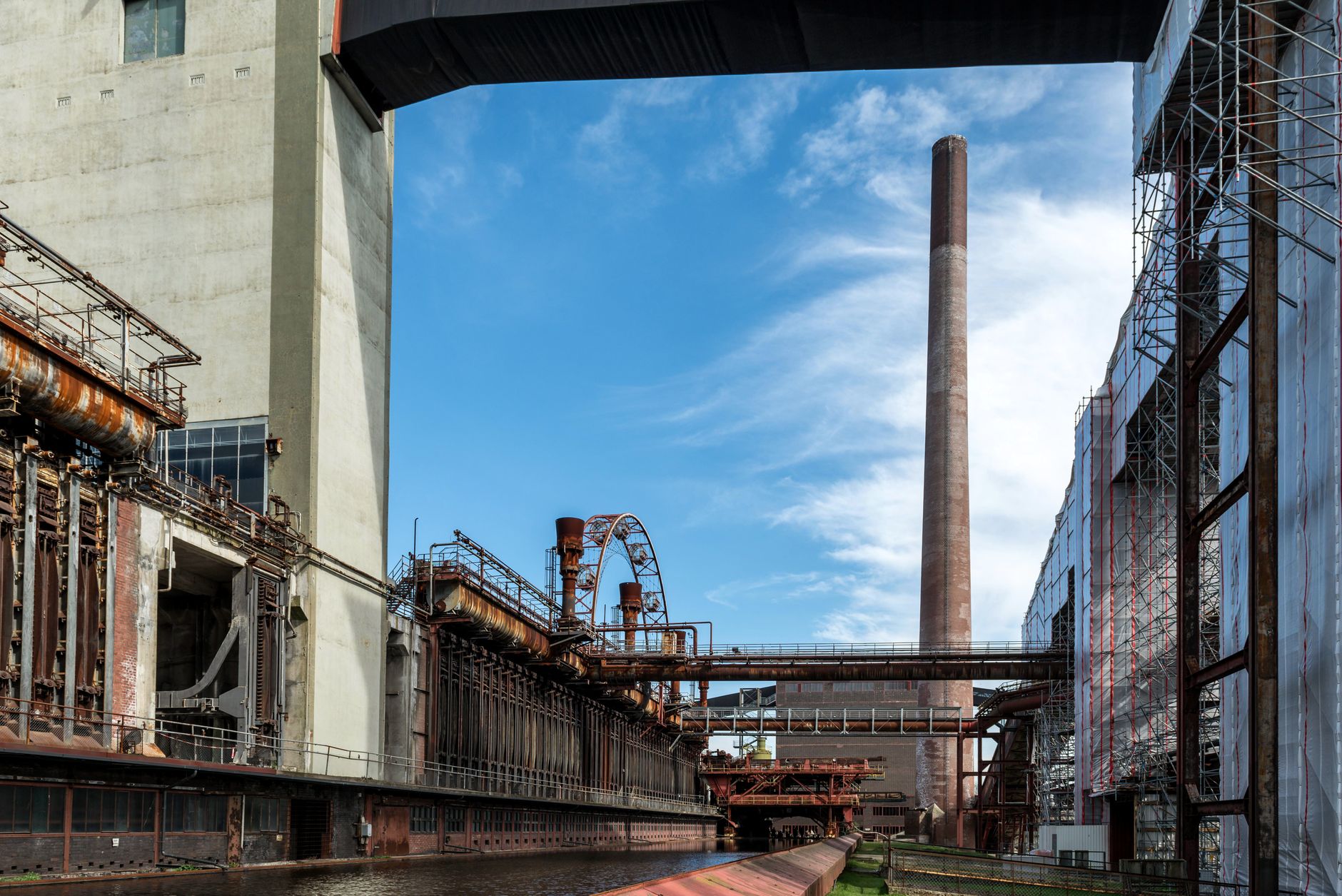
When the Trump administration imposed a 25 percent tariff on imported steel in 2018, and then revived and expanded those measures in 2025, the political pitch was straightforward: make foreign steel more expensive, and domestic mills become competitive again. Idled plants reopen. Union jobs return. The math, in theory, was clean. The operational reality of restarting a steel mill, however, involves a set of challenges that trade policy alone cannot resolve.
Restarting a blast furnace that has been cold for years is not a matter of flipping a switch. The process requires recertification of equipment, rehiring and retraining specialized workers, rebuilding supplier relationships, and securing long-term purchase agreements from buyers who have, in many cases, restructured their supply chains around alternatives. A facility that sat idle for five years has not simply paused – it has lost its position in a market that moved on without it.
Capital investment is the other obstacle that tariff advocates rarely address directly. Steelmaking infrastructure deteriorates. Restarting a dormant electric arc furnace or a hot-strip mill requires significant upfront spending before a single ton of steel is produced. In an environment where interest rates remain elevated and lending conditions for heavy industry have tightened, that capital is not easy to mobilize. Companies weigh the cost of restart against the durability of tariff protection – and tariff policy, as any steel executive knows, has a history of reversals tied to political cycles and trade negotiations.
The result is a pattern where tariff announcements generate press releases and political momentum, but actual production capacity comes back slowly, partially, or not at all. Several facilities in Ohio and western Pennsylvania that were cited in 2025 announcements as beneficiaries of renewed steel protections have yet to announce concrete restart timelines. Workers in those communities are watching closely, and the gap between promise and production is becoming harder to ignore.
Who Actually Benefits – and When
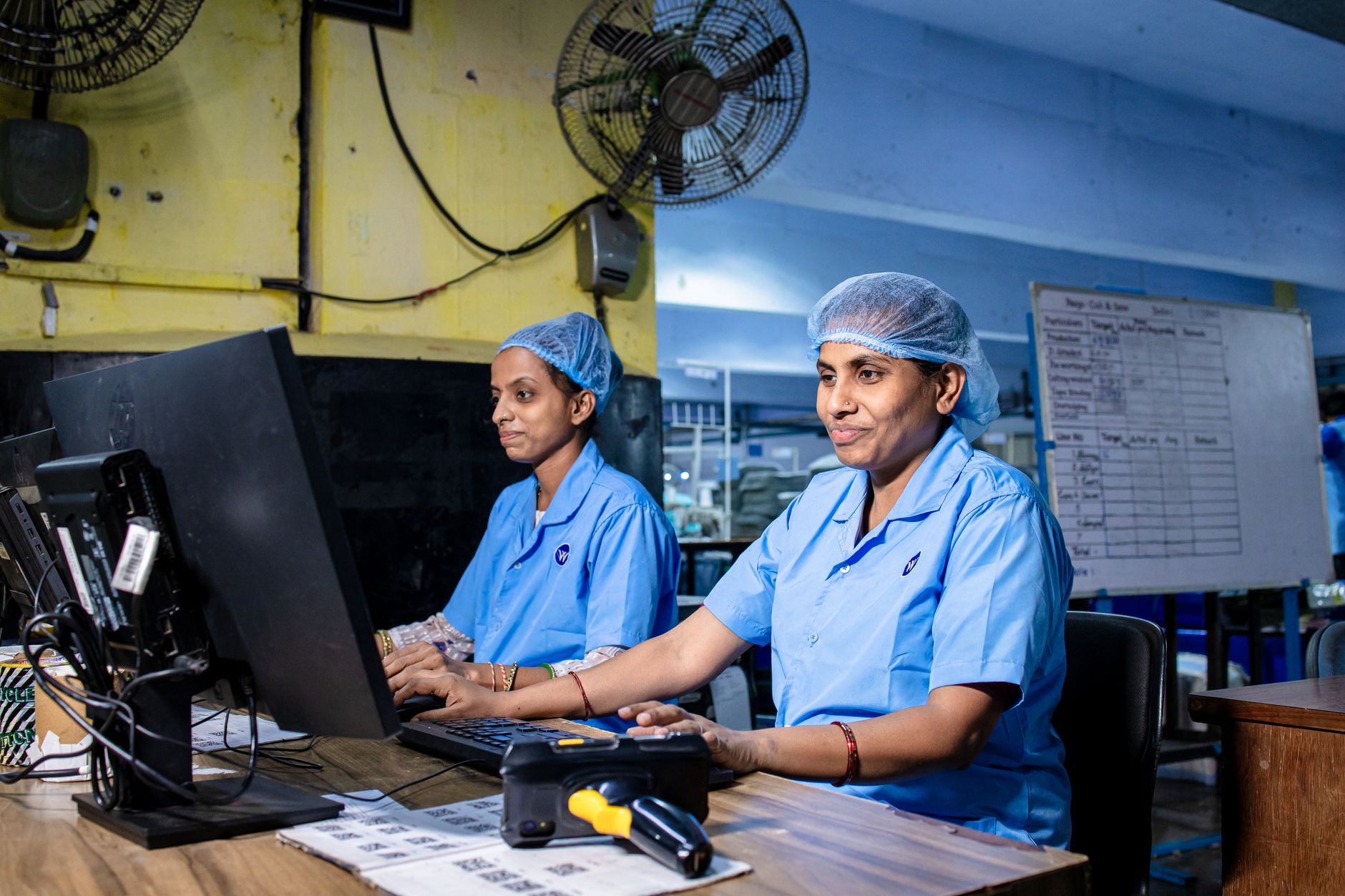
The companies that benefit most immediately from steel tariffs are not the ones reopening shuttered plants. They are the mills that were already operating – facilities running at partial capacity that can now sell into a domestic market where foreign competition is price-disadvantaged. For those producers, tariffs function as a margin expansion tool. That is a legitimate economic outcome, but it is not the same thing as job creation in communities that have been without a functioning mill for years.
Integrated steelmakers with existing operations in Indiana and the Great Lakes region have reported improved pricing power and stronger order books since tariff measures took effect. Some have announced capacity expansions – adding shifts, upgrading equipment, or bringing back laid-off workers at active sites. These are real gains, and they matter to the workers involved. But they are geographically concentrated in facilities that never went fully dark, not in the towns where politicians made the most pointed promises.
The workforce dimension adds another layer of complexity. Skilled steelworkers – particularly those who operated specialized equipment – do not simply wait in place for years until their old plant restarts. They relocate, retire, or shift into other industries. A 58-year-old former furnace operator in Youngstown is not the same hiring pool as the workforce that was available when the plant closed. Training pipelines for steel production take 18 to 36 months to produce a competent crew, which means even a fully funded restart cannot deliver employment fast enough to match a political cycle.
Downstream industries complicate the picture further. Steel tariffs raise input costs for manufacturers who use steel as a raw material – automakers, appliance producers, construction firms, and agricultural equipment manufacturers. Those companies, many of them also located in the Rust Belt, absorb higher material costs that compress their own margins or pass through to consumers. The net employment effect across the full manufacturing ecosystem is contested, and the distribution of gains versus losses does not map neatly onto the communities where tariff supporters are concentrated. For workers in industries already navigating tight labor markets, broader workforce pressures are compounding the uncertainty.
There is also the question of what steel buyers do in response. Large industrial purchasers do not absorb tariff-driven price increases passively. They renegotiate contracts, accelerate automation investments, substitute materials where possible, or shift production to facilities outside the tariff zone. These are rational corporate responses, and they erode some of the demand that domestic steelmakers might otherwise capture. The tariff creates a price umbrella, but the size of the shelter depends on how much demand actually stays inside it.
What Rust Belt Communities Are Actually Seeing
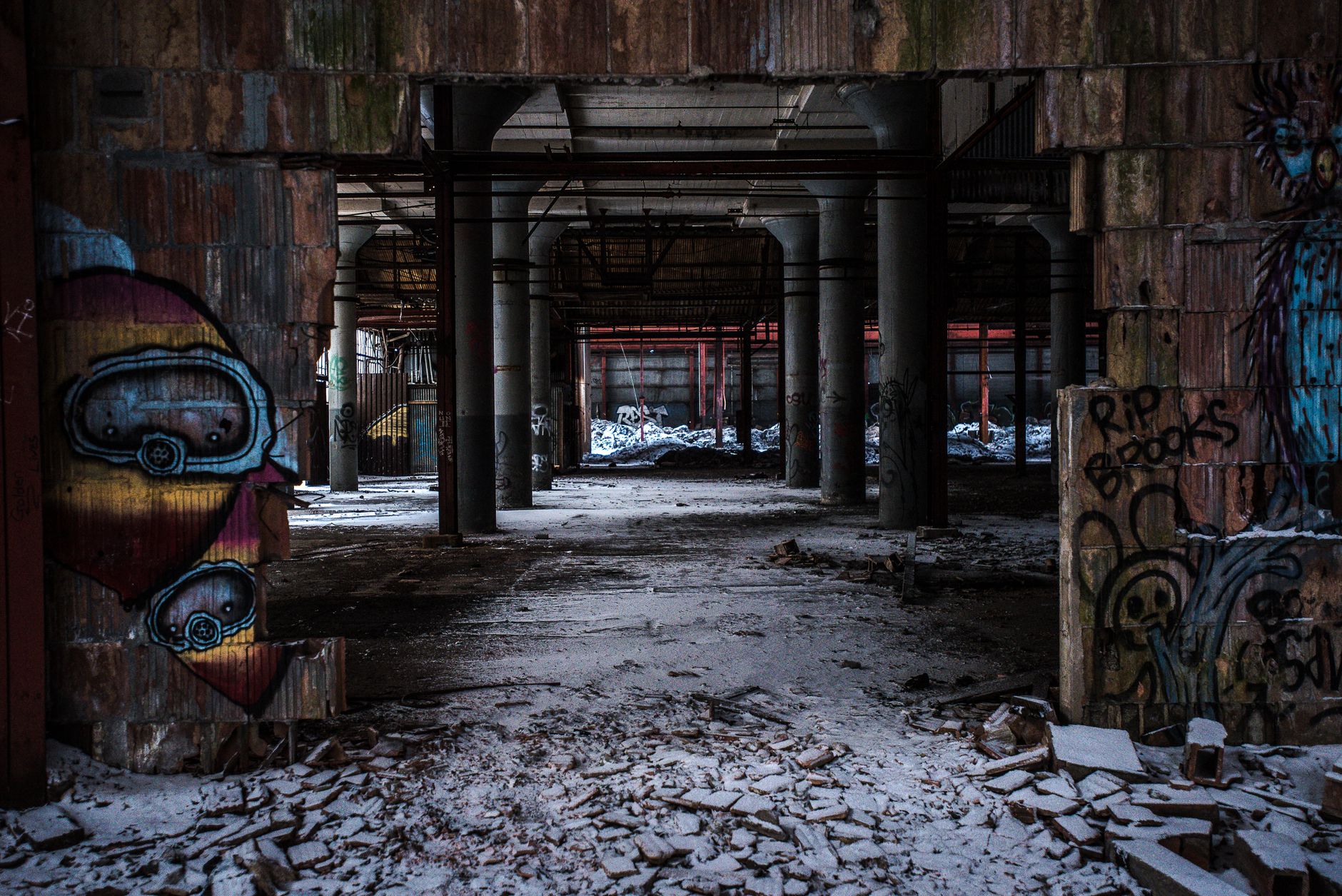
On the ground in towns like Weirton, West Virginia, or Middletown, Ohio, the conversation around steel tariffs has a tired quality. These communities have lived through multiple rounds of trade protection promises – the voluntary restraint agreements of the 1980s, the Section 201 tariffs of 2002, the 232 measures of 2018 – and each cycle has produced a version of the same outcome: temporary price relief for operating mills, incremental employment gains that fall short of the jobs lost in previous decades, and no structural reversal of long-term industrial decline. The optimism at the start of each cycle is genuine. The disappointment that follows has become familiar.
What would actually accelerate mill restarts is a combination of factors that tariffs alone cannot deliver: long-term purchase commitments from domestic manufacturers, patient capital willing to fund multi-year restart timelines, workforce development programs scaled to the actual skill requirements of modern steelmaking, and regulatory stability that makes a 10-year investment thesis credible. Some of those conditions require federal coordination beyond trade policy. Others require state governments and private investors to move in the same direction at the same time. None of it happens on the schedule that a tariff announcement implies – and the communities waiting for it have learned, through repetition, not to count on the timeline they’re given.