





When Overtime Disappears, Output Follows
Overtime hours at steel mills are quietly being cut, and for anyone tracking industrial output, that is a louder signal than most headlines suggest. Steel production runs on continuous cycles – blast furnaces, rolling mills, and finishing lines that rarely go cold without a reason. When companies start pulling back on overtime before laying off workers, it is a deliberate cost management move that typically precedes a broader pullback in production volume. That sequence is playing out now across several major producing regions in the United States.
The pattern showing up in recent labor and production data points to something more than seasonal adjustment. Steelworkers at integrated mills and electric arc furnace operations are reporting reduced overtime schedules, and some facilities have shifted from six-day production weeks to five. That one-day difference sounds minor, but in an industry that runs on capacity utilization, it can translate into a meaningful drop in monthly tonnage output – and it tends to arrive well before any official slowdown shows up in manufacturing indices.

What the Overtime Data Actually Reflects
Overtime in steel is not a perk – it is a production tool. When order books are full and delivery windows are tight, mills push workers into extended shifts to meet demand. When that pressure eases, overtime disappears first. It is cheaper and faster to cut hours than to idle equipment or negotiate union layoffs, so companies use it as a real-time demand gauge. The fact that it is declining now suggests that forward order flow has softened enough for operators to stop chasing output.
Flat-rolled steel, which feeds automotive, appliance, and construction manufacturing, appears to be where the softness is most concentrated. Service center inventories – the warehouses that buy steel in bulk and resell it to smaller manufacturers – have been building for several months, which removes urgency from direct mill orders. When service centers are sitting on inventory, they stop restocking aggressively, and mills feel that pullback almost immediately in their weekly order intake.
Structural steel and plate, used heavily in infrastructure and industrial construction, has held up somewhat better. Government-funded projects tied to infrastructure legislation passed in prior years continue to generate demand, but that work is unevenly distributed geographically and is not enough to offset weakness in the broader commercial and residential construction pipeline. The construction slowdown tied to elevated borrowing costs continues to weigh on structural demand, and homebuilder activity has not recovered enough to create consistent upstream steel pull.

The Broader Industrial Picture
Steel does not operate in isolation. Its production cycle is tightly linked to the health of the manufacturing sector as a whole, and the overtime cuts arrive against a backdrop of flattening industrial activity. Factory output has been running near flat for several consecutive months, with durable goods orders showing inconsistent readings that make trend-spotting difficult. Steel is one of the earlier signals in that chain precisely because it sits so far upstream – if demand for finished manufactured goods is softening, steel mills feel it before assembly plants do.
The labor angle adds another layer. Steelworkers typically earn significantly higher wages during overtime periods, and those earnings circulate through local economies in steel-producing communities in Pennsylvania, Ohio, Indiana, and Alabama. Reduced overtime means reduced household income in those areas, which creates a secondary effect on local consumer spending. It does not show up in national retail figures immediately, but it compounds over time in regions where steel employment is concentrated.
Reading the Production Trajectory
Capacity utilization in the U.S. steel sector has been trending downward from the highs it reached in prior years. The domestic industry expanded electric arc furnace capacity aggressively over the past several years in response to strong demand and favorable trade protection from tariffs on imported steel. That capacity expansion now looks slightly ahead of where demand is running, which means mills have more production capability than current orders justify. Cutting overtime is one way to align output with actual order flow without making irreversible capital decisions.
Import competition adds pressure from another direction. Despite existing tariff structures, some import volumes have increased through quota arrangements and exemptions, introducing additional supply into a market that is already working through excess domestic inventory. When domestic mills are simultaneously fighting soft demand and import competition, the instinct is to protect margin by reducing volume rather than cutting price – and that margin defense shows up in the overtime data before it shows up anywhere else.
The automotive sector, historically one of the most reliable steel consumers, is sending mixed signals. Electric vehicle production schedules have been revised downward at several manufacturers, which affects both the volume and the mix of steel ordered. EVs require different steel specifications than traditional vehicles, and as production forecasts shift, purchasing patterns at automotive stamping plants become harder to predict. Mills that oriented their product mix toward the EV transition are now recalibrating.
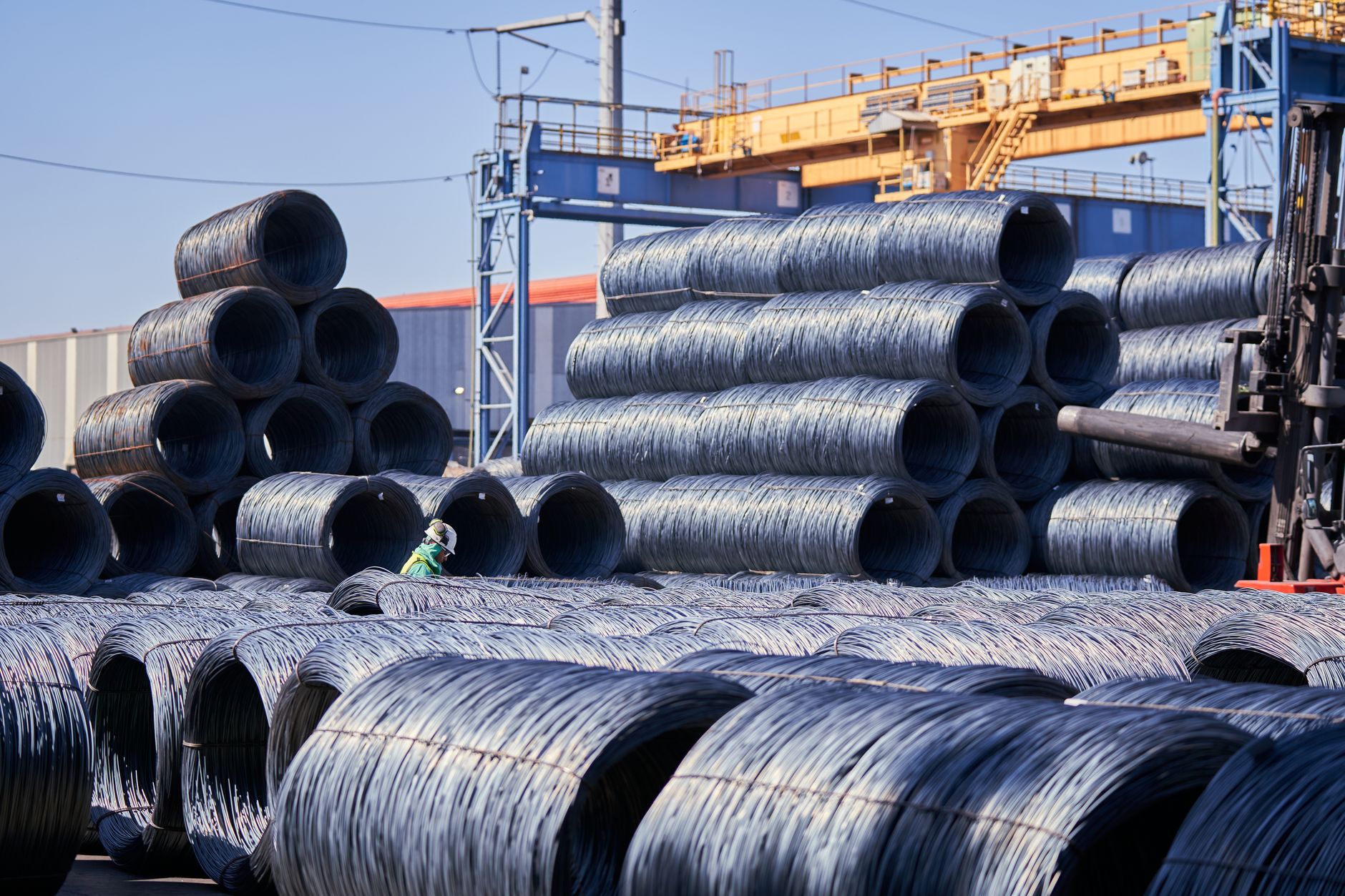
What makes the current overtime reduction worth watching closely is the timing relative to the broader economic calendar. Industrial output data typically lags real-time conditions by four to six weeks by the time it is collected, processed, and published. By the time official manufacturing reports confirm a slowdown that steel overtime cuts are already signaling, the softness will have been entrenched for at least a month. Companies that source steel for manufacturing or construction are already getting informal signals through extended lead times and mill responsiveness – conditions that, a year ago, were tight enough to require months of advance ordering are now loosening in ways that shift pricing power back toward buyers. That shift has not yet shown up clearly in published producer price indices, but the overtime data suggests it is coming.
Frequently Asked Questions
Why do steelworker overtime cuts signal a slowdown before official data does?
Mills reduce overtime before idling equipment or cutting jobs, making it a faster real-time indicator of weakening order flow than published industrial output reports.
Which steel products are seeing the most demand weakness right now?
Flat-rolled steel used in automotive, appliance, and construction manufacturing is under the most pressure, while structural steel tied to infrastructure projects has held up better.