





Amazon warehouses across the country are installing robots at record pace. Target distribution centers are deploying automated sorting systems. Walmart facilities are integrating AI-powered inventory management. The reason: supply chain bottlenecks that exposed critical vulnerabilities in traditional warehouse operations have sparked a massive investment surge in automation technologies.
The pandemic-triggered disruptions weren’t just temporary hiccups. They revealed fundamental weaknesses in manual warehouse processes that companies can no longer afford to ignore. Now, businesses are racing to automate their fulfillment operations, driving what industry analysts call the fastest transformation in warehouse technology adoption since the introduction of barcode scanning.

Labor Shortages Accelerate Automation Investment
The warehouse automation boom stems directly from persistent labor challenges that show no signs of easing. Major retailers and logistics companies face a perfect storm: rising consumer expectations for faster delivery, chronic worker shortages, and increasing wage pressures that mirror broader labor market trends affecting industries from restaurants to manufacturing.
Warehouse workers are demanding higher wages and better conditions, rightfully so given the physical demands of the job. Companies like Amazon have responded by raising minimum wages to $15-18 per hour in many markets, but even these increases haven’t solved recruitment and retention challenges. The result: automated systems that can work 24/7 without breaks, benefits, or sick days suddenly look like compelling investments rather than future possibilities.
Investment data tells the story. Venture capital funding for warehouse robotics companies jumped 40% year-over-year, with established players like Boston Dynamics, Fetch Robotics, and Locus Robotics securing major contracts. Meanwhile, traditional warehouse equipment manufacturers are pivoting their entire product lines toward automated solutions.
The technology itself has reached a tipping point. Robotic picking systems that once required months of programming can now be deployed in weeks. Machine learning algorithms adapt to new products and warehouse layouts without extensive reconfiguration. Computer vision systems recognize and sort packages with accuracy rates exceeding human performance in many categories.
E-Commerce Growth Demands Faster Fulfillment
Consumer behavior shifted permanently during the pandemic, creating fulfillment demands that manual operations simply cannot meet. Online grocery ordering, which was a niche service in 2019, became mainstream across demographics. Same-day delivery evolved from a premium service to a standard expectation. Buy-online-pickup-in-store programs exploded as customers sought convenience without delivery fees.
These changes put enormous pressure on warehouse operations. Traditional distribution centers designed for bulk shipments to retail stores suddenly needed to handle individual consumer orders with complex picking requirements. A single online grocery order might include frozen foods, fresh produce, household cleaners, and electronics – all requiring different handling, storage temperatures, and packaging protocols.
Automated micro-fulfillment centers are emerging as the solution. These compact, highly automated facilities can be located closer to urban populations, reducing delivery times and costs. Companies like Kroger and Ahold Delhaize are installing these systems in existing stores and standalone locations, using robotic systems to assemble orders with minimal human intervention.
The numbers are staggering. A typical automated micro-fulfillment center can process 1,000+ orders per day with just 2-3 human supervisors, compared to traditional operations requiring 15-20 workers for similar throughput. Order accuracy rates exceed 99.5%, virtually eliminating the costly returns and customer service issues associated with picking errors.
Supply Chain Resilience Through Smart Technology
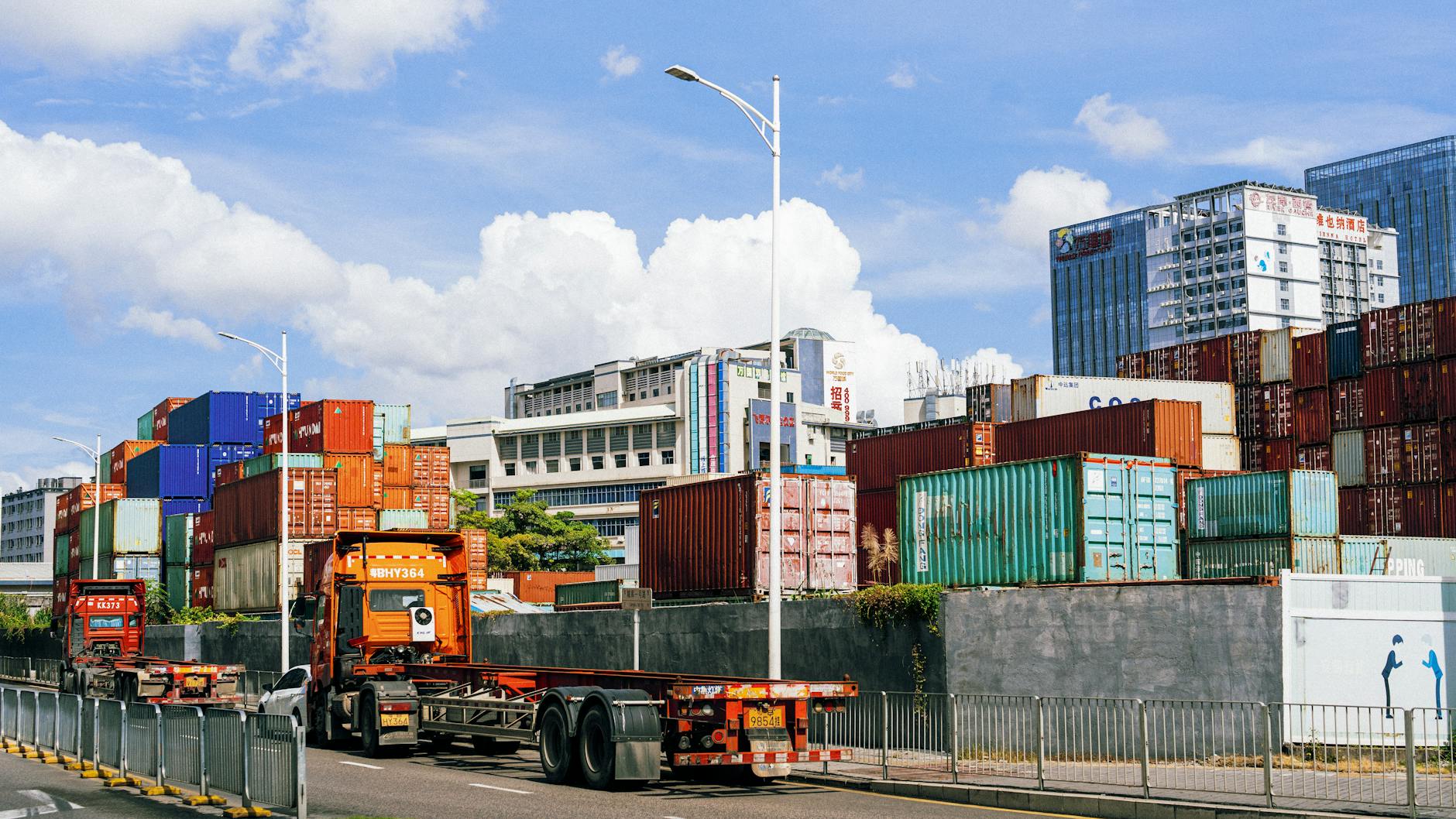
The automation surge isn’t just about speed and cost reduction – it’s about building resilience against future disruptions. Companies learned painful lessons when semiconductor shortages and shipping delays exposed how fragile their supply chains had become. Automated warehouses provide multiple layers of protection against various disruption scenarios.
Predictive analytics powered by artificial intelligence can forecast demand fluctuations weeks in advance, allowing automated systems to pre-position inventory before supply crunches occur. Real-time inventory tracking prevents the stockout situations that plague traditional warehouses during high-demand periods. Flexible robotic systems can be rapidly reconfigured to handle different product types when supply chains shift.
Geographic diversification becomes more feasible with automation. Companies can operate smaller, automated facilities in multiple regions rather than relying on massive centralized distribution centers vulnerable to regional disruptions. This distributed model proved its worth during natural disasters and transportation strikes that shut down traditional hub-and-spoke logistics networks.
Integration with suppliers is becoming seamless through automated data exchange. When a supplier’s production changes, automated warehouse systems can immediately adjust receiving schedules, storage allocations, and outbound shipping priorities. This level of coordination was impossible with manual processes and paper-based communication systems.
Investment Returns Drive Continued Expansion
The financial case for warehouse automation has become undeniable. Companies report payback periods of 18-24 months for robotic installations, compared to 3-5 years just a few years ago. Labor cost savings represent only part of the equation – reduced errors, faster throughput, and improved inventory accuracy contribute significantly to return on investment calculations.
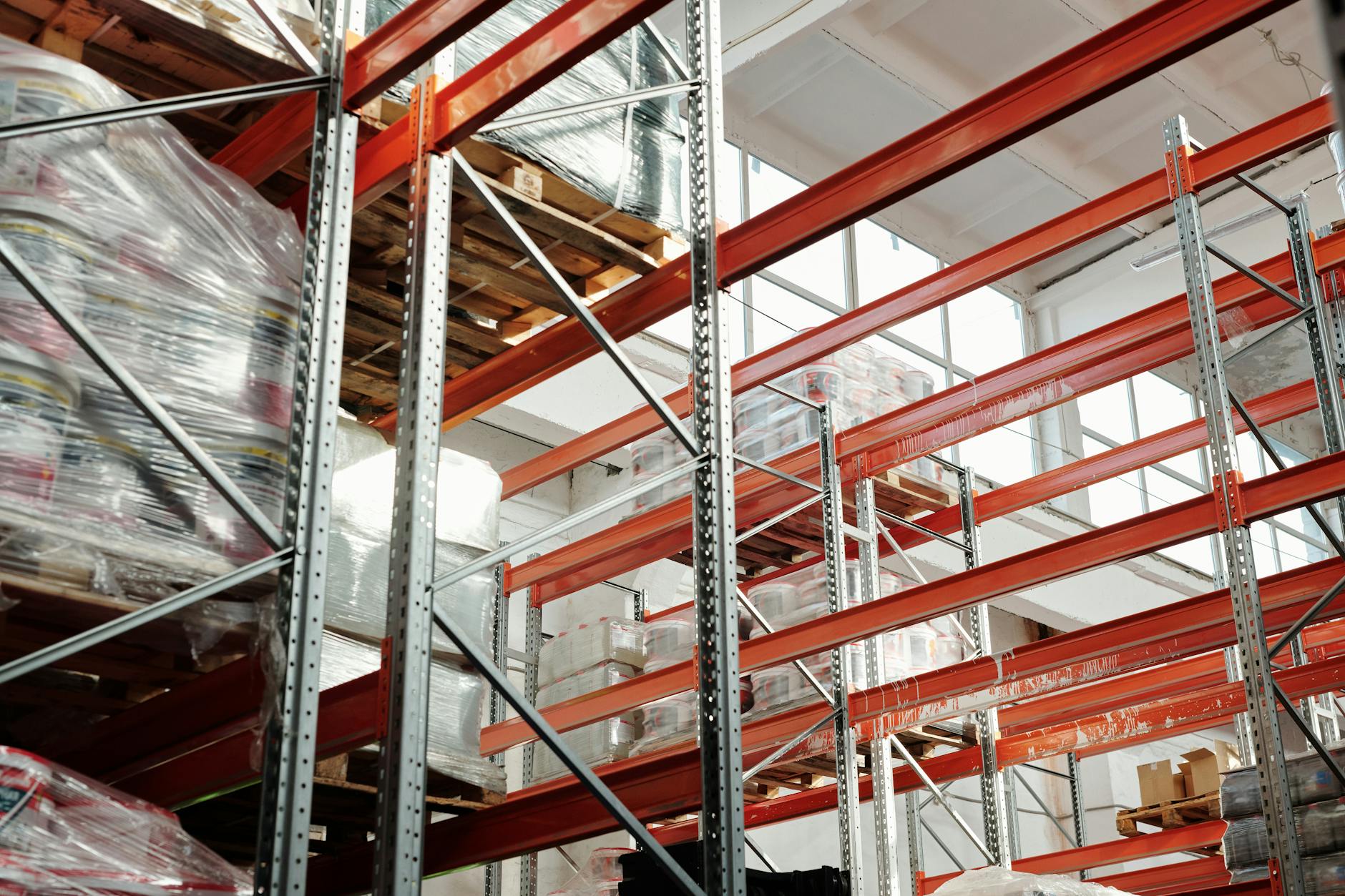
Real estate efficiency creates additional value. Automated storage and retrieval systems can utilize vertical space that human workers cannot safely access, effectively doubling or tripling warehouse capacity without expanding building footprints. In markets where industrial real estate commands premium prices, this space optimization provides immediate value.
Energy efficiency improvements add another financial benefit. Modern automated systems use LED lighting, optimized heating and cooling zones, and electric vehicles for material movement. These systems typically reduce facility energy consumption by 25-30% compared to traditional operations, providing ongoing operational savings that compound over time.
The warehouse automation revolution reflects broader economic shifts toward technology-enabled resilience and efficiency. As supply chain disruptions continue affecting global trade, companies investing in automated fulfillment capabilities position themselves for competitive advantages that extend far beyond operational cost savings. The question for businesses isn’t whether to automate their warehouse operations, but how quickly they can implement these transformative technologies before their competitors gain insurmountable advantages in speed, accuracy, and customer satisfaction.
Frequently Asked Questions
Why are companies investing heavily in warehouse automation now?
Labor shortages, supply chain disruptions, and e-commerce growth demands are driving companies to automate for resilience and efficiency.
What’s the typical payback period for warehouse automation investments?
Companies report payback periods of 18-24 months for robotic installations, down from 3-5 years previously.