





When Getting Ahead of Tariffs Becomes Its Own Cost Center
The logic seemed simple enough: buy now, before tariffs push prices higher. Across wholesale distribution, that instinct drove a broad buildup of forward inventory through late 2024 and into 2025, as importers and distributors raced to front-load purchases ahead of anticipated duties on goods ranging from electronics components to industrial fasteners. What those calculations often skipped was the back half of the equation – what it actually costs to hold all that extra product once it arrives.
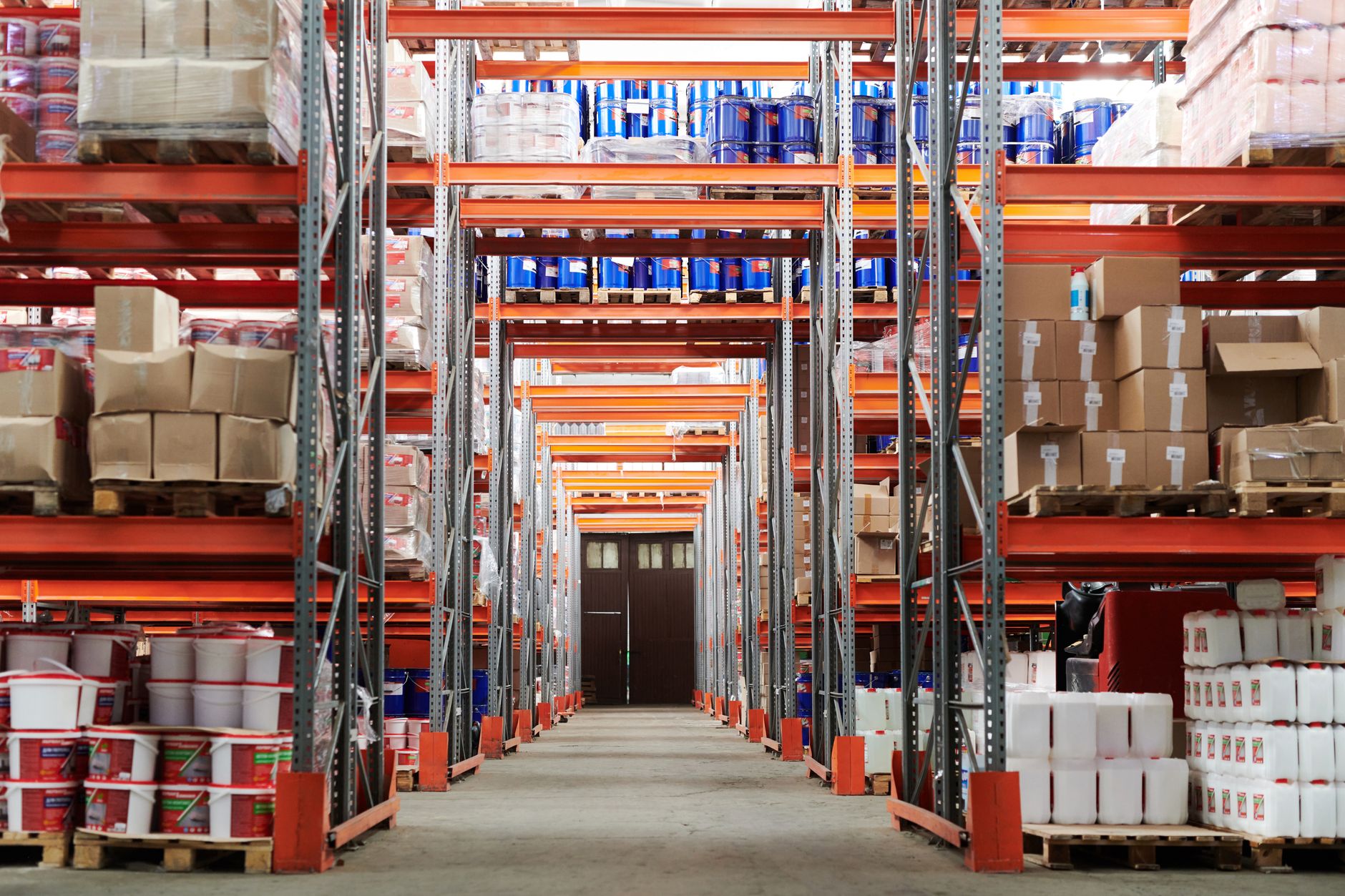
Carrying costs are rarely glamorous enough to make headlines, but they are relentless. Warehouse space, insurance premiums, financing charges on the working capital tied up in idle goods, spoilage or obsolescence risk – these expenses accumulate daily, and they scale directly with inventory volume. When entire supply chains stockpile simultaneously, the pressure on those costs compounds in ways that individual business plans rarely anticipate.
The Mechanics of a Carrying Cost Squeeze
Inventory carrying costs typically run somewhere between 20 and 30 percent of the total value of the goods held, on an annualized basis. That figure bundles together several distinct expense categories: the cost of capital (whether that’s interest on a credit line or the opportunity cost of cash tied up), storage and handling fees, shrinkage, and the often-underestimated risk of depreciation or demand shifts that leave a stockpile worth less than it was purchased for. Under normal inventory rhythms, those costs are built into pricing models and absorbed without crisis. The tariff stockpiling cycle has disrupted those rhythms considerably.
When a business accelerates purchasing by several months’ worth of demand, it doesn’t just incur carrying costs for one month – it incurs them for however long it takes to actually sell through that excess. If a distributor bought eight months of supply to avoid a tariff that raised input costs by 10 to 15 percent, but the goods sit for six months before moving, the carrying cost savings can evaporate entirely. The math gets worse when warehouse space tightens and storage rates rise, which is precisely what has been happening in several major logistics markets where demand for short-term warehousing surged in tandem with the import rush.
Financing is the piece that often catches businesses off guard. Many wholesale operations rely on revolving credit lines or trade finance arrangements to fund inventory purchases. Carrying an unusually large inventory position means drawing more heavily on those lines for longer periods. With borrowing costs still elevated relative to the near-zero rate environment that defined the early 2020s, the interest expense attached to a tariff stockpile can be meaningfully higher than businesses modeled when they made the original purchasing decision.
Warehouse Rates and the Logistics Crunch
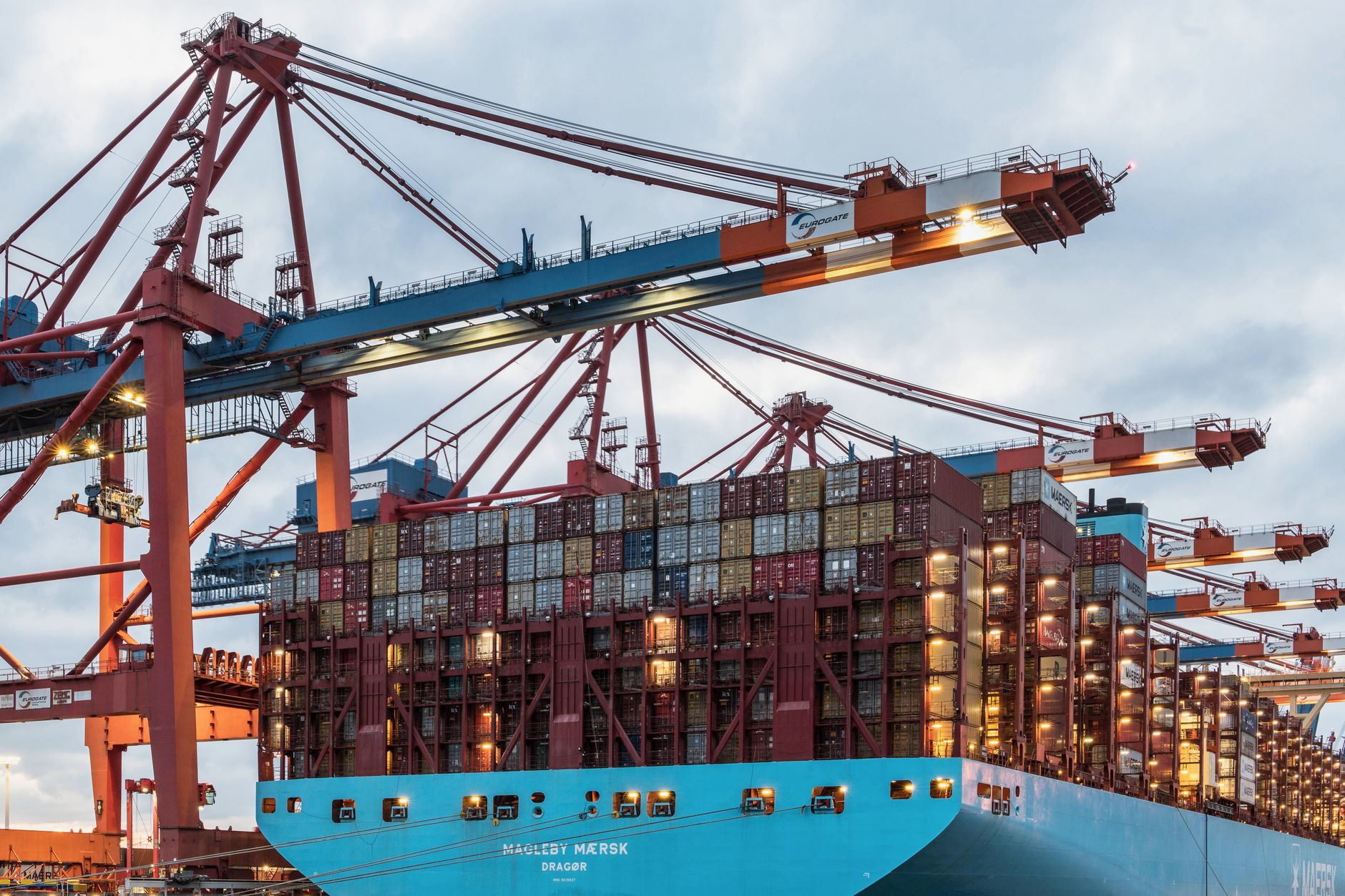
The warehousing market has absorbed the stockpiling wave unevenly. Major port-adjacent markets – think Southern California, New Jersey, and the Savannah area – saw renewed pressure on third-party logistics rates as importers competed for available square footage. Smaller regional distributors, who often lack dedicated warehouse capacity and rely on 3PL providers, found themselves paying spot rates that had not been part of their tariff-avoidance calculations. A product category with thin margins – say, consumer hardware or mid-range electronics accessories – can tip from profitable to breakeven on carrying costs alone when storage rates spike.
The broader issue is that the tariff hedging strategy worked best for businesses that already had excess warehouse capacity, strong balance sheets, and long enough sales cycles to absorb a delayed sell-through. For mid-market wholesalers operating closer to their logistical and financial limits, the same strategy that protected against tariff exposure created a different kind of vulnerability on the balance sheet.
Who Bears the Cost – and When It Shows Up
Carrying costs are a lagging signal. They don’t surface dramatically in a single earnings report or monthly trade figure – they bleed through gradually, compressing margins quarter by quarter. This is why the broader economic effect of the stockpiling boom’s carrying cost burden has stayed quiet even as the underlying inventory buildup became visible in wholesale trade data. The pain is real; it just travels slowly.
Businesses most exposed are those that stockpiled in categories with meaningful obsolescence risk. Technology-adjacent components, fashion-driven goods, and anything subject to seasonal demand windows all carry the additional risk that an extended holding period doesn’t just cost money – it destroys value. A distributor who over-bought consumer electronics accessories ahead of tariffs now faces not just financing and storage costs but the possibility that model cycles or demand softness will force markdown pricing that erodes whatever tariff savings were originally captured.
There is also a downstream pricing question that hasn’t fully resolved. The standard assumption in a tariff environment is that importers pass costs through to retailers and ultimately consumers. But a wholesale distributor sitting on six months of pre-tariff inventory is in a complicated position: sell at pre-tariff prices and preserve volume but sacrifice margin recovery, or hold for price increases and watch the carrying costs mount. Some are threading that needle unevenly, taking different approaches by customer segment or product line.

The ripple effects extend to suppliers and trade credit relationships as well. When distributors are capital-constrained by oversized inventory positions, they tend to slow new purchase orders and stretch payment terms with vendors. That creates cash flow stress further up the supply chain, particularly for smaller manufacturers and importers who depend on predictable receivables timing. The tariff stockpiling boom, in this sense, didn’t eliminate supply chain financial risk – it deferred some of it and redistributed the rest into carrying costs and credit dynamics that will take several more quarters to fully work through. The distributors who moved fastest to front-load inventory are now sitting with the most complicated math, and not all of them ran the numbers the whole way through before they placed those orders.