




The warehouse boom that defined American logistics during the e-commerce surge is now correcting hard, and the excess space left behind is reshaping commercial real estate, supply chain strategy, and the economics of last-mile delivery all at once.
How the Overbuild Happened
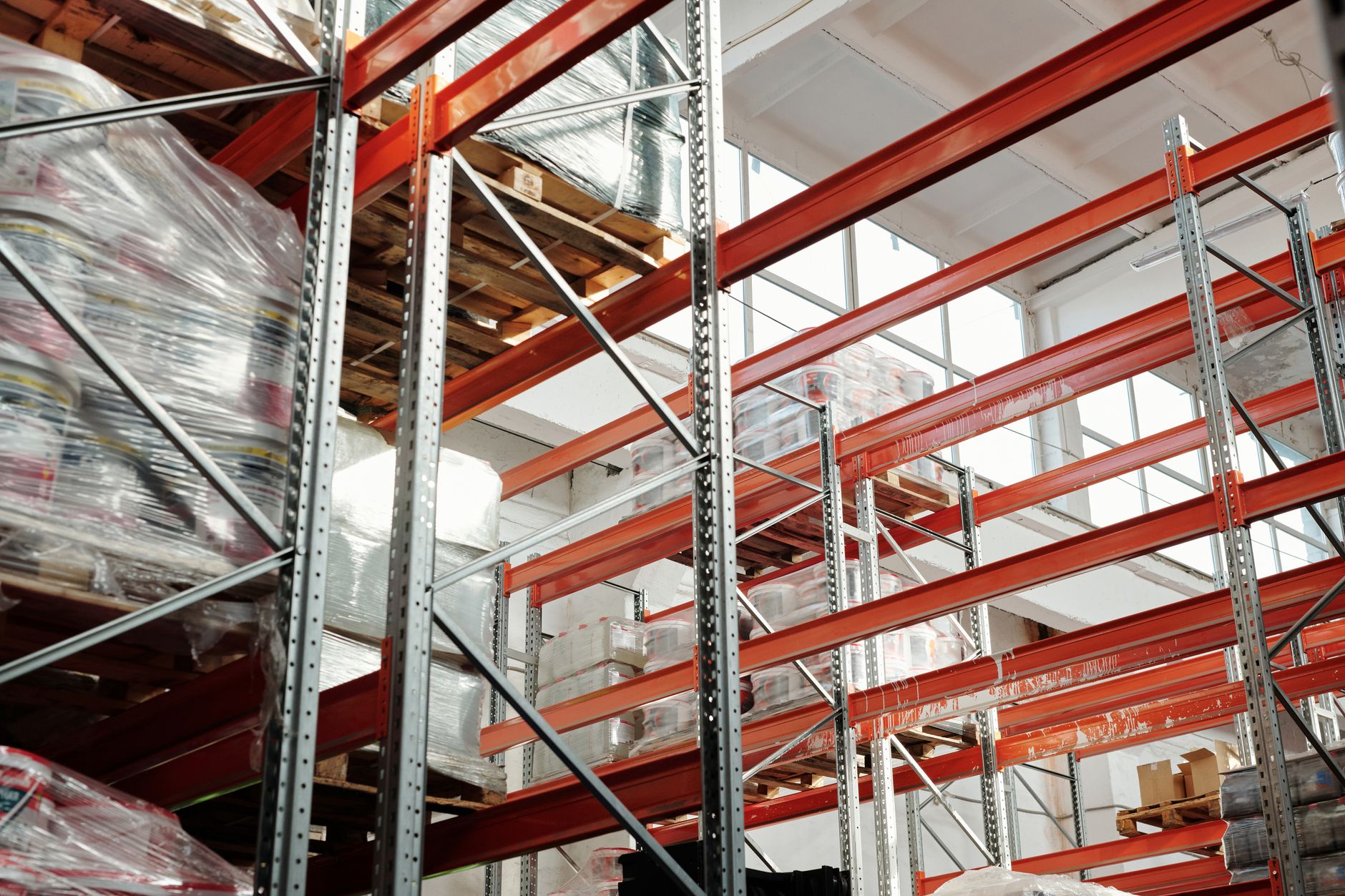
Between 2020 and 2022, retailers and third-party logistics companies raced to secure distribution space at almost any cost. Online shopping volumes had spiked dramatically, delivery speed expectations were tightening, and the fear of being caught without capacity drove companies to sign long-term leases on speculative square footage. Developers responded with record construction pipelines, particularly in Sun Belt markets like Phoenix, Dallas, and Savannah, where land was cheaper and labor pools were accessible. Nobody wanted to be the company that lost sales because it ran out of shelf space in a fulfillment center.
The logic seemed sound at the time. E-commerce penetration had jumped several years ahead of most forecasts in a matter of months. Consultants were projecting sustained high growth, and inventory managers, still stinging from stockouts during early pandemic supply crunches, pushed hard to keep more goods on hand. Leasing velocity hit record highs, and industrial vacancy rates fell to near-historic lows in major markets. Asking rents climbed steeply as a result.
What nobody fully modeled was the snapback. Consumer spending patterns normalized faster than expected, with shoppers returning to physical stores and pulling back on the durable goods categories – electronics, furniture, home fitness equipment – that had driven the warehouse demand spike in the first place. Simultaneously, retailers who had overstocked in 2021 and early 2022 spent the better part of a year burning down excess inventory rather than ordering new goods. Less inbound product meant less need for square footage.
The construction that had been started during peak demand couldn’t be stopped. Buildings that broke ground in 2022 were delivering in 2023 and 2024 into a market that no longer needed them at the same rate. That timing mismatch – between the lease commitments made at the top and the demand that evaporated below – is the core of the current glut.
The Vacancy Problem Gets Specific
Industrial vacancy rates in the United States have been climbing for several consecutive quarters, with some Sun Belt markets seeing available space double from the lows hit during peak demand. Inland Empire, the massive logistics hub east of Los Angeles that became a symbol of warehouse fever, has watched vacancy climb from near zero to levels not seen in years. New Jersey, which serves the dense Northeast consumer base, is similarly sitting on significant available inventory. These aren’t marginal markets – they’re the backbone of American e-commerce fulfillment.
The pressure is most acute for large-format facilities, the million-square-foot-plus boxes that Amazon and its competitors built or leased during the expansion. Those buildings are difficult to repurpose, expensive to heat and light when partially empty, and carry lease obligations that can run a decade or longer. Some tenants have already attempted to sublease excess space at steep discounts, which creates a secondary market that undercuts the headline asking rents and makes the vacancy problem look worse than official figures sometimes capture.
Amazon itself has publicly acknowledged the overbuild, having taken steps to exit, sublease, or renegotiate certain facilities as part of broader cost-cutting efforts. Other major tenants are doing similar math quietly. Third-party logistics providers that signed aggressive leases to serve e-commerce clients are now sitting on footprint they cannot fully monetize, squeezing margins at a time when their own customers are pushing for lower fulfillment rates. This connects to the broader strain on domestic supply infrastructure, which has also been complicated by tariff-driven reshoring pressures testing manufacturing capacity at the same time warehouse operators are already stretched.
Developers who built speculatively are facing longer lease-up timelines and are having to offer free rent periods, tenant improvement allowances, and other concessions that were unthinkable during the tight market of 2021. The economics of new industrial development have softened enough that many projects in the pipeline have been delayed or shelved entirely, which will eventually help the market rebalance – but that relief is measured in years, not quarters. The buildings already standing still need tenants.
There is a geographic dimension to this that matters. Coastal markets and infill urban locations, where land is scarce and new construction is essentially impossible, are holding up better than the sprawling exurban megaplex markets. A well-placed warehouse within 20 miles of a dense urban population still commands strong interest, because same-day and next-day delivery economics require proximity that cannot be substituted with cheap land 50 miles out. The glut is disproportionately a problem for big, remote boxes, not for every industrial property everywhere.
Where This Leaves the Market
Commercial real estate lenders who financed industrial construction at peak valuations are now reassessing their exposure. Some loans are coming due in a market where refinancing at the same valuations that underpinned the original deals is not straightforward. Industrial had been treated as the one bulletproof asset class in commercial real estate through the chaos that hit office and retail – the idea that it might face its own correction is still being absorbed by capital markets that had priced it as nearly infallible.
Retailers and logistics companies will ultimately benefit from the correction, as more available space and softening rents give them negotiating leverage they haven’t had since before 2020. But that advantage comes with a question that nobody has cleanly answered: when the next wave of demand growth arrives – whether from further e-commerce penetration, domestic manufacturing expansion, or new product categories requiring storage – will the industry build into it conservatively, or will memory be short enough to repeat the cycle all over again?
Frequently Asked Questions
Why are warehouse vacancy rates rising?
Companies overbuilt and over-leased industrial space during the e-commerce surge of 2020-2022. When demand normalized and inventory buildups were worked down, the excess space was left without tenants.
Which markets are hit hardest by the warehouse glut?
Large Sun Belt markets like Phoenix, Dallas, and the Inland Empire east of Los Angeles are seeing the steepest vacancy increases, particularly for large-format fulfillment facilities.