





Water utility stocks are surging as investors recognize the enormous capital requirements for America’s aging water infrastructure. The sector has gained significant traction over the past year, driven by federal infrastructure spending, regulatory pressures, and growing awareness of water scarcity issues across the nation.
The Infrastructure Investment and Jobs Act allocated billions for water system improvements, creating a multi-year tailwind for companies that build, maintain, and operate water treatment facilities. Major players like American Water Works, Essential Utilities, and Aqua America have seen their stock prices climb as municipalities scramble to upgrade deteriorating pipes, treatment plants, and distribution networks.
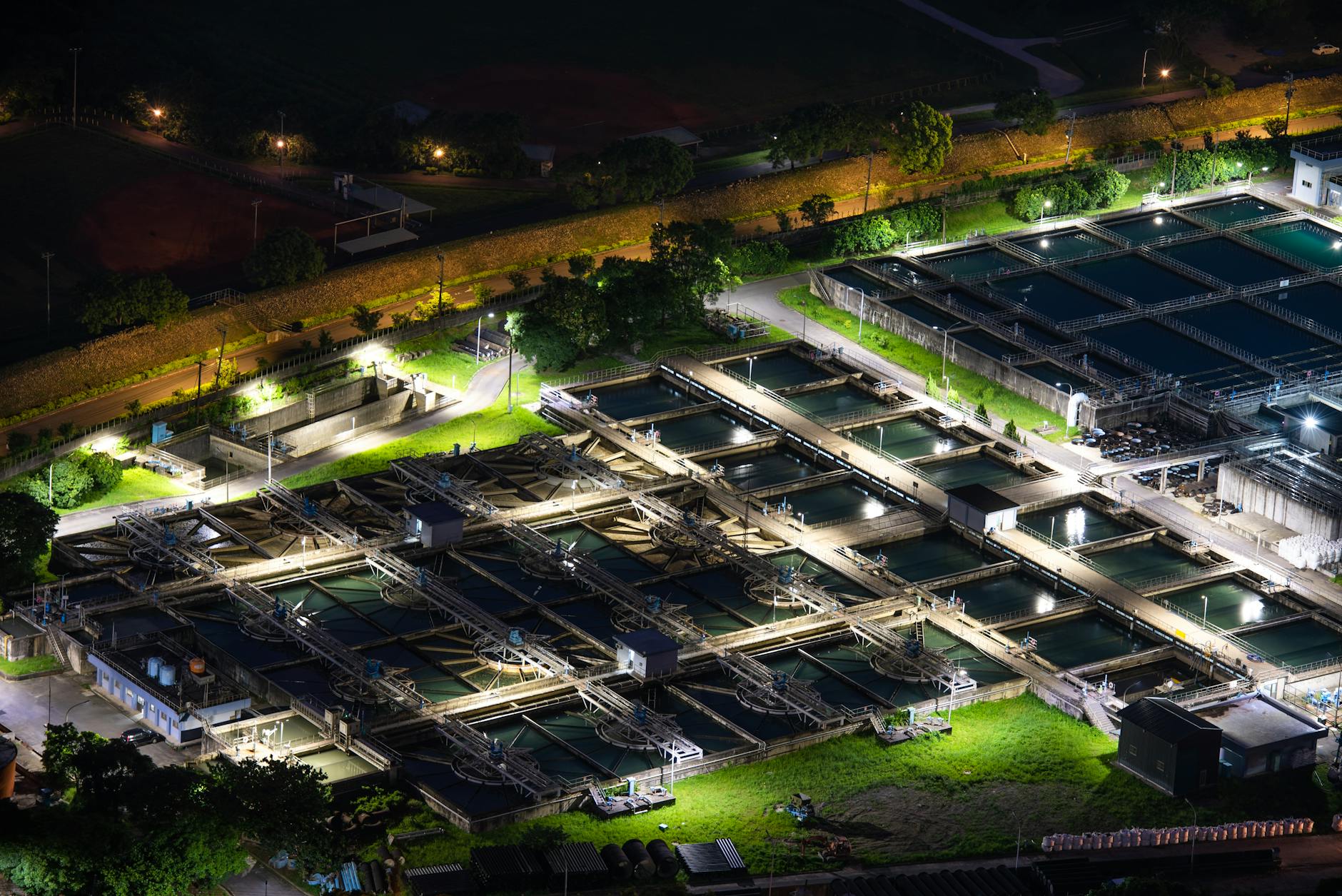
Federal Funding Drives Sector Growth
The Biden administration’s infrastructure package designated over $55 billion specifically for water and wastewater improvements, marking the largest federal investment in water systems in decades. This funding comes at a critical time, as the American Society of Civil Engineers estimates that water infrastructure needs approximately $2.2 trillion in investment over the next 25 years.
States are already beginning to deploy these federal dollars. California announced plans to allocate $2.7 billion toward water infrastructure projects, while Texas is investing heavily in drought-resistant water systems. These state-level commitments are translating directly into contract opportunities for publicly traded water utilities and infrastructure companies.
The regulatory environment is also becoming more favorable for utility rate increases. State public utility commissions are increasingly approving higher rates to fund necessary infrastructure improvements, particularly as aging systems face compliance challenges with federal clean water standards.
Technology Innovation Creates Investment Opportunities
Water utilities are embracing advanced technologies that promise both operational efficiency and environmental benefits. Smart meter installations are accelerating across the country, allowing utilities to better manage demand and reduce water loss through leak detection systems.
Advanced treatment technologies are becoming standard as utilities face stricter regulations on contaminants like PFAS chemicals and emerging pollutants. Companies specializing in membrane filtration, UV disinfection, and advanced oxidation processes are seeing increased demand from municipal clients.

Digital transformation is reshaping how utilities operate their networks. Artificial intelligence and machine learning applications help predict equipment failures and optimize chemical dosing at treatment plants. These technological improvements reduce operational costs while improving service reliability, making utilities more attractive to investors seeking steady returns.
The shift toward decentralized water treatment is creating opportunities for smaller-scale technology providers. Distributed systems that treat water closer to consumption points are gaining favor in areas with challenging geography or growing populations.
Climate Pressures Accelerate Investment
Water scarcity concerns are driving increased investment in alternative water sources and conservation technologies. The Western United States continues to face severe drought conditions, pushing utilities to invest in desalination plants, water recycling facilities, and aquifer storage systems.
Desalination projects are multiplying along coastal areas, with new plants planned in California, Florida, and Texas. While energy-intensive, these facilities provide drought-resistant water supplies that justify their higher costs in water-stressed regions.
Water recycling and reuse programs are expanding beyond traditional industrial applications. Potable reuse systems that turn treated wastewater into drinking water are gaining public acceptance, creating demand for advanced purification technologies.
Climate resilience planning is becoming a standard part of utility capital expenditure programs. Utilities are hardening their infrastructure against extreme weather events, investing in backup power systems, flood protection, and redundant treatment facilities.
Similar infrastructure investment themes are playing out across multiple sectors, as [defense contractor stocks rally amid increased military spending](https://finreporter.net/defense-contractor-stocks-rally-as-global-military-spending-increases/) and energy companies navigate changing demand patterns.
Investment Outlook and Market Dynamics
Water utility stocks are attracting attention from income-focused investors seeking reliable dividend yields in an uncertain economic environment. The sector’s defensive characteristics appeal to portfolio managers looking for stability amid market volatility.
Consolidation trends within the water utility industry are creating larger, more efficient operators with enhanced capital access. Smaller municipal systems are increasingly seeking partnerships with private utilities that can provide technical expertise and financial resources for infrastructure upgrades.

Private equity interest in water infrastructure assets is growing, with several funds raising capital specifically for water-related investments. This institutional interest is helping to validate the sector’s long-term growth prospects and providing additional capital for expansion projects.
The municipal bond market is also supporting water infrastructure investment, with water revenue bonds representing a significant portion of new municipal issuances. These financing mechanisms allow utilities to fund improvements while spreading costs over the useful life of new infrastructure.
The water utility sector appears positioned for sustained growth as demographic trends, regulatory requirements, and climate pressures converge to drive infrastructure investment. Investors seeking exposure to essential services with predictable cash flows are likely to find compelling opportunities in this historically stable sector.
Federal funding provides a multi-year foundation for growth, while technological advances promise to improve operational efficiency and environmental performance. As water scarcity becomes an increasingly pressing concern across diverse geographic regions, utilities that can effectively deploy capital to ensure reliable water supplies will likely reward patient investors with steady returns and dividend growth.
Frequently Asked Questions
Why are water utility stocks performing well?
Federal infrastructure spending and aging water systems requiring billions in upgrades are driving strong investment demand in the sector.
What technologies are water utilities investing in?
Smart meters, advanced treatment systems, AI optimization, and climate-resilient infrastructure are key technology investment areas.