





When a university shrinks, the town around it shrinks too – but the retailers absorb the blow first, and they absorb it alone.

The Enrollment Math Is Brutal for Main Street
Demographic headwinds have been building for years. The so-called “enrollment cliff” – driven by the declining birth rates of the early 2000s – is now arriving on campus rosters across the Midwest, rural New England, and parts of the South. Smaller regional universities are seeing incoming freshman classes drop by double digits in percentage terms, and community colleges that once served as enrollment safety nets are reporting their own population contractions. The pipeline that once reliably filled dormitories and lecture halls is running thin.
For retailers within walking distance of campus, the effect is almost mechanical. Fewer students means fewer bodies browsing the aisles of the campus-adjacent bookstore, fewer tables filled at the late-night pizza counter, fewer transactions at the clothing boutique that built its entire inventory around school colors and Greek-life events. A university town’s retail economy is not diversified – it is deliberately, structurally concentrated around a single consumer base. When that base contracts, there is no fallback.
The damage compounds across multiple spending categories simultaneously. Apparel shops lose their back-to-school surge. Coffee shops lose the all-day foot traffic that college schedules generate naturally. Bars and restaurants lose the Thursday-through-Sunday volume that distinguishes a university town from any other small city. Landlords, watching vacancy creep upward, are not always quick to lower rents – creating a painful gap between what retailers can afford and what they are being charged. As commercial rents continue to outpace realistic revenue in shrinking markets, the squeeze becomes existential rather than merely uncomfortable.
The timing makes the pressure worse. Many of these retailers expanded or locked in long-term leases during the enrollment growth years of the 2010s, when universities were aggressively recruiting and student populations were climbing. Those leases are now anchors. A shop owner who signed a five-year deal in 2019 based on a student population of 18,000 may be sitting in 2025 with a campus of 13,000 and a rent obligation that made sense under completely different conditions.
Who Survives and Who Closes First
The businesses that disappear earliest tend to be the ones most narrowly focused on student spending cycles. Campus bookstores – already hollowed out by Amazon and digital textbook platforms – cannot absorb both the digital disruption and a population drop at the same time. Independent operators who built their entire model around move-in weekend, homecoming, and finals week find that when those events shrink, the revenue that looked stable turns out to have been seasonal all along, just spread across an academic calendar that disguised the pattern.
Restaurants face a different kind of pressure. A dining establishment near campus depends not just on raw student numbers but on the behavioral rhythms of college life – the fact that students eat out constantly, have flexible schedules, and gather in groups. Graduate student populations, which tend to be more financially constrained and more likely to cook at home, do not replace undergraduates dollar for dollar. When universities cut programs to manage their own budget shortfalls, it is often graduate enrollment that contracts first, pulling out one of the dining sector’s quieter but consistent revenue streams.
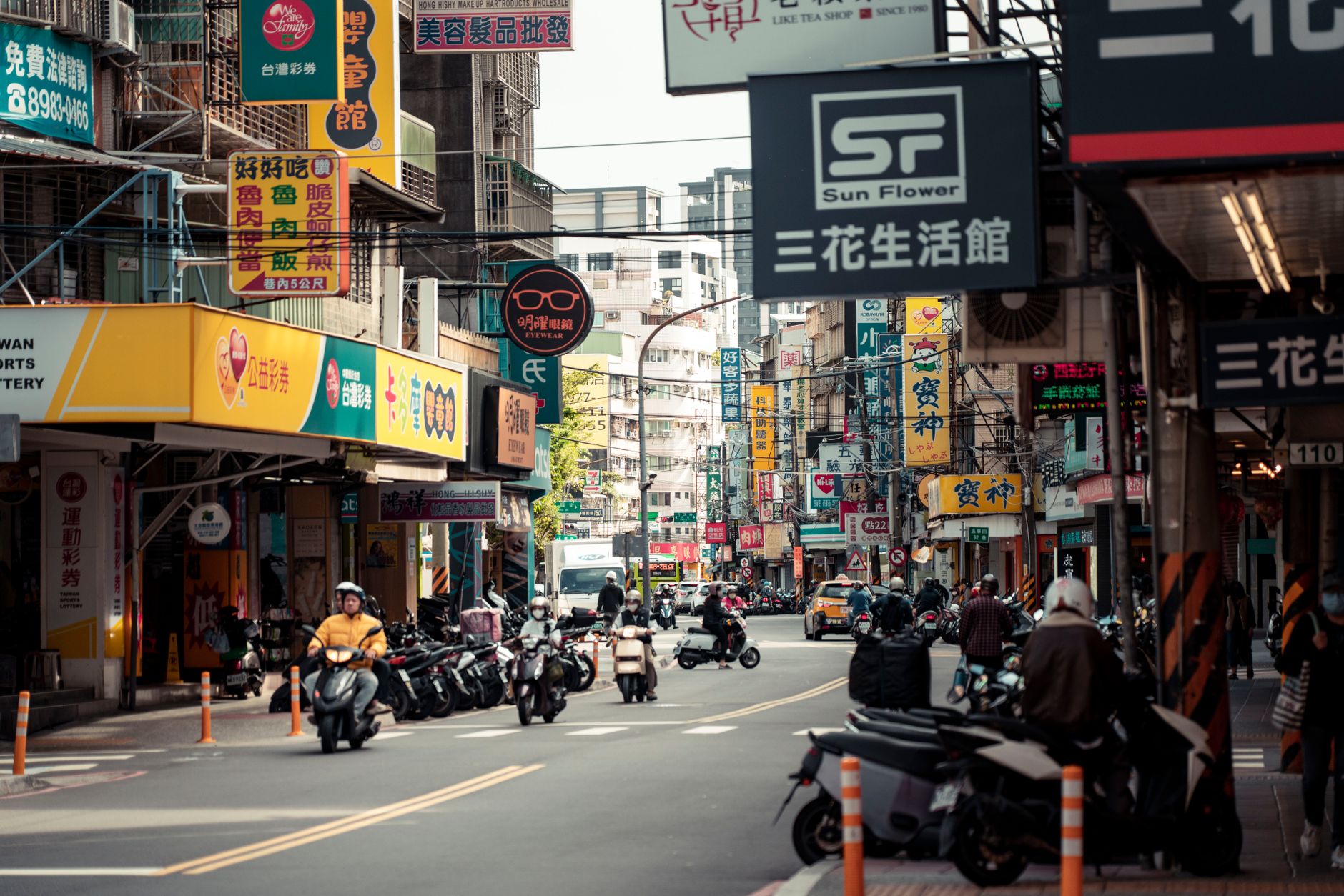
Service businesses – salons, gyms, copy shops, tailors – have a slightly longer runway because their customer relationships tend to be stickier. A student who finds a good barber near campus keeps going back. But stickiness only helps if the incoming class replenishes those relationships as older students graduate. In a declining enrollment environment, the attrition is not replaced, and the loyal customer base ages out of the market without anyone filling the seat.
Some retailers attempt to reorient toward the permanent local population – the faculty, the non-student town residents, the administrative staff. This sounds logical but rarely solves the revenue problem. Faculty and staff populations at universities are also contracting as institutions freeze hiring and cut departments. The permanent resident base of many college towns is itself dependent on university employment, which means the economic softness radiates outward through multiple layers simultaneously. A town where the university is struggling is, almost by definition, a town where the disposable income of the non-student population is also under pressure.
The businesses with the best survival odds are those that managed to build genuine dual audiences – retailers or restaurants that attracted both students and the wider regional population over years of consistent operation. But that kind of brand equity takes a decade to build and cannot be manufactured in a crisis. A shop that spent ten years serving only the campus crowd does not suddenly become a regional destination because enrollment dropped.
What Happens to the Storefronts
The physical consequence of retail contraction in college towns is visible and self-reinforcing. Empty storefronts reduce foot traffic for the businesses that remain open, which accelerates their own revenue decline. A two-block stretch that once had continuous retail activity becomes patchy, then sparse, then predominantly vacant – and at that point, even a healthy business in the middle of the block suffers because the pedestrian draw that made the location valuable has collapsed. Property owners who refuse to adjust rents end up with vacancies that generate zero income rather than reduced income, a calculation that takes longer than it should to force a correction.
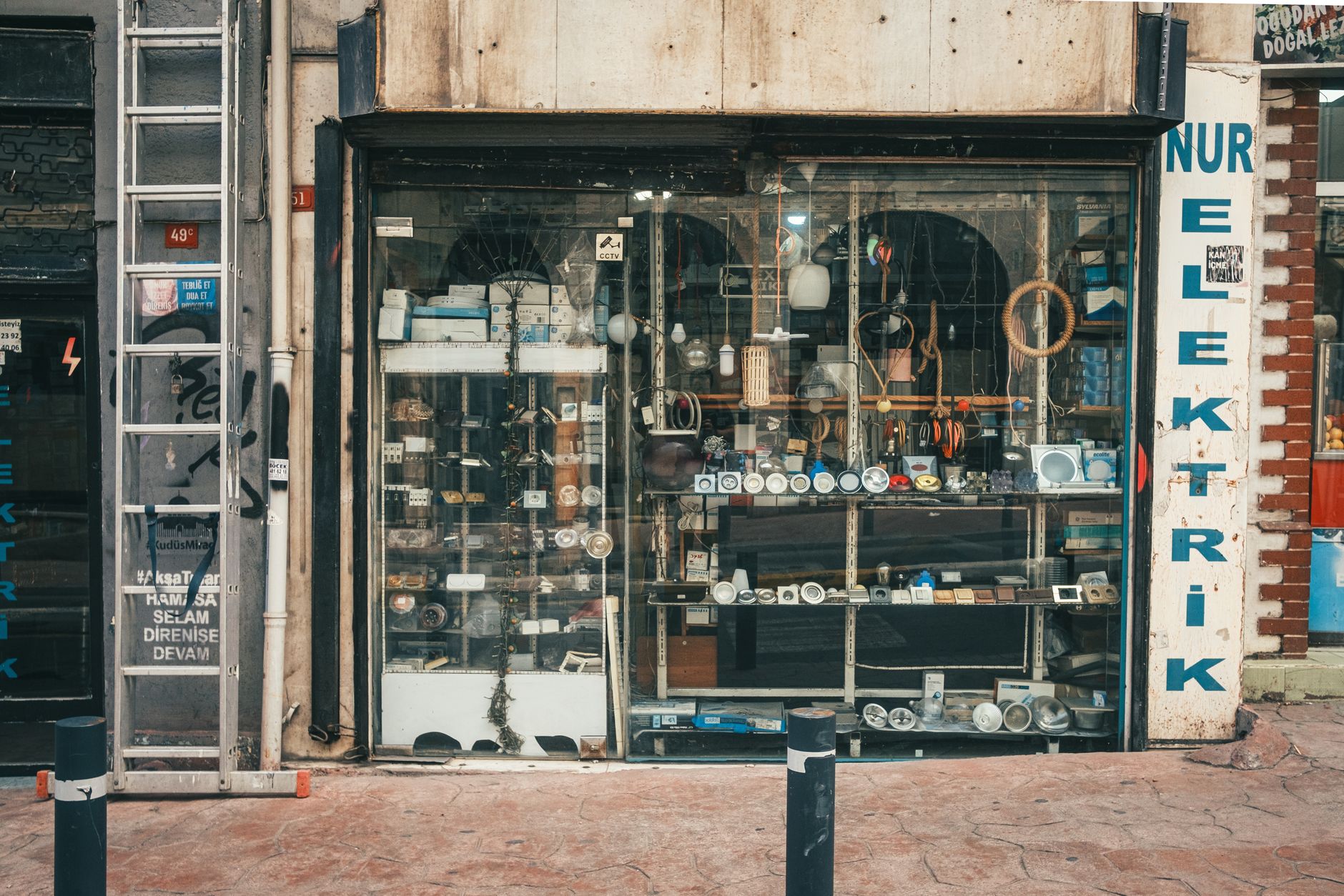
Universities are not passive observers in this process. Some institutions are actively working to attract remote workers and retirees to college towns as a way of building a more stable local economy that is less dependent on enrollment cycles. Others are converting underused academic real estate into community-facing retail or restaurant space, effectively competing with the private landlords who house the businesses being squeezed. Whether those strategies arrive in time to prevent a broader hollowing-out of college-town retail districts is a question that different communities will answer very differently – and the gap between institutions with endowments large enough to subsidize the transition and those without may turn out to be the most important variable in the story.