




Gold is the asset investors buy when they’re nervous. Copper is the one they buy when they expect things to get built. So when copper begins to outrun gold in percentage terms, the market is choosing between two stories about the future, and it is leaning toward the one with construction crews in it.
A clarification is needed, because the comparison is easy to misread. Gold is quoted per troy ounce and copper per pound or per metric ton, so one never literally “passes” the other on a price chart. The meaningful contest is about returns and momentum, and on that measure copper’s strength has become hard to ignore. Wall Street is treating the red metal less as a cyclical commodity and more as a way to own the buildout of the electric economy.

Why a Wiring Metal Is Beating the Safe Haven
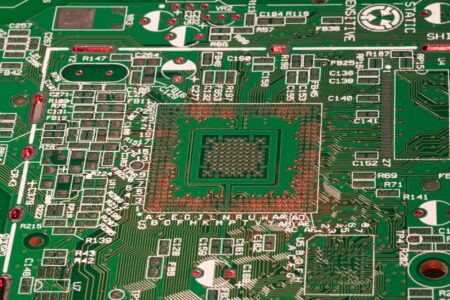
Electrification is a copper story before it is anything else. Copper conducts electricity better than almost any affordable material, which is why it runs through motors, transformers, charging stations, transmission lines and the cables inside every new building. A typical electric vehicle carries considerably more of it than a gasoline car. A wind or solar farm needs miles of it before it sends a single watt to anyone. Add the power-hungry data centers being built for artificial intelligence, and the demand picture stops looking like a normal economic cycle and starts looking like a standing order.
The supply side is what turns a good demand story into a price story. A new copper mine can take many years to move from discovery to production, and that is before permitting fights, water disputes and local politics. Ore grades at older mines have been drifting lower, which means producers must dig and process more rock to get the same amount of metal. Production is also concentrated in a handful of countries, so a strike, a drought or a policy change in one place can tighten the whole market. Demand can be switched on quickly by a government incentive or a corporate capital plan. Supply cannot.
Then there is the plumbing of modern investing. Copper exposure is no longer limited to futures traders and industrial buyers. Exchange-traded products, mining equities and thematic funds built around electrification give ordinary portfolios a direct route in, and each new route adds buyers to a market that is physically small compared with the flows now chasing it. When a thin market meets a broad new audience, prices move faster than the underlying fundamentals alone would justify. That works in both directions, which is the part many newcomers discover later.
Gold Has a Different Job
Gold doesn’t need a power grid to make sense.
Its price is driven by real interest rates, the dollar, central bank buying and fear, which makes it a hedge against things going wrong. Copper is a bet on things going right, or at least on things being built. When the two rise together, as they can, the market is expressing two views at once. When copper pulls ahead, it suggests that investors are willing to pay for growth exposure with a physical scarcity attached, rather than for insurance alone.
What the Trade Is Actually Pricing
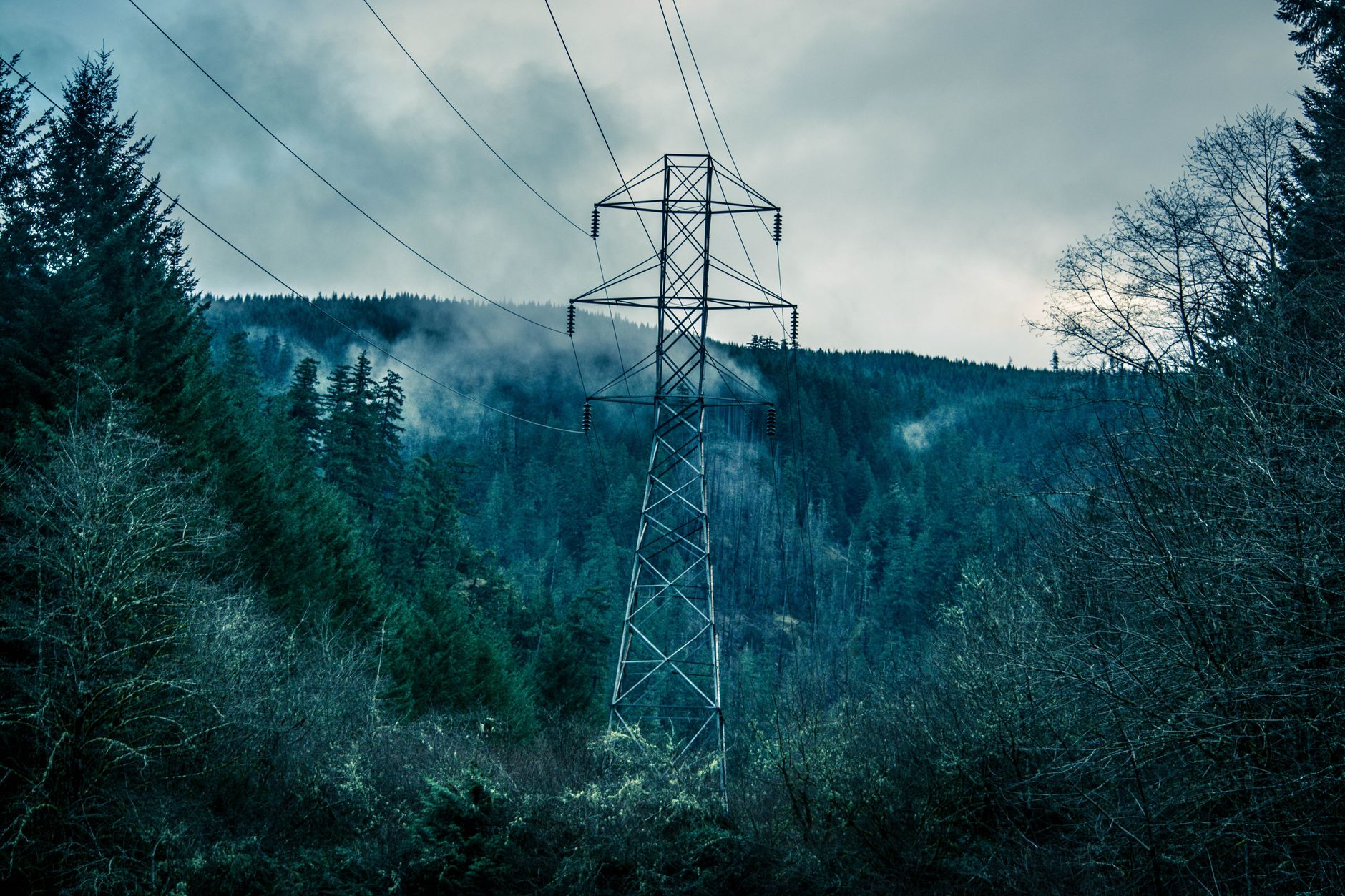
The copper rally is a wager on capital spending that stretches across decades. Utilities must replace aging grids and connect new generation. Automakers have committed to electric platforms, and technology companies are pouring money into server farms that run around the clock. None of this is a quarterly demand blip. If those plans hold even in part, copper buyers will be competing for a supply base that cannot expand on short notice. That is the logic behind the premium: investors are paying today for scarcity they expect to be obvious later.
The risks sit mostly on the demand side, and they are real. China remains the largest consumer of copper, and weakness in its property and manufacturing sectors can drag on prices regardless of what happens with electric vehicles. High prices also trigger their own response. Manufacturers look for aluminum substitutes where the engineering allows, recycling rates rise, and designers find ways to use less metal per unit. A rally built on shortage tends to plant the seeds of its own correction, because a high price is the most reliable signal to reduce consumption and open new mines.
Trade policy adds a layer of distortion that is easy to underestimate. Tariffs and the threat of them can pull metal into one country, widen the gap between prices in different markets and leave a headline number that reflects politics as much as supply and demand. Investors reading copper as a clean signal on electrification are reading a noisy instrument. Some of the move is the energy transition, some is financial positioning, and some is governments reshuffling where the physical metal sits.
That leaves the awkward question of what a copper-over-gold market actually says about risk. If it meant that investors had stopped worrying, gold would be struggling, and it isn’t. Both metals are being bought, one for protection and one for progress, often by the same portfolios. A market that wants insurance and expansion at the same time may be less confident than the copper chart suggests.