





A decade-long era of corporate stock repurchases is coming to an abrupt end. Companies that once funneled billions into buying back their own shares are now redirecting that capital toward research and development, debt reduction, and strategic acquisitions. This fundamental shift in capital allocation reflects changing market dynamics, regulatory pressures, and a new understanding of long-term value creation.
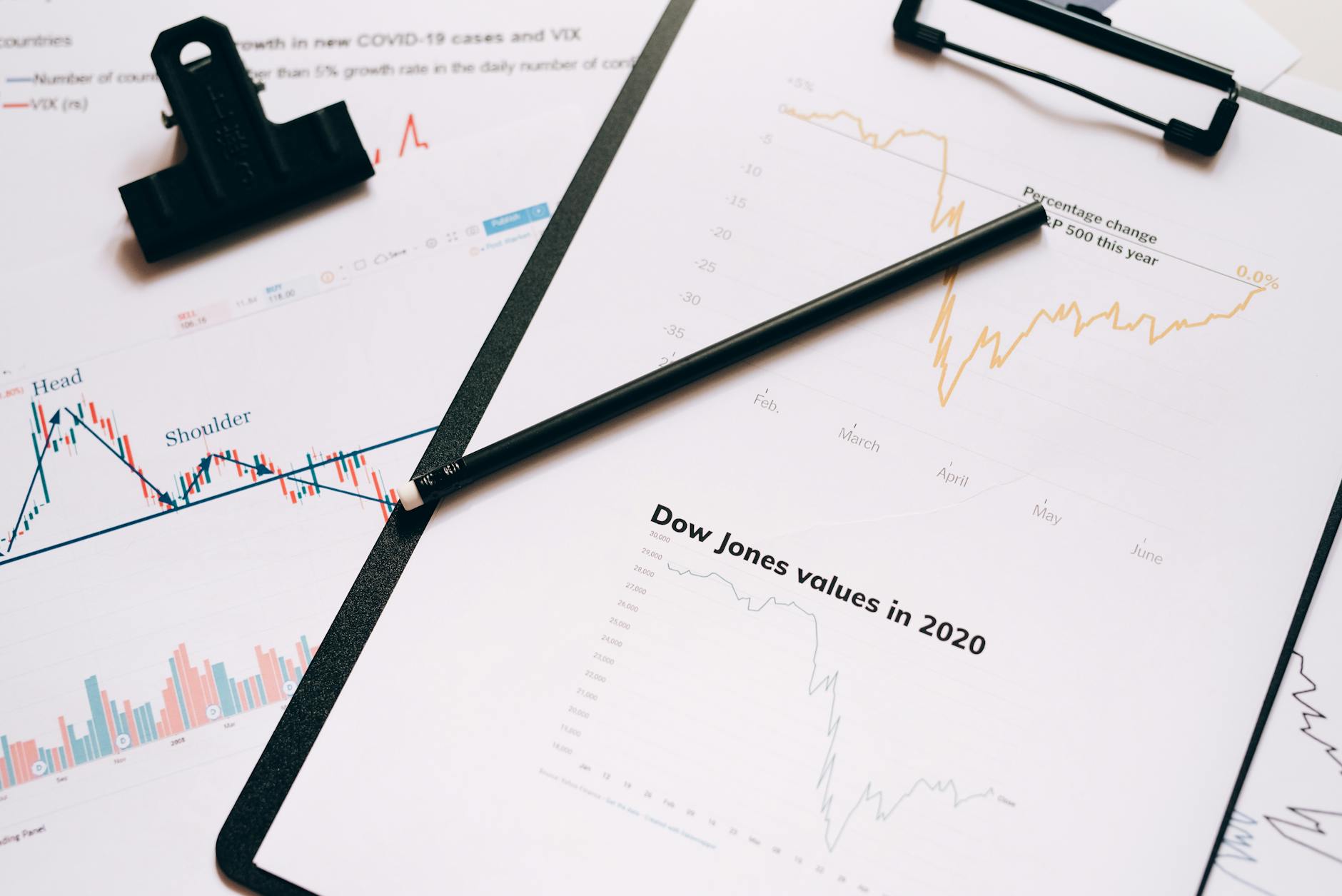
The numbers tell a striking story. S&P 500 companies spent over $800 billion on share buybacks in 2023, but preliminary data suggests 2024 could see the first significant decline in buyback activity since the financial crisis. Major corporations including Apple, Microsoft, and Berkshire Hathaway have already announced reductions in their repurchase programs, signaling a broader transformation in how America’s largest companies deploy their cash reserves.

Regulatory Headwinds Force Strategic Rethinking
The Biden administration’s 1% excise tax on stock buybacks, implemented in early 2023, marked the beginning of this shift. While seemingly modest, the tax has prompted corporate boards to scrutinize buyback programs more carefully. Treasury Secretary Janet Yellen’s repeated criticism of buybacks as “financial engineering” rather than productive investment has further intensified political pressure on corporate America.
Several state pension funds, including California’s CalPERS and New York State Common Retirement Fund, have begun voting against excessive buyback proposals at shareholder meetings. These influential institutional investors argue that companies should prioritize long-term growth investments over short-term share price manipulation. Their opposition carries significant weight, as public pension funds collectively manage over $4 trillion in assets.
The regulatory environment extends beyond federal policy. The Securities and Exchange Commission has proposed new disclosure requirements that would force companies to provide detailed justifications for buyback programs. Under the proposed rules, companies would need to explain how repurchases align with their business strategy and long-term value creation goals.
Economic Uncertainty Drives Capital Preservation
Rising interest rates and persistent inflation concerns have fundamentally altered corporate financial planning. Chief financial officers who once viewed cheap debt as an opportunity to fund buybacks now face borrowing costs not seen since before the 2008 financial crisis. This shift has made debt reduction and cash preservation more attractive than share repurchases.
Technology companies, historically the largest buyers of their own stock, are particularly affected by this change. Meta, Amazon, and Google’s parent company Alphabet have all reduced their buyback activity as they navigate slower revenue growth and increased competition. These companies are instead investing heavily in artificial intelligence capabilities and cloud infrastructure to maintain their competitive positions.
The geopolitical landscape adds another layer of complexity. Supply chain disruptions and trade tensions have forced companies to build more resilient operations, requiring substantial capital investments in domestic manufacturing and alternative sourcing arrangements. These strategic imperatives compete directly with buyback programs for available cash.
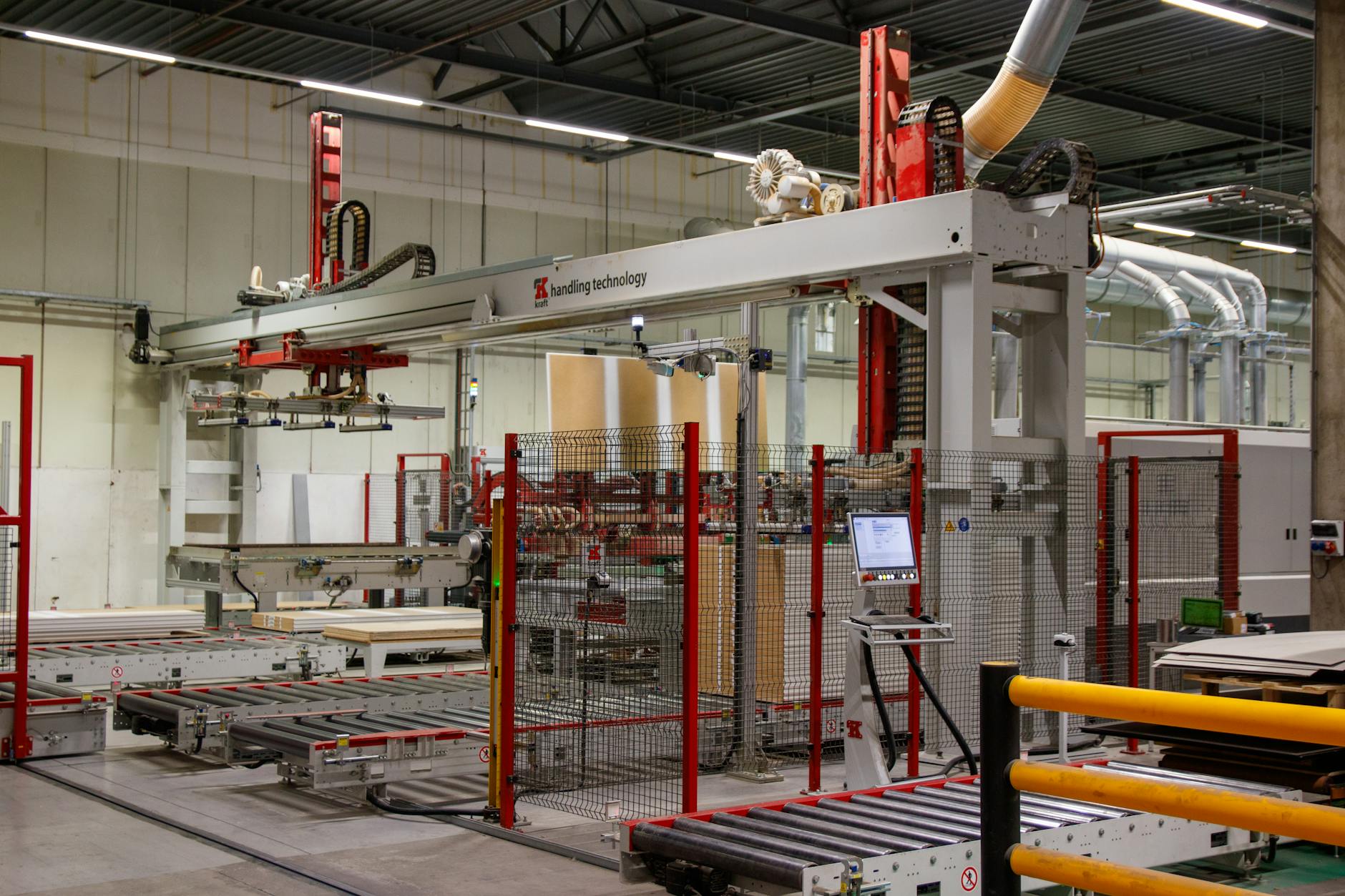
Manufacturing giants like General Electric and Ford have pivoted toward electric vehicle development and clean energy technologies, viewing these investments as essential for future competitiveness. The shift represents a fundamental change from the post-financial crisis era, when many established companies used buybacks as their primary method of returning capital to shareholders.
Shareholder Activism Embraces Long-Term Value
A new generation of activist investors is challenging the buyback-centric approach that dominated the 2010s. These investors, including Engine No. 1 and Jana Partners, advocate for strategic investments in research and development, employee training, and sustainable business practices rather than financial engineering.
Their influence extends beyond individual companies to shape broader market sentiment. When Engine No. 1 successfully installed three board members at ExxonMobil in 2021, it signaled a shift toward long-term value creation over short-term share price optimization. Similar campaigns at other major corporations have reinforced this trend.
Employee ownership programs are gaining traction as an alternative to traditional buybacks. Companies including Starbucks, Southwest Airlines, and Publix Super Markets have expanded stock ownership opportunities for workers, arguing that broad-based ownership creates better alignment between employee interests and company performance. These programs typically cost less than buyback initiatives while potentially generating stronger employee engagement.
The emergence of environmental, social, and governance investing has further pressured companies to demonstrate meaningful value creation beyond share price appreciation. ESG-focused funds now control over $30 trillion in global assets, giving them substantial influence over corporate capital allocation decisions.
Market Dynamics Favor Organic Growth Investments
The current market environment rewards companies that demonstrate clear paths to organic growth over those relying on financial engineering. Investors increasingly value revenue expansion, market share gains, and technological innovation more highly than earnings per share improvements achieved through buybacks.
Pharmaceutical companies exemplify this shift. Pfizer, Johnson & Johnson, and Merck have all reduced buyback activity while increasing research and development spending. The success of COVID-19 vaccines and treatments demonstrated the value of sustained innovation investment, encouraging these companies to prioritize drug development over share repurchases.
As global markets face continued volatility, [emerging market currency fluctuations](https://finreporter.net/emerging-market-currency-volatility-creates-new-trading-opportunities/) create both challenges and opportunities that require companies to maintain financial flexibility. Cash previously earmarked for buybacks now serves as a strategic reserve for navigating uncertain economic conditions.
The infrastructure sector presents particularly compelling investment opportunities as governments worldwide commit to rebuilding aging systems. Companies with strong balance sheets can capitalize on these trends, but doing so requires preserving capital rather than distributing it through buybacks.
The Future of Corporate Capital Allocation
This fundamental shift in corporate behavior suggests a permanent change in how American companies think about capital allocation. The era of using cheap debt to fund massive buyback programs appears to be ending, replaced by a more strategic approach focused on long-term competitiveness.
Companies that adapt quickly to this new environment will likely outperform those clinging to outdated financial strategies. The winners will be organizations that can demonstrate clear value creation through innovation, market expansion, and operational excellence rather than financial engineering.
The transformation reflects broader changes in American capitalism, with stakeholders demanding more from corporate leadership than quarterly earnings beats. As this trend continues, investors should expect to see more companies following Apple’s recent example of combining modest buybacks with substantial investments in new product development and manufacturing capabilities.
The shift away from stock buybacks represents more than a change in financial strategy – it signals a fundamental rethinking of corporate purpose in the modern economy. Companies that embrace this transition while maintaining strong shareholder returns will likely define the next decade of American business leadership.
Frequently Asked Questions
Why are companies reducing stock buybacks?
Companies face regulatory pressure, higher interest rates, and investor demands for long-term value creation over financial engineering.
What are companies doing instead of buybacks?
Companies are investing in R&D, reducing debt, acquiring strategic assets, and building more resilient operations.