





Currency traders are witnessing the most dramatic emerging market volatility in over a decade, creating both unprecedented risks and lucrative opportunities across developing economies. From the Turkish lira’s wild swings to the Argentine peso’s persistent weakness, currency fluctuations that once seemed predictable have transformed into high-stakes trading battlegrounds where fortunes are made and lost within hours.
The surge in volatility stems from a perfect storm of factors: aggressive monetary policy shifts by major central banks, geopolitical tensions disrupting supply chains, and commodity price swings that disproportionately impact resource-dependent economies. While institutional investors traditionally viewed emerging market currencies as peripheral plays, these dramatic price movements have elevated them to center stage in global trading strategies.
Central Bank Policy Divergence Fuels Currency Chaos
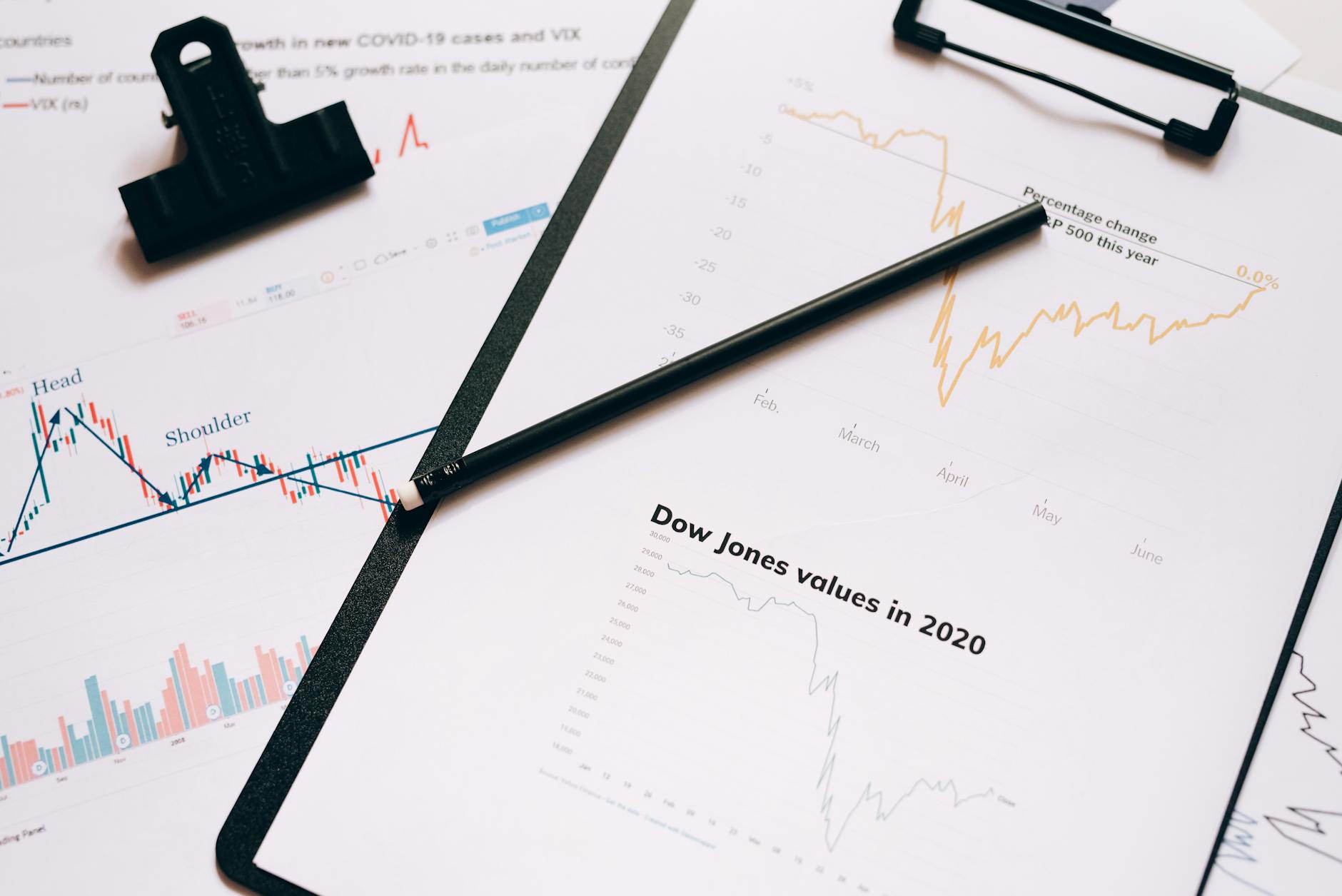
The Federal Reserve’s monetary policy stance has created a ripple effect across emerging markets, with currency values swinging wildly as investors reassess risk premiums. When the Fed signals rate changes, capital flows shift rapidly between developed and emerging markets, creating volatility that sophisticated traders are learning to exploit.
Brazil’s real exemplifies this dynamic volatility. The currency has experienced intraday swings exceeding three percent on multiple occasions this year, driven by changing expectations around both U.S. monetary policy and Brazil’s own central bank decisions. These dramatic moves create arbitrage opportunities that didn’t exist during previous periods of stability.
Turkey presents an even more extreme case study. The lira’s volatility has reached levels that make it attractive to high-frequency traders and hedge funds specializing in momentum strategies. Traditional carry trades have given way to more sophisticated approaches that capitalize on short-term price dislocations rather than long-term interest rate differentials.
South African traders report similar patterns with the rand, where currency moves that previously took weeks now occur within single trading sessions. This compression of volatility into shorter timeframes has attracted algorithmic trading firms that can execute thousands of micro-trades to capture small price movements.
Commodity Price Correlations Create New Strategy Frameworks
Currency volatility increasingly correlates with commodity price movements, creating opportunities for traders who understand these relationships. The Chilean peso’s tight correlation with copper prices, or the Russian ruble’s sensitivity to energy markets, offers predictable trading patterns during periods of commodity volatility.
Sophisticated trading operations now employ multi-asset strategies that simultaneously trade currencies, commodities, and related equities. When oil prices spike, traders position themselves not just in energy futures but also in currency pairs involving major oil exporters like Mexico, Colombia, and Nigeria.
Agricultural commodity relationships present similar opportunities. Currency movements in countries like Argentina and Ukraine often precede or follow grain price changes, creating windows for profitable trades. Professional traders track harvest forecasts, weather patterns, and export data to anticipate currency moves before they fully materialize in foreign exchange markets.
The emergence of cryptocurrency trading has also influenced traditional emerging market currency strategies. Some traders use digital assets as intermediary vehicles for currency trades, particularly in countries with capital controls or limited banking infrastructure. This creates additional volatility and arbitrage opportunities across multiple asset classes simultaneously.
Technology and Access Transform Retail Participation
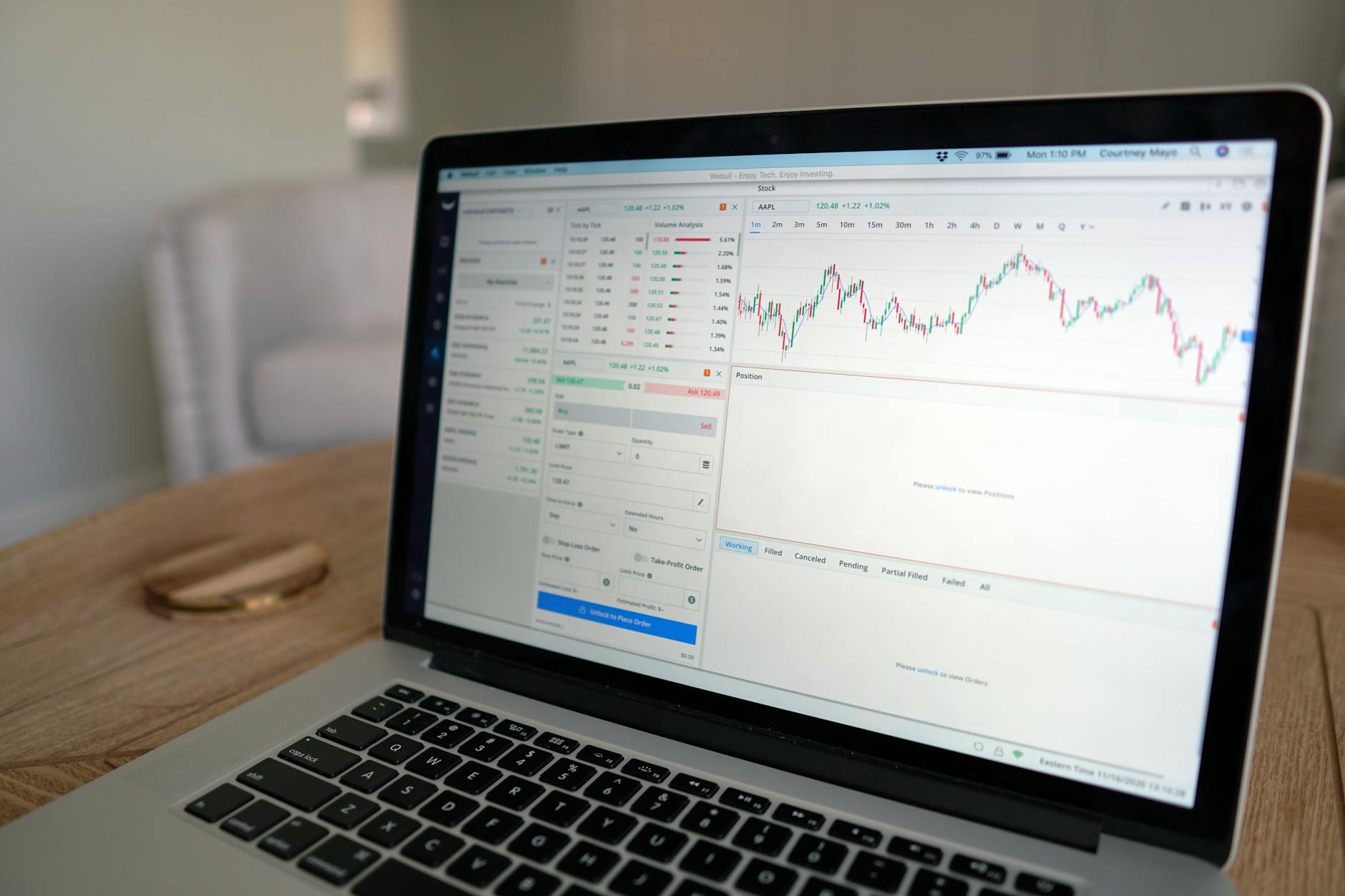
Retail traders now access emerging market currencies through platforms that were previously exclusive to institutional investors. Advanced trading applications offer real-time news feeds, economic calendars, and technical analysis tools specifically designed for currency volatility trading.
Social trading platforms allow individual investors to follow successful emerging market currency traders, democratizing access to strategies that historically required significant capital and expertise. This increased retail participation adds another layer of volatility as smaller traders react more emotionally to news events and market moves.
Mobile trading applications have made it possible to trade emerging market currencies from anywhere, creating a global network of traders operating across different time zones. This continuous trading activity amplifies volatility as markets that previously had quiet periods now experience round-the-clock price discovery.
Risk management tools have also evolved to help traders navigate increased volatility. Stop-loss orders, position sizing calculators, and correlation analysis features help both professional and retail traders manage the heightened risks associated with volatile emerging market currencies.
Infrastructure Challenges Create Additional Opportunities
Currency trading infrastructure varies significantly across emerging markets, creating price discrepancies that skilled traders can exploit. Countries with less sophisticated financial systems often exhibit wider bid-ask spreads and slower price adjustments to news events.
Settlement and clearing differences between markets create temporary arbitrage opportunities for traders with access to multiple trading venues. Understanding the technical aspects of currency settlement in different countries becomes as important as analyzing economic fundamentals.

Risk Management in High Volatility Environments
Successful emerging market currency trading requires sophisticated risk management approaches that go beyond traditional stop-loss orders. Volatility-adjusted position sizing, correlation analysis, and scenario planning have become essential tools for navigating unpredictable price movements.
Professional traders employ dynamic hedging strategies that adjust automatically as volatility levels change. These systems can reduce position sizes when volatility spikes or increase exposure when profitable patterns emerge. Such approaches help maintain consistent returns despite wildly fluctuating market conditions.
The interconnected nature of global markets means that currency volatility can spread rapidly from one emerging market to another. Traders monitor contagion risks carefully, understanding that a crisis in one country can quickly affect currencies across entire regions. This awareness has become crucial for managing portfolio-wide risk exposure.
As central banks worldwide continue navigating post-pandemic monetary policies and geopolitical tensions reshape global trade relationships, emerging market currency volatility shows no signs of diminishing. The traders and institutions that master these chaotic conditions today are positioning themselves for sustained profitability in an increasingly unpredictable financial landscape. Those who adapt their strategies to capitalize on volatility rather than simply endure it will likely find the greatest opportunities in the months ahead.
Frequently Asked Questions
What causes emerging market currency volatility?
Central bank policy changes, commodity price swings, and geopolitical tensions create rapid capital flow shifts that drive currency volatility.
How can traders profit from currency volatility?
Through sophisticated strategies including momentum trading, commodity correlations, arbitrage opportunities, and volatility-adjusted position sizing.